
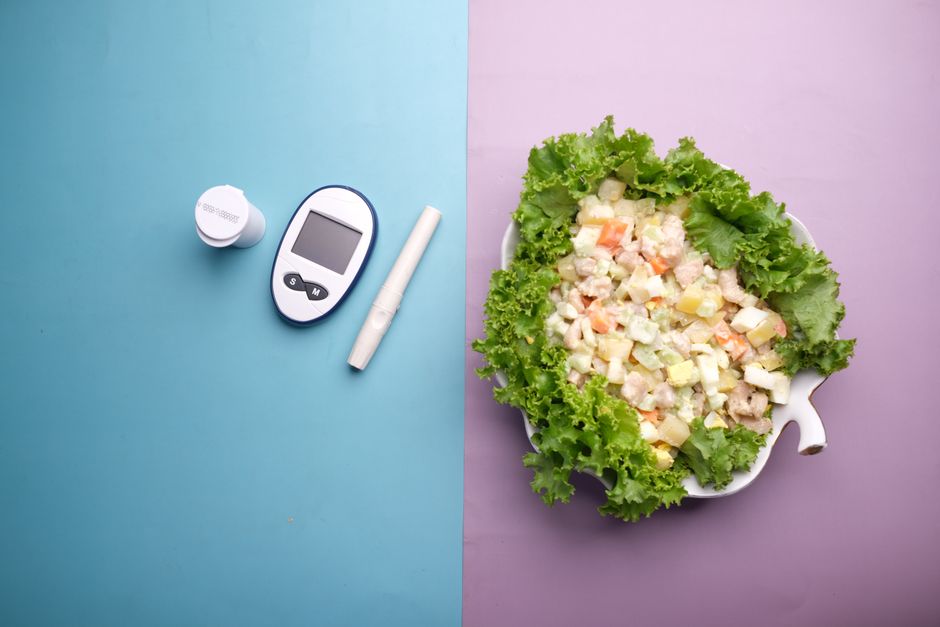
No food lowers blood sugar overnight in any meaningful way. That is the honest starting point, and it matters because a lot of content on this topic implies otherwise. Blood sugar falls overnight mainly because of hormones and because you are not eating, not because of a specific bedtime snack. Certain foods eaten in the evening can help keep glucose steadier through the night, but “steady” is not the same as “lower.”
What foods can do is blunt the rise after your last meal, slow how fast glucose enters the bloodstream, and reduce the chance of a dip in the early morning hours. The effect is modest and it depends heavily on what you ate all day, how much you ate, and how your body handles insulin.
What Actually Happens to Blood Sugar Overnight?
Blood sugar does not stay flat while you sleep. It moves, and it moves in ways that are largely outside your control.
In the first few hours after your last meal, glucose from that meal is still being absorbed and used. As the night goes on, the liver releases stored glucose to keep your brain and other organs supplied. This is normal and it happens in everyone, with or without diabetes.
Two things push glucose up in the early morning. One is the dawn phenomenon, where a natural surge of hormones including cortisol and growth hormone increases insulin resistance and triggers liver glucose release, usually somewhere between roughly 3 a.m. and 8 a.m. The other is the Somogyi effect, where glucose drops too low during the night and the body rebounds with a surge of glucose. The two look similar on a morning reading but have opposite causes, which is why overnight glucose monitoring matters if you are trying to sort out which one you are dealing with.
This is the key point that most food lists skip. If your morning number is high, the cause may be a hormone surge or a rebound from a low, not the food you ate at 8 p.m. Changing your snack will not fix a hormonal pattern, and it may not fix a rebound either.
What Foods Lower Blood Sugar Overnight?
Nothing lowers blood sugar overnight the way a medication does. What some foods can do is slow glucose absorption and support steadier levels through the night, which is a different and more modest goal.
Foods that tend to produce a gentler glucose response share a few traits. They are low in quickly digested carbohydrate, they contain protein, fat, or fiber that slows stomach emptying, and they are eaten in small amounts. A large portion of any of them can undo the benefit.
Foods that some evidence suggests may help with overnight glucose stability include:
- Nuts, especially almonds and walnuts, which combine protein, fat, and fiber with very little carbohydrate
- Plain Greek yogurt, which is high in protein and low in sugar if unsweetened
- Cottage cheese, similar in protein profile
- Hard-boiled eggs, which contain almost no carbohydrate
- Hummus with raw vegetables, which pairs fiber with protein and fat
- Chia seeds, which are high in soluble fiber and form a gel that slows digestion
- A small amount of avocado, which is mostly fat and fiber
These are reasonable choices, but be careful about the framing. A bedtime snack does not “lower” glucose. It changes the shape of the glucose curve. For some people that means fewer spikes. For others it means a slightly higher reading at 3 a.m. than they would have had otherwise.
Why Timing and Portion Matter More Than the Food Itself
When you eat matters as much as what you eat. A snack at 7 p.m. and the same snack at 10 p.m. will not behave the same way in your body.
Eating close to bedtime means glucose from that food is still being absorbed when you lie down. For people with diabetes, that can mean a higher overnight reading. For people without diabetes, it usually means little, because the body handles the load efficiently.
Portion size is the other lever. A handful of almonds is roughly a small amount of carbohydrate. A whole bag is not. The difference is not subtle.
There is also a real risk that gets overlooked. If you take insulin or a sulfonylurea, adding a bedtime snack changes your overnight glucose pattern, and that can affect your risk of a low. This is not a decision to make on your own. Talk to your clinician before changing your evening eating pattern if you are on glucose-lowering medication.



What About Foods People Claim Lower Morning Blood Sugar?
A few specific foods come up again and again in claims about overnight blood sugar. Here is where the evidence actually sits.
Apple cider vinegar. Some small studies have found that vinegar taken with a meal can blunt the post-meal glucose rise. The effect is modest, the studies are small, and results vary. There is no strong evidence that vinegar taken at bedtime lowers morning glucose. It is also not risk-free; it can irritate the esophagus and it interacts with some medications, including insulin and diuretics.
Cinnamon. Research on cinnamon and blood glucose is mixed. Some studies show small improvements in fasting glucose; others show none. The evidence does not support cinnamon as a reliable way to lower overnight glucose, and large doses of cassia cinnamon can be hard on the liver over time.
Bitter melon, fenugreek, and berberine. These have some preliminary research behind them, mostly small trials, and the results are inconsistent. Berberine in particular can interact with several medications and is not appropriate for everyone. None of these has been established as a dependable overnight glucose tool.
Alcohol. This one deserves a direct warning. Alcohol can lower blood sugar for hours after drinking because it blocks the liver from releasing glucose. That sounds like a benefit. It is not. It raises the risk of a dangerous low overnight, particularly for people on insulin or sulfonylureas. It is one of the more common causes of nighttime hypoglycemia in people with diabetes.
How to Build an Evening Meal That Supports Steadier Overnight Glucose
The evening meal matters more than any single bedtime snack. Get the meal right and the snack question often becomes less important.
Three things shape the glucose response to a meal: the total amount of carbohydrate, the type of carbohydrate, and what else is on the plate alongside it.
Carbohydrates that digest slowly, such as beans, lentils, whole grains, and most vegetables, produce a gentler rise than refined starches and sugars. Pairing carbohydrate with protein, fat, and fiber slows stomach emptying and flattens the curve further. This is well established in nutrition research.
A practical pattern looks like this:
- Fill roughly half the plate with non-starchy vegetables
- Add a palm-sized portion of protein
- Keep starchy carbohydrate to about a quarter of the plate, choosing whole grains or legumes when possible
- Include a source of fat, such as olive oil or nuts
- Eat at least two to three hours before bed when you can
For people with type 2 diabetes, this general pattern is consistent with what most clinical guidance recommends. The specifics, including whether you need a bedtime snack at all, depend on your medications, your activity level, and your individual glucose patterns.
Do You Even Need a Bedtime Snack?
For many people, no. This is one of the more useful things to understand about the topic.
The idea that everyone needs a bedtime snack to protect against overnight lows is not supported. In people without diabetes, overnight glucose is well regulated without any intervention. In people with type 2 diabetes who are not on insulin or a sulfonylurea, a bedtime snack is usually not necessary and can push morning glucose higher.
A bedtime snack is most likely to be useful for people on insulin or a sulfonylurea who are at risk of overnight lows, people who exercised heavily in the evening, and people who consistently wake with low glucose. Even then, the decision should come from your clinician and your own glucose data, not from a general rule.
If you are trying to understand your overnight pattern, a continuous glucose monitor gives far more useful information than any food list. It shows you what your glucose actually did at 2 a.m. and 4 a.m., which is the only way to know whether your evening choices are helping.
What Does Not Work
A few approaches do not hold up.
Eating a large meal late at night and expecting a specific food to counteract it does not work. The total carbohydrate load drives the glucose response more than any single ingredient.
Drinking juice or a sugary drink before bed to “stabilize” glucose is a common mistake. It raises glucose quickly and then drops it, which is the opposite of stable.
Taking a supplement marketed for blood sugar without telling your clinician is a real risk. Several of these interact with diabetes medications, and some can cause lows when combined with them.
Finally, skipping dinner entirely to lower morning glucose often backfires. Going many hours without food can trigger a stronger liver glucose release overnight, and morning readings can end up higher, not lower.
When to Talk to a Clinician
If your morning glucose is consistently higher than your target, that is worth a conversation. The cause could be the dawn phenomenon, a rebound low, your evening meal, your medication timing, or something else entirely. These have different fixes.
Seek medical care promptly if you experience confusion, sweating, shakiness, or a racing heart during the night, or if you wake with a severe headache. These can signal a low that needs attention.
Do not adjust insulin or other glucose-lowering medication based on what you read about food. Those changes need clinical guidance.
Frequently Asked Questions
What foods lower blood sugar overnight?
No food lowers blood sugar overnight in a direct way. Small portions of protein- and fat-rich foods like nuts, plain Greek yogurt, or eggs may help keep glucose steadier, but they do not lower it.
Does apple cider vinegar lower morning blood sugar?
The evidence does not support vinegar taken at bedtime as a way to lower morning glucose. Some small studies suggest vinegar with a meal can slightly blunt the post-meal rise, but results vary and the effect is modest.
Should I eat a snack before bed to control blood sugar?
Most people do not need one, and it can raise morning glucose for some. A bedtime snack is mainly useful for people on insulin or a sulfonylurea who are at risk of overnight lows, and that decision should come from your clinician.
Why is my blood sugar high in the morning when I did not eat?
The most common reason is the dawn phenomenon, a natural early-morning hormone surge that raises glucose. A rebound from an overnight low can look the same on a morning reading but has the opposite cause, so overnight monitoring is often needed to tell them apart.
