
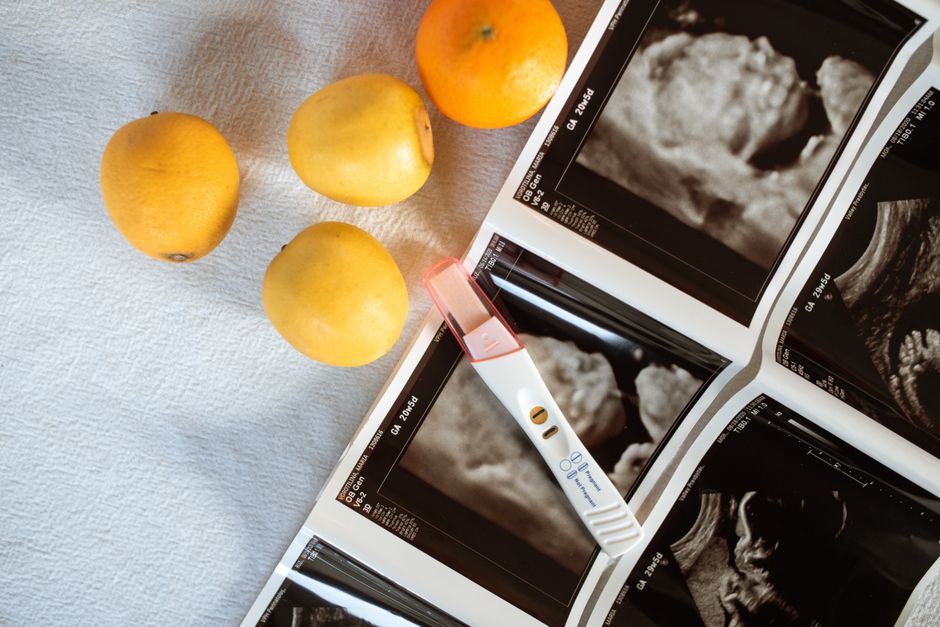
When you are trying to conceive, the foods you eat can influence hormone balance, egg quality, and the health of the uterine lining. No single food guarantees pregnancy, but a diet rich in specific nutrients—like folate, iron, omega-3 fatty acids, and antioxidants—supports the biological processes that make conception possible. Research consistently shows that a Mediterranean-style dietary pattern is associated with better fertility outcomes compared to highly processed diets.
What Foods Help With Fertility When Trying To Conceive?
The most helpful foods are those that provide steady nutrients rather than quick blood sugar spikes. Whole grains, legumes, nuts, seeds, fruits, vegetables, and fatty fish form the core of a fertility-supporting diet. These foods supply the vitamins and minerals that regulate ovulation and support early embryo development.
One of the most important patterns is replacing refined carbohydrates with whole-food sources. White bread, sugary cereals, and pastries cause rapid rises in blood sugar and insulin. High insulin levels can disrupt ovulation in some women. Swapping these for oats, brown rice, quinoa, and lentils keeps blood sugar stable and supports regular cycles.
How Do Antioxidants Affect Egg and Sperm Health?
Antioxidants protect cells from oxidative stress. Both eggs and sperm are vulnerable to damage from free radicals—unstable molecules that can harm DNA. Antioxidants neutralize these molecules, potentially improving the quality of both the egg and the sperm.
Berries, dark leafy greens, walnuts, and colorful vegetables are rich in antioxidants like vitamin C, vitamin E, and selenium. Some research suggests that antioxidant-rich diets are linked to higher pregnancy rates, though large clinical trials are limited. The evidence is strongest for overall dietary patterns rather than individual supplements.
One non-obvious point: the antioxidant benefits come from eating the whole food, not from concentrated extracts. A handful of blueberries or a serving of spinach delivers a combination of compounds that work together. Isolated antioxidant supplements have not shown the same consistent benefit in studies.
Why Are Healthy Fats Important for Conception?
Fats are building blocks for hormones. Estrogen and progesterone, the two hormones that control the menstrual cycle, are synthesized from cholesterol and fatty acids. Getting enough of the right fats supports this process.
Unsaturated fats—found in olive oil, avocados, nuts, and seeds—are associated with better fertility outcomes. Omega-3 fatty acids, particularly DHA and EPA found in fatty fish like salmon and sardines, also play a role in reducing inflammation. Chronic inflammation can interfere with ovulation and implantation.
Trans fats are the exception. These artificially hydrogenated fats, found in many processed baked goods and fried foods, have been linked to ovulatory infertility in observational studies. Avoiding trans fats is one of the clearest dietary changes you can make when trying to conceive.

What Role Does Folate Play Before Pregnancy?
Folate is a B vitamin that supports cell division and DNA synthesis. During early pregnancy, the neural tube—which becomes the brain and spinal cord—develops in the first few weeks, often before a woman knows she is pregnant. Adequate folate reduces the risk of neural tube defects.
Food sources include dark leafy greens, broccoli, Brussels sprouts, beans, and citrus fruits. Many grains are also fortified with folic acid, the synthetic form. Clinical guidelines recommend that all women who may become pregnant take a daily folic acid supplement of 400 to 800 micrograms, in addition to eating folate-rich foods. This is one of the few supplements with clear, evidence-based support for conception and early pregnancy.
Can Iron-Rich Foods Improve Fertility?
Iron deficiency is common among women of reproductive age, partly due to menstrual blood loss. Low iron stores can impair ovulation and may be linked to ovulatory infertility.
Heme iron, found in animal sources like lean beef, poultry, and fish, is absorbed more efficiently than non-heme iron from plants. Plant sources include lentils, spinach, tofu, and fortified cereals. Pairing plant iron with vitamin C—like adding tomatoes to a lentil soup—improves absorption.
Some research suggests that moderate iron intake from food sources is associated with a lower risk of ovulatory infertility. However, iron supplements should not be taken without knowing your iron status. Excess iron can be harmful. A simple blood test from your doctor can tell you whether you need supplementation.
Which Foods Should Be Limited or Avoided?
Some foods are worth reducing while trying to conceive. High-mercury fish like shark, swordfish, king mackerel, and tilefish should be avoided because mercury can harm fetal development if you become pregnant. Low-mercury options like salmon, shrimp, and canned light tuna are safe in moderation.
Excess caffeine is another consideration. Research on caffeine and fertility is mixed, but many clinicians suggest limiting intake to about 200 milligrams per day—roughly one 12-ounce cup of coffee. Some studies link very high caffeine intake to delayed conception, though the evidence is not conclusive.
Alcohol is more clearly associated with reduced fertility. Even moderate drinking may affect hormone levels and ovulation. Many fertility specialists recommend avoiding alcohol entirely while trying to conceive, since no safe level during early pregnancy has been established.
Does Body Weight Affect Fertility and Food Choices?
Body weight has a direct effect on hormone balance. Both underweight and overweight women may experience irregular ovulation. Fat tissue produces estrogen, so excess body fat can disrupt the feedback loop that controls the menstrual cycle. Very low body fat can also suppress ovulation entirely.
Food choices support a healthy weight, but the goal is not extreme dieting. Restrictive diets can stress the body and disrupt cycles. Instead, focus on consistent, balanced meals that include protein, fiber, and healthy fats. Even modest weight changes—around 5 to 10 percent of body weight—can restore regular ovulation in women who are overweight.
Are There Specific Fertility Diets That Work?
The term “fertility diet” was popularized by research from the Nurses’ Health Study, which identified dietary patterns associated with lower ovulatory infertility risk. The pattern included more monounsaturated fats, plant protein, whole grains, and high-fat dairy, while reducing trans fats, refined carbs, and sugary drinks.
It is important to be clear: this research shows associations, not proof that this diet causes pregnancy. No diet has been proven to guarantee conception. What the evidence does support is that a nutrient-dense, anti-inflammatory eating pattern improves overall health and may improve the odds for couples who are trying to conceive.
The Mediterranean diet is the closest thing to a consensus recommendation. It emphasizes vegetables, fruits, whole grains, legumes, nuts, olive oil, and fish, with limited red meat and processed foods. Multiple observational studies link this pattern to better fertility outcomes in both women and men.
Do Male Fertility Foods Matter?
Male fertility is often overlooked, but sperm quality depends on nutrition too. Sperm are produced continuously, and their development takes about 64 days. Dietary improvements made two to three months before attempting conception can influence sperm health.
Zinc is important for sperm production and is found in oysters, beef, pumpkin seeds, and lentils. Selenium supports sperm motility and is found in Brazil nuts, tuna, and eggs. Antioxidants like vitamin C and coenzyme Q10 may protect sperm DNA from oxidative damage.
One practical note: a single Brazil nut provides more than the daily requirement for selenium. Eating one or two per day is enough. More is not better—excess selenium can be toxic.
How Quickly Can Diet Changes Help?
Egg quality is influenced by the months leading up to ovulation. The follicle that releases an egg begins developing about 90 days before ovulation. Sperm take about 64 days to develop. This means dietary changes made today affect the eggs and sperm that will be ready roughly three months from now.
This timeline is useful for planning. If you are thinking about conceiving in the coming months, starting a fertility-supporting diet now gives your body time to respond. Consistency matters more than perfection. An occasional treat will not undo weeks of healthy eating.
Frequently Asked Questions
What is the best breakfast for fertility?
Oats with berries, nuts, and a source of protein like Greek yogurt or eggs provide fiber, antioxidants, and steady energy. This combination keeps blood sugar stable and delivers nutrients that support hormone balance.
Can dairy products affect fertility?
Research is mixed, but some studies suggest full-fat dairy may be associated with a lower risk of ovulatory infertility compared to low-fat dairy. If you consume dairy, choosing whole-milk versions in moderation is a reasonable approach while evidence develops.
How much water should I drink when trying to conceive?
Adequate hydration supports cervical mucus production, which helps sperm travel to the egg. General guidance suggests about 8 to 10 cups of fluid per day from water and other beverages, adjusted for activity level and climate.
Are prenatal vitamins enough for fertility nutrition?
Prenatal vitamins fill nutrient gaps, but they do not replace a healthy diet. Whole foods provide fiber, antioxidants, and phytonutrients that supplements cannot fully replicate. Use the vitamin as a safety net, not a substitute for food.
