
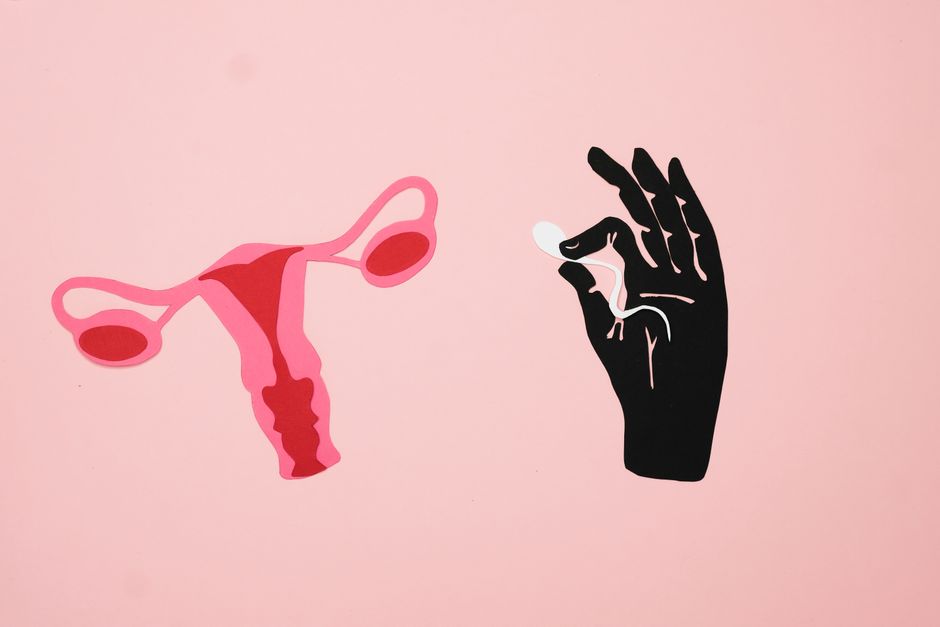
Ovarian drilling is a surgical procedure for women with polycystic ovary syndrome (PCOS) who struggle to ovulate. It involves making small burns or holes in the surface of the ovaries to lower hormone levels and trigger regular ovulation. The goal is to restore natural fertility without daily medication.
How Does Ovarian Drilling Actually Work?
The ovaries in women with PCOS often have a thick outer layer. This layer makes it hard for eggs to be released each month. Ovarian drilling uses a thin needle with heat or laser to create small holes in that outer layer.
Research shows this reduces the amount of tissue making male hormones like testosterone. Lowering these hormones helps the body produce a more normal balance. The pituitary gland then sends the right signals for an egg to mature and release.
The procedure is done under general anesthesia. A surgeon inserts a laparoscope through a small cut in the belly button. This tool has a camera so the doctor can see the ovaries. A second small cut allows the needle to enter and make the holes.
Most surgeons make 4 to 10 holes per ovary. The number depends on the ovary size and the surgeon’s judgment. The entire procedure takes about 30 to 45 minutes. Most women go home the same day.
Does Ovarian Drilling Actually Work for Fertility?
Yes, the evidence is fairly strong for the right patients. Studies have found that about 50 to 80 percent of women with PCOS start ovulating regularly after ovarian drilling. Pregnancy rates in the first year after surgery range from 30 to 60 percent.
The procedure works best for women who have not responded to clomiphene or letrozole. These are the first-line ovulation medications. If those drugs fail to make you ovulate, drilling is a reasonable next step.
However, the success rate depends heavily on your specific PCOS profile. Women with high LH levels and high testosterone tend to respond best. Women who are overweight or have insulin resistance may see lower success rates.
One important thing to know: the effect is not always permanent. Some women ovulate for years after the procedure. Others see their cycles return to irregular after 6 to 12 months. If ovulation stops again, you may need additional treatments.
What Are the Risks and Side Effects?
Ovarian drilling is surgery, so it carries standard surgical risks. These include infection, bleeding, and damage to nearby organs like the bowel or bladder. The risk is low but real.
The main concern specific to this procedure is ovarian damage. Making too many holes or using too much heat can harm healthy egg tissue. This could reduce your egg supply or bring on early menopause.
| Risk | How Common | What to Know |
|---|---|---|
| Adhesions (scar tissue) | 10-20% of cases | Can block the fallopian tubes later |
| Ovarian damage | Rare with proper technique | More likely with too many holes |
| Infection | Less than 1% | Standard antibiotic protocol reduces risk |
| No improvement | 20-50% of women | Depends on PCOS type and other factors |
Some women also experience pain or bloating for a few days after surgery. Most return to normal activity within a week. Full recovery before trying to conceive usually takes one to two months.



How Does Ovarian Drilling Compare to Medication?
Ovarian drilling is not the first choice for most women. Ovulation medications are easier, cheaper, and less invasive. Doctors usually try clomiphene or letrozole for 3 to 6 months first.
If medications work, they are the better option. You avoid surgery, anesthesia risks, and recovery time. The downside is that medication can cause multiple eggs to release, raising the chance of twins or triplets. Ovarian drilling rarely causes multiples because it restores single egg release.
Medication also needs to be taken every cycle. Ovarian drilling is a one-time procedure. If it works, you may not need any fertility drugs for months or years.
Some women choose drilling because they do not want to take hormones. Others choose it because they have side effects from medication like hot flashes or mood swings. The choice depends on your preferences and your medical history.
As of 2026, current research suggests that drilling and medication have similar pregnancy rates in the first year for women with clomiphene-resistant PCOS. The difference is mostly in convenience and cost. Surgery costs more upfront but may save money if it works long-term.
Who Is a Good Candidate for Ovarian Drilling?
Not every woman with PCOS is a good fit. The procedure is generally recommended for women who meet all of these criteria:
- Diagnosed with PCOS using Rotterdam criteria
- Not ovulating on clomiphene or letrozole
- Normal male partner fertility or treatable male factor
- Healthy fallopian tubes confirmed by HSG test
- Body mass index under 35
Women with a BMI over 35 have lower success rates. The procedure is less effective because insulin resistance and inflammation are harder to correct with surgery alone. Losing weight first may improve your odds.
Age also matters. Women under 35 have the best outcomes. Women over 38 have lower egg quality and may benefit more from IVF directly. Your doctor should consider your ovarian reserve before recommending drilling.
If you have severe endometriosis or previous ovarian surgery, drilling may not be safe. The risk of adhesions and ovarian damage is higher. Always discuss your full surgical history with your fertility specialist.
What to Expect Before, During, and After the Procedure
Before surgery, you will have blood work and an ultrasound. Your doctor will check your hormone levels and count your antral follicles. This tells them how many eggs you have left. If your count is low, drilling may not be recommended.
You will also need a hysterosalpingogram (HSG) to confirm your fallopian tubes are open. Blocked tubes make drilling pointless because eggs still cannot reach the uterus. Your partner should have a semen analysis around the same time.
On the day of surgery, you will be under general anesthesia. The surgeon makes two or three small cuts in your abdomen. A camera goes through one cut, and the drilling tool goes through another. The surgeon makes the holes and checks for other issues like endometriosis or fibroids.
After surgery, you may feel tired and sore for a day or two. Some women have shoulder pain from the gas used to inflate the abdomen. This goes away in 24 to 48 hours. You can return to work in 3 to 7 days depending on your job.
Your first ovulation may happen 2 to 6 weeks after surgery. Your doctor will track your cycles with blood tests or ovulation predictor kits. If you ovulate but do not get pregnant within 6 months, additional treatments may help.
Common Misconceptions About Ovarian Drilling
Some people think ovarian drilling is a cure for PCOS. It is not. PCOS is a lifelong metabolic and hormonal condition. Drilling only addresses the ovulation problem. You can still have insulin resistance, hair growth, and weight issues after surgery.
Others believe drilling always works. It does not. About 20 to 50 percent of women see no improvement in ovulation. The reasons are not fully understood but may relate to how your body responds to the hormonal change.
A third myth is that drilling destroys your fertility. This is false when done correctly by an experienced surgeon. The holes are small and placed carefully. Only a tiny fraction of the ovarian tissue is affected. The risk of early menopause is very low with proper technique.
Some women also worry that drilling will cause their ovaries to stop working years later. Current research suggests no increased risk of early menopause in women who had drilling compared to those who did not. The key is limiting the number of holes and the amount of heat used.
Frequently Asked Questions
How long does it take to get pregnant after ovarian drilling?
Most women who ovulate do so within 4 to 8 weeks after surgery. Pregnancy often happens within the first 6 to 12 months if ovulation is restored.
Does ovarian drilling hurt?
You are under general anesthesia during the procedure so you feel nothing. After surgery, most women have mild to moderate cramping for a day or two.
Can ovarian drilling cause twins?
No. Unlike fertility medications, drilling usually restores single egg release. The twin rate after drilling is about the same as natural conception.
Is ovarian drilling covered by insurance?
Coverage varies widely. Some plans cover it as a surgical treatment for PCOS, while others classify it as fertility treatment and exclude it. Check with your insurer before scheduling.
