
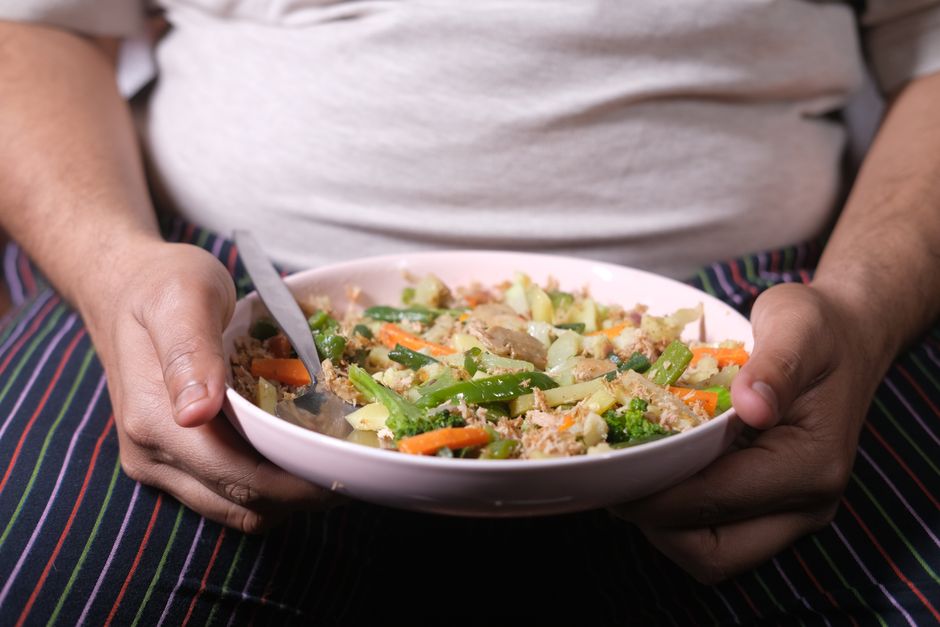
When diarrhea hits, your digestive system is inflamed and moving food through too quickly. The right foods can firm up your stool and replace lost nutrients, while the wrong ones can make things worse. The most reliable approach is the BRAT diet — bananas, rice, applesauce, and toast — along with plenty of fluids to prevent dehydration. These bland, low-fiber foods give your gut a chance to recover without adding irritation.
What Foods Help With Diarrhea?
The foods that help with diarrhea are bland, starchy, and low in fiber. They are easy to digest and help bind loose stool. The classic list includes bananas, white rice, applesauce, and plain toast — often called the BRAT diet.
These foods work because they are gentle on an irritated intestinal lining. They do not stimulate the gut the way spicy, fatty, or high-fiber foods do. They also provide simple carbohydrates that your body can absorb without much effort.
Other helpful options include plain crackers, boiled potatoes without the skin, clear broths, and well-cooked oatmeal. You can also eat plain chicken or turkey that has been baked or boiled — no skin, no seasoning beyond a little salt. These provide protein without adding fat or spice that could prolong symptoms.
Saltine crackers and pretzels are fine too. They add sodium, which helps replace what you lose through diarrhea. Just keep them plain and dry.
Why Do These Foods Help?
Diarrhea happens when the intestines cannot absorb water properly. The stool moves too fast, and water stays in the digestive tract instead of being pulled into the body. Low-fiber foods slow this process down.
Fiber comes in two types. Soluble fiber dissolves in water and forms a gel-like substance. Insoluble fiber does not dissolve and adds bulk to stool. During diarrhea, you want mostly soluble fiber and very little insoluble fiber.
Bananas are rich in pectin, a type of soluble fiber that absorbs excess water in the gut. White rice and white bread are low in the insoluble fiber that can irritate an inflamed intestine. Applesauce provides pectin as well, though it has less fiber than a whole apple — which is why whole apples are not recommended during active diarrhea.
Potassium is another reason bananas help. Diarrhea causes your body to lose potassium and other electrolytes. Bananas replace some of that potassium while being gentle on the stomach.
What Should You Avoid During Diarrhea?
Some foods clearly make diarrhea worse. Avoiding them is just as important as eating the right ones.
Dairy products are a common problem. Even people without lactose intolerance often have trouble digesting lactose during a bout of diarrhea. The intestinal lining produces lactase, the enzyme that breaks down lactose, and that enzyme production drops when the gut is inflamed. Milk, cheese, and ice cream can worsen symptoms. Yogurt with live cultures is sometimes tolerated, but it is not guaranteed.
Fatty and fried foods are hard to digest and can trigger intestinal contractions. This includes fast food, greasy meats, and anything cooked in heavy oil. Your gut cannot process fat efficiently right now.
High-fiber foods are also on the avoid list. That means raw vegetables, whole grains, beans, nuts, and seeds. These add bulk and stimulate the intestines, which is the opposite of what you need.
Spicy foods irritate the digestive tract directly. Capsaicin, the compound that makes peppers hot, can speed up intestinal transit. Avoid anything with chili, hot sauce, or heavy spices.
Sugar-free products containing sugar alcohols like sorbitol or mannitol can cause diarrhea on their own. Check labels on chewing gum, candies, and diet foods. These sweeteners draw water into the intestines.
Caffeine and alcohol both stimulate the gut and increase fluid loss. Coffee, strong tea, and alcoholic drinks should be avoided until symptoms resolve.



How Much Fluid Do You Need?
Fluid replacement is the most critical part of managing diarrhea. Dehydration is the main danger, especially in older adults and young children.
Clear liquids are best. Water, clear broth, and oral rehydration solutions are the standard choices. Oral rehydration solutions contain the right balance of water, salt, and sugar to replace what you lose. They are available at most pharmacies without a prescription.
Sports drinks can help, but they are not ideal. They contain more sugar than needed and may not have enough sodium to properly replace electrolytes. If sports drinks are all you have, dilute them with water.
A simple homemade rehydration drink can be made with 6 teaspoons of sugar and half a teaspoon of salt dissolved in 1 liter of clean water. This matches the World Health Organization’s basic oral rehydration formula. Use it only if commercial solutions are unavailable.
Sip fluids frequently rather than drinking large amounts at once. Large volumes can overwhelm the gut and trigger more diarrhea. Small, frequent sips are better absorbed.
When Should You See a Doctor?
Most diarrhea resolves on its own within a few days. But some situations require medical attention.
See a doctor if diarrhea lasts more than 48 hours in an adult. For children, seek care sooner — within 24 hours is reasonable. Infants and older adults are at higher risk for complications.
Seek immediate medical care if you have any of these signs:
- Blood or black, tarry stool
- High fever above 102°F
- Signs of dehydration — dark urine, dry mouth, dizziness, or urinating less than usual
- Severe abdominal or rectal pain
- Diarrhea that occurs after returning from a developing country
Dehydration in children requires prompt attention. Signs include no tears when crying, sunken eyes, dry mouth, and decreased urination. A baby showing these signs needs emergency care.
Do not use over-the-counter anti-diarrheal medications like loperamide (Imodium) if you have a fever or blood in your stool. These can make certain infections worse by keeping the bacteria in your system longer. Ask a pharmacist or doctor before using them.
How Long Should You Stay on a Bland Diet?
You do not need to stay on the BRAT diet for long. It was never designed as a long-term eating plan. It is a short-term strategy to get you through the worst of it.
Once your stool starts to firm up and you feel better, slowly add other foods back. Start with well-cooked vegetables, lean meats, and eggs. Wait a day or two before returning to dairy, spicy foods, or high-fiber items.
The BRAT diet is low in protein, fat, and several vitamins. It is not nutritionally complete. Staying on it for more than a day or two can leave you short on important nutrients. The goal is to use it briefly, then transition back to a normal, balanced diet.
Probiotic foods like yogurt with live cultures may help some people recover faster, but the evidence is not strong enough to recommend them for everyone. Some studies suggest certain probiotic strains can shorten the duration of diarrhea, but results vary widely. If you want to try them, wait until your symptoms are improving and choose a product with clearly labeled live cultures.
Does It Matter If Diarrhea Is Caused by Infection or Something Else?
Yes. The cause of diarrhea affects how you should manage it.
Most cases are caused by viruses, like norovirus or rotavirus. These usually resolve on their own within a few days. The BRAT diet and fluids are the mainstays of care.
Bacterial infections, such as from contaminated food, may require antibiotics in some cases. But antibiotics are not always needed, and taking them unnecessarily can make things worse. If you have a high fever, bloody stool, or symptoms lasting more than a few days, a doctor may test a stool sample to identify the cause.
Parasites are less common but possible, especially after drinking untreated water or traveling to certain regions. These require specific prescription medications.
Chronic conditions like irritable bowel syndrome, inflammatory bowel disease, or celiac disease can also cause diarrhea. If you have recurring episodes that are not linked to a recent illness, mention it to your doctor. The dietary approach may be different for these conditions.
Medications can cause diarrhea too. Antibiotics, metformin, and some blood pressure drugs are known culprits. If diarrhea started after a new medication, talk to your doctor before stopping it.
Frequently Asked Questions
What foods should I eat on the first day of diarrhea?
Stick to bananas, white rice, applesauce, plain toast, saltine crackers, and clear broth. These are the most gentle options for an irritated digestive system.
Is yogurt good for diarrhea?
Yogurt with live cultures is sometimes tolerated, but dairy can worsen diarrhea because lactose digestion is impaired during a flare-up. If you try it, start with a small amount and stop if symptoms get worse.
How long does diarrhea usually last?
Most cases of acute diarrhea resolve within 2 to 3 days. If it lasts more than 48 hours in an adult, or 24 hours in a child, contact a doctor.
Can I take anti-diarrheal medication with the BRAT diet?
Over-the-counter options like loperamide are safe for most adults with mild diarrhea, but avoid them if you have a fever or blood in your stool. Ask a pharmacist or doctor if you are unsure.
