

Blood sugar rises after every meal. That part is normal. What matters is how fast it rises, how high it goes, and how quickly the body brings it back down. Certain foods slow that rise and help the body manage glucose more steadily. The strongest evidence points to non-starchy vegetables, legumes, whole intact grains, nuts, and foods rich in fiber, protein, and healthy fats. These foods do not cure diabetes or replace medical treatment. They do change how the body handles glucose after eating.
What Foods Help Regulate Blood Sugar Naturally?
No single food regulates blood sugar on its own. The pattern of eating matters more than any one item. That said, several food groups have consistent evidence behind them.
Non-starchy vegetables like broccoli, spinach, peppers, and leafy greens are low in carbohydrate and high in fiber. They add volume to a meal without spiking glucose.
Legumes — lentils, chickpeas, black beans, kidney beans — digest slowly. Research published in the journal Diabetologia found that people who ate more legumes had better long-term blood sugar control than those who ate less. Legumes combine protein, fiber, and slow-digesting carbohydrate in one package.
Whole intact grains such as oats, barley, quinoa, and brown rice behave differently from refined grains. The fiber and structure of the grain slow digestion. Steel-cut oats and whole barley are stronger choices than instant oatmeal or white rice.
Nuts and seeds contain fat, protein, and fiber with very little carbohydrate. Almonds, walnuts, chia seeds, and flaxseeds have minimal effect on blood sugar when eaten alone.
Fatty fish like salmon, sardines, and mackerel provide protein and omega-3 fats without carbohydrate. Protein and fat slow the emptying of the stomach, which flattens the glucose rise from the rest of the meal.
Berries are lower in sugar than most fruits and higher in fiber. Raspberries, blackberries, and strawberries are common choices for people watching blood sugar.
Why Does Fiber Matter So Much for Blood Sugar?
Fiber slows digestion and blunts the glucose spike after a meal. This is one of the most consistent findings in nutrition research.
Soluble fiber — the kind found in oats, barley, beans, apples, and psyllium — forms a gel in the gut. That gel slows how quickly carbohydrate is broken down and absorbed. The result is a slower, lower rise in blood sugar instead of a sharp peak.
Fiber also feeds gut bacteria. Those bacteria produce short-chain fatty acids that appear to influence how the body handles glucose. The mechanism is still being studied, but the pattern is consistent across many studies.
Most adults in the US eat far less fiber than recommended. Federal dietary guidelines suggest about 25 to 30 grams per day for most adults, though needs vary by age and sex. Most people get roughly half that. Adding fiber is one of the most reliable dietary changes for steadier blood sugar.
One caution: increase fiber gradually. Going from 10 grams to 30 grams in a week can cause bloating and discomfort. Add a few grams at a time over several weeks and drink enough water.
How Do Protein and Fat Affect Blood Sugar?
Protein and fat slow stomach emptying, which means carbohydrate enters the bloodstream more gradually. Neither protein nor fat raises blood sugar much on its own, but both change how the body handles the carbohydrate eaten alongside them.
This is why a meal of white rice alone spikes blood sugar faster than the same rice eaten with chicken and olive oil. The total carbohydrate is the same. The speed of absorption is not.
Protein also supports satiety, which matters because eating less overall reduces the total glucose load. Foods like eggs, Greek yogurt, chicken, tofu, and fish are common protein sources that carry little or no carbohydrate.
Fat deserves a note. Not all fats behave the same. Unsaturated fats from olive oil, nuts, seeds, and fish are linked to better metabolic health in large population studies. Saturated and trans fats are linked to worse outcomes. The type of fat matters, not just the amount.

Which Carbohydrates Raise Blood Sugar Fastest?
Refined carbohydrates raise blood sugar quickly. This includes white bread, white rice, most breakfast cereals, soda, candy, and anything made with white flour or added sugar.
These foods are stripped of fiber and bran during processing. Without that fiber, the carbohydrate is digested fast and hits the bloodstream as glucose within minutes.
Liquid sugar is the fastest of all. Fruit juice and regular soda deliver sugar without fiber, fat, or protein to slow absorption. A glass of orange juice raises blood sugar faster than the whole orange it came from.
The fix is not to avoid carbohydrate entirely. It is to choose carbohydrate that comes packaged with fiber, water, and structure. That means whole fruit instead of juice, whole grains instead of refined, and beans instead of white pasta.
Does the Order You Eat Food Change Blood Sugar?
Eating vegetables and protein before carbohydrate appears to lower the glucose spike from a meal. Some studies have found that when people eat their vegetables and protein first and their starch last, blood sugar rises less than when they eat the same meal in the reverse order.
The effect is real but modest. It is not a substitute for choosing better foods overall. Think of it as a small adjustment that adds up over many meals, not a strategy that fixes a poor diet.
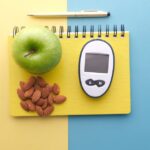
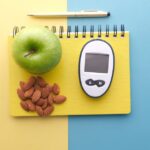
The same logic applies to meal timing. Eating carbohydrate with protein and fat rather than alone flattens the curve. A piece of fruit with a handful of nuts affects blood sugar differently than the fruit by itself.
What About Vinegar, Cinnamon, and Other Natural Remedies?
Some small studies suggest vinegar taken before a meal may slightly lower the blood sugar rise after eating. The effect appears small and the studies are limited in size. It is not a treatment for diabetes.
Cinnamon has been studied for blood sugar effects. Results are mixed. Some trials show small improvements, others show none. No clinical guideline recommends cinnamon as a treatment for high blood sugar.
This is where marketing often outruns evidence. A supplement label claiming to “support healthy blood sugar” is not the same as a proven treatment. The FDA does not review supplements for effectiveness before they are sold. If a product claims to cure or treat diabetes, that claim is not supported by evidence.
Food first. Supplements are not a shortcut around diet, and they are not a replacement for prescribed medication.
Can Diet Alone Control Blood Sugar?
For some people with prediabetes or mild type 2 diabetes, dietary changes can meaningfully improve blood sugar. For others, diet is one part of a plan that includes medication.
This is not a decision to make alone. Blood sugar that stays high causes damage over years, even when it feels like nothing is wrong. Anyone with diagnosed diabetes or prediabetes should work with a clinician before changing or stopping any treatment.
What diet can do is support the body’s ability to manage glucose. It cannot reverse the underlying disease in every case, and no food or combination of foods is a proven cure. Claims otherwise are not supported by evidence.
How to Build a Blood-Sugar-Friendly Plate
A simple structure works for most meals. Fill half the plate with non-starchy vegetables. Fill a quarter with protein — fish, chicken, eggs, tofu, or beans. Fill the last quarter with a whole intact grain or starchy vegetable.
Add a source of healthy fat: olive oil, avocado, nuts, or seeds. This slows digestion and adds satiety.
Drink water or unsweetened drinks instead of juice or soda. That single change removes one of the fastest sources of blood sugar spikes.
None of this requires special products, powders, or programs. It requires choosing foods that come with their fiber and structure intact, and eating them alongside protein and fat rather than alone.
Frequently Asked Questions
What is the best food to lower blood sugar quickly?
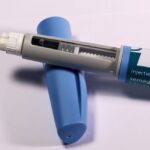
No food lowers blood sugar quickly on its own. Foods high in fiber, protein, and healthy fat slow the rise after a meal, but only medication like insulin acts fast enough to lower blood sugar in the moment.
Can eating certain foods reverse diabetes?
No food or diet has been proven to reverse diabetes. Some people with type 2 diabetes achieve better blood sugar control through diet and weight loss, but this does not mean the disease is cured and should be managed with a clinician.
Is fruit bad for blood sugar?
Whole fruit is not bad for blood sugar. Fruit contains fiber and water that slow sugar absorption, though juice and dried fruit raise blood sugar faster because the fiber and water are reduced or removed.
How much fiber should I eat to help blood sugar?
Federal dietary guidelines suggest about 25 to 30 grams of fiber per day for most adults, though needs vary by age and sex. Most people eat roughly half that amount.
