
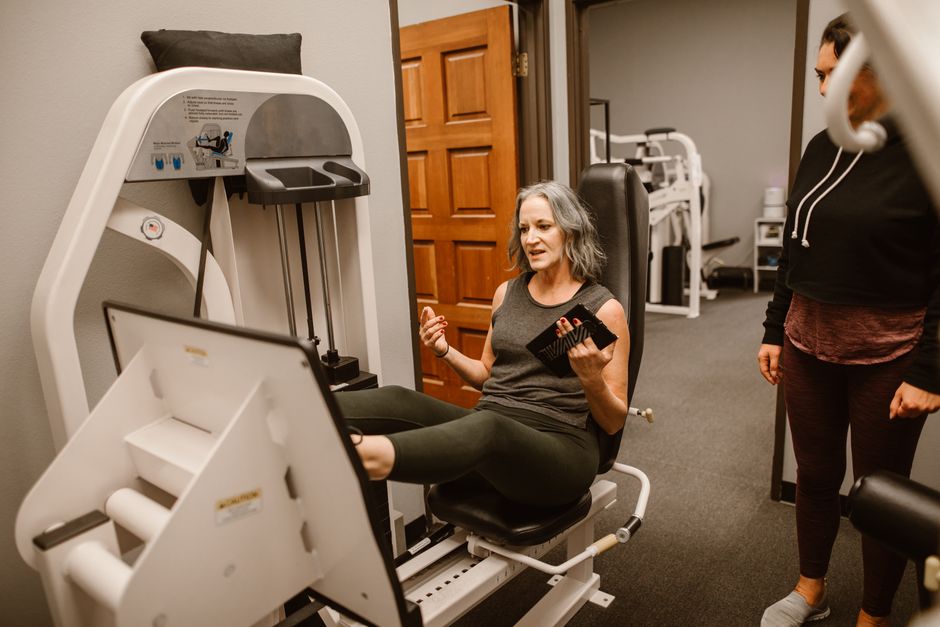
Building muscle comes down to two things: resistance training and enough protein. But protein is not the whole story. The foods you choose also provide carbohydrates for energy, fats for hormones, and vitamins and minerals for recovery. The best muscle-building diet is not a single magic food. It is a pattern of eating that consistently covers your protein, calorie, and nutrient needs. Whole eggs, dairy, lean meats, fish, beans, and legumes all do the job well. The real question is how much you need and how to put it together.
How Much Protein Do You Actually Need?
Most people overestimate or underestimate their protein needs. The standard recommendation for healthy adults is 0.8 grams per kilogram of body weight per day. That number prevents deficiency. It is not optimized for muscle growth.
For people actively trying to build muscle through resistance training, research consistently points to a higher range. Studies suggest 1.6 to 2.2 grams per kilogram of body weight per day supports muscle gain. For a 175-pound person, that is roughly 127 to 175 grams of protein daily. Spread that across three to five meals and it becomes manageable.
Eating more than that does not appear to add extra muscle. Your body can only use so much protein at once for muscle synthesis. Excess protein is simply converted to energy or stored. There is no proven benefit to extreme protein intakes beyond the 2.2 gram per kilogram range.
What Foods Help Build Muscle Protein And Beyond
Protein quality matters as much as quantity. A complete protein contains all nine essential amino acids your body cannot make on its own. Animal sources are naturally complete. Most plant proteins are incomplete, meaning they lack one or more essential amino acids.
That does not make plant protein inferior. It just means you need variety. Eating rice and beans together covers the gaps. Soy is the exception — it is a complete plant protein. Tofu, edamame, and tempeh all count.
The foods below are the most evidence-backed options for building muscle:
- Eggs — One large egg has about 6 grams of protein. The yolk contains most of the vitamins and minerals, so eating whole eggs is better than egg whites alone.
- Chicken and turkey breast — Lean poultry delivers about 25 to 30 grams of protein per 100 grams. It is low in fat and easy to cook in bulk.
- Greek yogurt — A single serving can provide 15 to 20 grams of protein. It also contains casein, a slow-digesting protein that supports recovery.
- Cottage cheese — Similar to Greek yogurt, it is rich in casein and provides about 11 grams of protein per half-cup.
- Salmon and tuna — Fish provides high-quality protein plus omega-3 fatty acids, which help reduce exercise-related inflammation.
- Lean beef — Beef supplies protein, iron, zinc, and creatine. Iron supports oxygen delivery to muscles, and creatine supports strength performance.
- Tofu and tempeh — Soy products are complete proteins. Tempeh has about 19 grams of protein per 100 grams.
- Lentils and chickpeas — These provide about 9 grams of protein per half-cup cooked. Pair them with grains for a complete amino acid profile.
- Milk — Dairy milk contains both whey and casein. It has a long history in sports nutrition research.
None of these foods is a magic bullet. The best choice is the one you will eat consistently and that fits your digestion, budget, and preferences.
Why Carbs Matter for Muscle Growth
Protein builds muscle, but carbohydrates fuel the work that triggers muscle growth. When you lift weights, your muscles use glycogen — stored glucose — for energy. If glycogen is low, your workout intensity drops. That means less stimulus for muscle growth.
Carbohydrates also spike insulin. Insulin is an anabolic hormone. It helps shuttle amino acids into muscle cells and suppresses muscle breakdown. This does not mean you need a massive carb intake. It means carbs are not the enemy for muscle building.
Good carb sources include oats, rice, potatoes, sweet potatoes, fruit, and whole-grain bread. Timing matters less than total daily intake. Eating carbs around your workout can help, but the overall daily amount matters more.



Fats and Hormones: The Overlooked Piece
Dietary fat gets blamed for weight gain, but it is essential for muscle building. Your body needs fat to produce testosterone. Testosterone is a primary driver of muscle protein synthesis. Severely low-fat diets can reduce testosterone levels in men.
That does not mean you need a high-fat diet. It means you should not cut fat to near zero. A moderate fat intake of about 20 to 35 percent of daily calories supports hormone production without excess calorie intake.
Focus on unsaturated fats from olive oil, nuts, seeds, and avocados. Saturated fats from animal sources are fine in moderation. The key is balance, not elimination.
Meal Timing: Does It Matter?
The old advice was to eat protein within 30 minutes after a workout or the gains are lost. That is not supported by current evidence. The anabolic window is wider than once believed.
Research indicates that total daily protein intake matters more than precise timing. As long as you eat adequate protein spread across the day, the exact timing around your workout is less critical. That said, having a protein-containing meal within a few hours before or after training is a reasonable and practical approach.
One useful strategy is to spread protein evenly across meals. Eating 25 to 40 grams of protein per meal, three to four times per day, appears to stimulate muscle protein synthesis more effectively than eating most of your protein in one sitting.
Supplements: What Works and What Does Not
Whole foods should always come first. Supplements are convenient, but they are not superior to food. A few have solid evidence behind them.
Whey protein is well researched. It digests quickly and contains all essential amino acids. It is a convenient way to hit your daily protein target, but it is not better than chicken or eggs.
Creatine is the most studied sports supplement. Research consistently shows it improves strength and lean mass when combined with resistance training. It is safe at standard doses for healthy adults. No food provides creatine in the amounts used in supplementation.
Branched-chain amino acids (BCAAs) are popular but largely unnecessary. Most people already get enough BCAAs from whole protein foods. If your total protein intake is adequate, BCAA supplements add little.
Protein powders are processed foods. They are not harmful, but they are not required. If you struggle to eat enough protein from food, a shake is a fine tool. If you eat enough protein from food, you do not need one.
Common Muscle-Building Nutrition Mistakes
Several mistakes repeat across people trying to build muscle. Knowing them can save you months of frustration.
Eating too little overall. You cannot build muscle in a calorie deficit. Your body needs extra energy to synthesize new tissue. A modest surplus of 200 to 300 calories per day is enough for most people. Eating far above maintenance adds fat along with muscle.
Ignoring protein quality. All protein is not equal. A protein bar with 20 grams of protein may also contain 15 grams of sugar and low-quality protein sources. Read labels and prioritize whole foods.
Skipping vegetables. Vegetables provide micronutrients that support recovery. Magnesium, zinc, and B vitamins all play roles in muscle function. A diet of only meat, rice, and protein powder misses these.
Relying on supplements instead of food. No supplement replaces a solid diet. If your meals are poor, a protein shake will not fix the problem.
Sample Muscle-Building Meal Plan
A practical example helps translate these principles into action. This is not a prescription. It is a template for what a muscle-building day might look like for a moderately active adult.
- Breakfast: Three scrambled eggs, two slices of whole-grain toast, and a piece of fruit.
- Lunch: Grilled chicken breast, a large serving of rice, and roasted vegetables.
- Snack: Greek yogurt with berries and a handful of nuts.
- Dinner: Baked salmon, sweet potato, and a side salad with olive oil.
- Post-workout (optional): A whey protein shake or a glass of milk.
This pattern provides roughly 120 to 150 grams of protein, adequate carbohydrates for training, and a moderate amount of healthy fats. Adjust portion sizes based on your body weight, activity level, and goals.
Hydration and Recovery
Muscle is about 75 percent water. Even mild dehydration reduces strength and endurance. Water also transports nutrients to muscle tissue and removes waste products from metabolism.
The common advice to drink eight glasses of water per day is a general guideline, not a precise requirement. Thirst is a reliable indicator for most people. During intense training or hot weather, you need more. Urine color is a simple check — pale yellow generally indicates adequate hydration.
Sleep is equally important. Muscle protein synthesis peaks during deep sleep. Growth hormone, which supports muscle repair, is released primarily at night. Chronic sleep deprivation blunts recovery and can reduce muscle gains even with perfect nutrition.
What About Protein for Older Adults?
Muscle loss with age — sarcopenia — is a real concern. Starting around age 30, adults lose muscle mass gradually. The loss accelerates after 60. Protein needs increase with age because older bodies become less efficient at using dietary protein.
Current evidence suggests older adults may benefit from a slightly higher protein intake than younger adults. Many experts recommend 1.0 to 1.2 grams per kilogram of body weight for older adults, with resistance training. This is not a formal guideline for all older adults, but it reflects the direction of current research.
For older adults, protein quality and distribution across meals matter even more. A serving of protein at every meal helps maintain muscle better than eating most protein at dinner.
Frequently Asked Questions
What is the best food to build muscle?
No single food is best. Eggs, chicken, Greek yogurt, and salmon are all excellent because they provide complete protein with essential amino acids. The best food is one you can eat consistently as part of a balanced diet.
How much protein per day for muscle gain?
Research suggests 1.6 to 2.2 grams of protein per kilogram of body weight daily for people doing resistance training. A 175-pound person would need roughly 127 to 175 grams per day.
Can you build muscle with plant-based protein?
Yes. Soy products like tofu and tempeh are complete proteins. Other plant proteins need to be combined — such as rice with beans — to cover all essential amino acids.
Do protein shakes help build muscle?
Protein shakes are convenient but not superior to whole foods. They help if you struggle to meet your daily protein target. They are not necessary if your food intake already covers your needs.
