
High-calorie foods are those that pack a large amount of energy into a small serving size. Think oils, nuts, seeds, fatty meats, cheese, and sugary treats. For people who struggle to gain weight, these foods can be helpful. For most others, they are the primary driver of weight gain when eaten in excess.
What Foods Have High Calories?
Pure fats are the most calorie-dense foods you can eat. One gram of fat contains 9 calories, while one gram of protein or carbohydrate contains only 4 calories. That difference explains why a small handful of nuts can contain more calories than a large bowl of vegetables.
Oils and butter lead the list. A single tablespoon of olive oil, coconut oil, or butter delivers roughly 120 calories. There is no water or fiber in these foods to add volume, so the calories are highly concentrated.
Nuts and seeds are close behind. Almonds, walnuts, pecans, and macadamia nuts all hover around 160 to 200 calories per ounce. That is about 23 almonds. Peanut butter and other nut butters deliver similar density, with about 190 calories in two tablespoons.
Why Do Some Foods Pack So Many Calories?
The calorie content of a food comes down to its macronutrient makeup. Fat is the densest macronutrient, which is why fatty foods top every high-calorie list. Carbohydrates and protein are less dense, and water and fiber add bulk without adding calories.
This is why a baked potato and a bag of potato chips differ so much in calorie count. The baked potato contains water and fiber, which fill you up. The chips are fried in oil, which replaces the water with fat. The result is a food that is far more calorie-dense than its whole-food counterpart.
Processed foods often combine fat and sugar in ways that do not occur naturally. A chocolate bar, for example, contains cocoa butter and sugar. That combination is highly palatable and easy to overeat. Research consistently shows that foods high in both fat and sugar are more likely to be consumed in excess.
High-Calorie Foods That Are Also Nutritious
Not all high-calorie foods are junk food. Many nutrient-dense foods are also calorie-dense. These are useful for people who need more energy, such as athletes, older adults with poor appetite, or people recovering from illness.
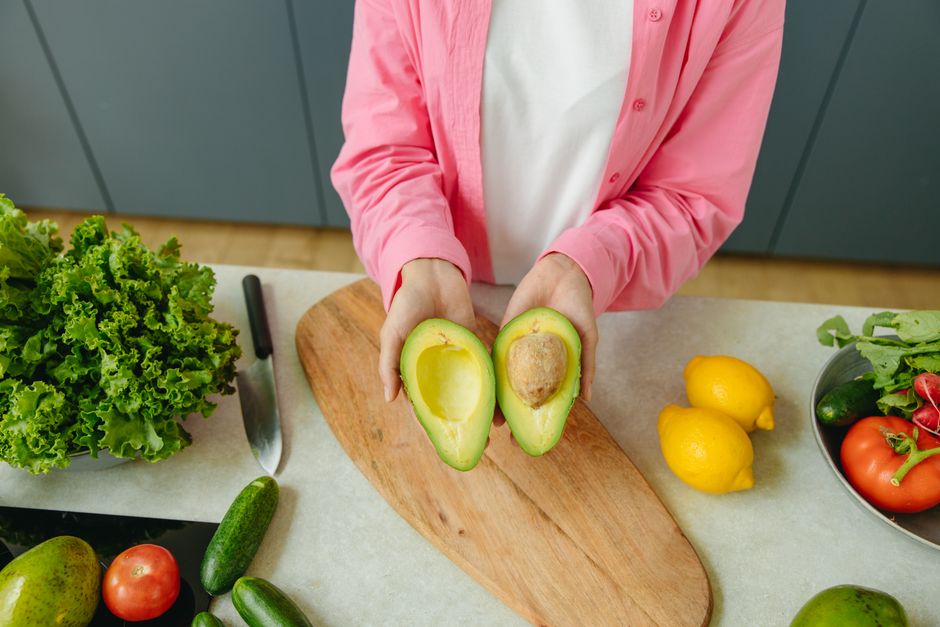
- Avocados: One whole avocado contains about 240 calories and provides heart-healthy monounsaturated fat, fiber, and potassium.
- Nuts and nut butters: Rich in healthy fats, protein, vitamin E, and magnesium. A small handful goes a long way.
- Olive oil: A staple of the Mediterranean diet. Drizzling it over vegetables or grains adds calories and beneficial fats.
- Cheese: High in fat, protein, and calcium. A one-ounce serving of cheddar delivers about 115 calories.
- Fatty fish: Salmon, mackerel, and sardines provide omega-3 fatty acids and protein. A 3-ounce serving of salmon contains roughly 180 calories.
- Dried fruit: Removing water concentrates the natural sugars. A quarter cup of raisins has about 120 calories, compared to a full cup of fresh grapes at roughly 60 calories.
- Whole eggs: One large egg contains about 70 calories, mostly from fat and protein in the yolk.
These foods offer more than just calories. They deliver vitamins, minerals, and healthy fats that support normal body function. For most people, the goal is not to avoid them entirely but to be aware of portion sizes.





High-Calorie Foods to Limit
Some high-calorie foods provide almost nothing beyond calories. These are often called “empty calorie” foods because they lack meaningful protein, fiber, vitamins, or minerals.
Sugary drinks are the most straightforward example. A 12-ounce can of regular soda contains about 150 calories, all from added sugar. Liquid calories are particularly easy to overconsume because they do not trigger the same fullness signals as solid food. Research suggests that the brain does not register liquid calories the same way it registers calories from chewing.
Fast food and fried foods are another category worth attention. A typical fast-food burger and fries meal can easily exceed 1,000 calories. The frying process adds significant fat, and portion sizes have grown substantially over the past few decades.
Desserts and baked goods sit at the top of the calorie list. A single slice of cheesecake can contain 400 to 500 calories. A glazed doughnut adds about 250 calories. These foods combine refined flour, sugar, and butter in ways that are highly palatable and easy to overeat.
Alcohol also deserves mention. A standard 12-ounce beer contains about 150 calories, and a glass of wine about 120 calories. Mixed drinks with juice, soda, or cream can be much higher. Alcohol calories are often overlooked because they do not contribute to fullness.
How Many Calories Do You Actually Need?
Calorie needs vary by age, sex, body size, and activity level. The average adult woman needs roughly 1,600 to 2,400 calories per day. The average adult man needs about 2,000 to 3,000 calories per day. These ranges come from the Dietary Guidelines for Americans.
These are broad ranges, not targets. A petite woman who works at a desk needs far fewer calories than a tall man who does physical labor. The most reliable way to know if you are eating the right amount is to watch your weight over time. If your weight is stable, you are likely eating close to your maintenance level.
If you are trying to gain weight, you need a calorie surplus. Adding 300 to 500 calories per day above maintenance generally supports gradual weight gain of about half a pound to one pound per week. Choosing nutrient-dense high-calorie foods, like nuts and avocados, is a smarter approach than relying on sugary or fried foods.
If you are trying to lose weight, you need a calorie deficit. Reducing intake by 500 calories per day typically leads to about one pound of weight loss per week. This is a general estimate, and individual results vary.
Are High-Calorie Foods Always Bad?
No. High-calorie foods are not inherently bad. The context matters more than the food itself.
For someone who is underweight or struggling to maintain weight during illness, high-calorie foods are essential. For an endurance athlete training for a marathon, calorie needs can double. For a sedentary person eating a standard Western diet, high-calorie foods are the primary reason for weight gain.
The issue is not the calories themselves. It is the balance between energy in and energy out. When you consistently eat more calories than your body burns, the excess is stored as fat. This is basic physiology, and it holds true regardless of whether the calories come from nuts or doughnuts.
That said, the source of calories matters for health beyond weight. A diet high in fried foods, added sugar, and refined grains is associated with higher risk of heart disease, type 2 diabetes, and other chronic conditions. A diet high in nuts, fish, olive oil, and whole foods is associated with lower risk. Both can be high in calories, but they affect the body differently.
Frequently Asked Questions
What single food has the most calories per gram?
Pure fat has the most calories per gram at 9 calories per gram. This means oils, butter, and lard are the most calorie-dense foods you can eat.
Are nuts too high in calories to eat daily?
Nuts are calorie-dense, but research suggests they are not linked to weight gain when eaten in moderation. A reasonable daily portion is about one ounce, or a small handful.
Do liquid calories count the same as food calories?
Yes, liquid calories count toward your total daily intake. However, they are less filling than solid food, which makes it easier to consume more calories overall.
Can you gain weight by eating healthy high-calorie foods?
Yes, any calorie surplus causes weight gain, even if the calories come from nutritious foods. Avocados, nuts, and olive oil can all contribute to weight gain if eaten in large amounts.
