
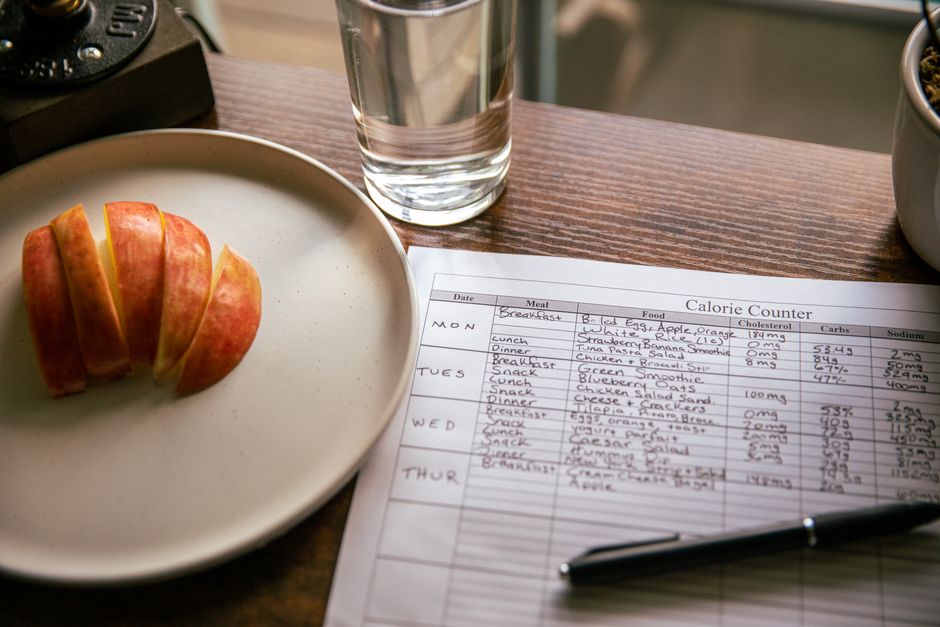
Building muscle requires eating more calories than your body burns, but the exact number depends on your size, activity level, and goals. Most people need to add 300 to 500 calories above their maintenance level each day to gain muscle without adding excessive fat. This surplus gives your body the extra energy it needs to repair and grow muscle tissue after resistance training.
How Many Extra Calories Do You Really Need for Muscle Growth?
Research published in the Journal of the International Society of Sports Nutrition suggests a calorie surplus of 300 to 500 calories per day is effective for most people. This range works because it provides enough energy for muscle protein synthesis without causing rapid fat gain.
Your maintenance calories are the amount you eat to stay the same weight. To find this number, multiply your body weight in pounds by 14 to 16 if you are moderately active. A 180-pound person who exercises regularly might need around 2,700 calories just to maintain weight. Adding 400 calories brings that total to 3,100 calories per day for muscle gain.
Smaller individuals or those new to lifting may need closer to 300 extra calories. Larger people or those with fast metabolisms sometimes need 500 or more. The key is starting conservatively and adjusting based on weekly weight changes.
What Happens If You Eat Too Few Calories While Training?
Eating at or below maintenance calories makes muscle gain very difficult. Your body needs energy to repair muscle fibers torn during lifting. Without a surplus, your body prioritizes basic functions over building new tissue.
Studies have found that even high-protein diets cannot fully support muscle growth in a calorie deficit. A 2018 study in the journal Nutrients showed that participants in a calorie deficit lost fat but gained little to no muscle, even with adequate protein. The body simply does not have the spare energy to build tissue when it is running low on fuel.
Some people report building muscle while losing fat, which is called body recomposition. This is possible for beginners, people returning after a break, or those with significant body fat. For most experienced lifters, it is slow and inefficient compared to a dedicated surplus phase.
How Does Protein Fit Into Your Calorie Surplus for Muscle?
Protein matters more than total calories when it comes to muscle building, but both are necessary. The American College of Sports Medicine recommends 1.6 to 2.2 grams of protein per kilogram of body weight daily for people trying to build muscle. That is roughly 0.7 to 1 gram per pound of body weight.
A 170-pound person would need about 120 to 170 grams of protein per day. Protein has 4 calories per gram, so 140 grams of protein accounts for 560 calories. The remaining calories in your surplus should come from carbohydrates and fats.
Carbohydrates are important for fueling workouts and replenishing glycogen stores. Fats support hormone production, including testosterone which aids muscle growth. A balanced surplus with all three macronutrients works better than loading only protein.
| Calorie Surplus Level | Expected Weekly Weight Gain | Muscle Gain Potential | Fat Gain Risk |
|---|---|---|---|
| 200-300 calories | 0.4-0.6 lbs | Moderate | Low |
| 300-500 calories | 0.6-1.0 lbs | High | Moderate |
| 500-700 calories | 1.0-1.5 lbs | Very High | High |
| 700+ calories | 1.5+ lbs | Marginal additional benefit | Very High |





What Type of Calories Should You Eat for Muscle Building?
Where your calories come from matters for both performance and health. Whole foods like lean meats, eggs, dairy, whole grains, legumes, nuts, and vegetables provide the nutrients your body needs for recovery. Processed foods may fit your calorie numbers but lack the vitamins and minerals that support muscle function.
Some people report good results with flexible dieting, where they meet protein and calorie targets from any food source. This approach can work for short periods but may leave gaps in micronutrients over time. A 2020 review in the journal Sports Medicine noted that nutrient timing is less important than total daily intake for most people.
Meal frequency does not seem to matter much either. Eating three larger meals or five smaller ones both work as long as total calories and protein are adequate. The exception is consuming protein shortly after your workout, which some studies suggest helps maximize muscle protein synthesis.
How to Calculate Your Personal Calorie Needs for Muscle Gain
Start by estimating your maintenance calories using a reliable formula. The Mifflin-St Jeor equation is widely used and reasonably accurate:
- For men: (10 × weight in kg) + (6.25 × height in cm) – (5 × age) + 5
- For women: (10 × weight in kg) + (6.25 × height in cm) – (5 × age) – 161
This gives your basal metabolic rate, or calories needed at rest. Multiply that number by 1.55 if you exercise three to five times per week. The result is your maintenance calories. Add 300 to 500 to that number for your muscle-building target.
Track your weight weekly using the same scale at the same time of day. If you gain more than one pound per week, reduce your surplus slightly. If you gain less than 0.3 pounds per week, increase your intake. Adjust every two to three weeks based on trends, not daily fluctuations.
Common Misconceptions About Calories and Muscle Growth
One widespread myth is that you need to eat thousands of extra calories to build muscle. This idea comes from old-school bodybuilding advice and leads to unnecessary fat gain. Research shows that modest surpluses produce the same muscle gain with far less fat accumulation.
Another misconception is that you cannot build muscle after age 40. While muscle protein synthesis slows with age, older adults still respond well to resistance training combined with adequate protein and calories. A 2021 study in the journal Medicine and Science in Sports and Exercise found that men over 60 gained significant muscle mass with a calorie surplus and strength training.
Some people believe that eating more protein automatically means more muscle. Your body has a limit on how much protein it can use for muscle building at one time. Excess protein is simply burned as energy or stored as fat. Spreading protein intake across meals is more effective than consuming it all in one sitting.
Frequently Asked Questions
How many calories should I eat to build muscle?
Add 300 to 500 calories above your maintenance level daily. Your maintenance calories depend on your weight, height, age, and activity level.
Can I build muscle without a calorie surplus?
It is very difficult for most people. Beginners or those with higher body fat may see some gains, but a surplus is far more effective for consistent muscle growth.
What is the best macro split for muscle gain?
Aim for 1.6 to 2.2 grams of protein per kilogram of body weight, 45 to 60 percent of calories from carbohydrates, and 20 to 35 percent from fats.
How fast should I gain weight when building muscle?
Gain 0.5 to 1 pound per week. Faster gains usually mean more fat accumulation rather than additional muscle.
