
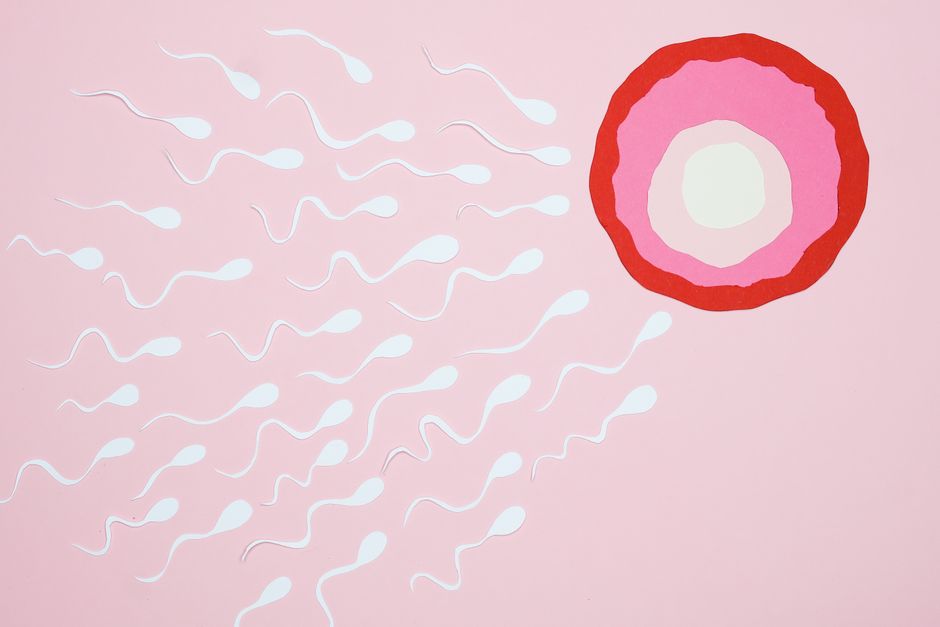
If you are looking to improve your chances of conceiving, what you eat matters for sperm health. Research shows that certain nutrients directly support sperm count and how well sperm move. The best foods for this are rich in zinc, selenium, omega-3 fatty acids, folate, and antioxidants like vitamin C and vitamin E. Oysters, fatty fish like salmon, walnuts, dark leafy greens, and berries are some of the top choices. A balanced diet with these foods can make a real difference.
What Does the Research Say About Diet and Sperm Health?
Studies have found a clear link between diet and male fertility. A 2018 study in the journal Human Reproduction Update reviewed 25 studies and found that men who ate a diet high in fruits, vegetables, fish, and whole grains had better sperm quality. This includes higher sperm count and better motility.
The same review showed that men eating a diet heavy in processed meat, full-fat dairy, and sugary foods had lower sperm quality. This is not about one single food fixing everything. It is about your overall eating pattern. The Mediterranean diet is one of the most studied patterns for fertility. It includes olive oil, fish, nuts, and plenty of plants.
Another study from 2020 in Fertility and Sterility found that men who ate more seafood had faster swimming sperm. The researchers linked this to omega-3 fatty acids. These fats are part of the sperm cell membrane and help with movement.
Which Nutrients Directly Support Sperm Count and Motility?
Several specific nutrients have strong evidence behind them. Zinc is one of the most important. The World Health Organization notes that zinc deficiency can cause low testosterone and poor sperm production. Oysters are the most famous source, but beef, pumpkin seeds, and chickpeas also provide zinc.
Selenium is another key mineral. It helps with sperm formation and protects sperm from damage. Brazil nuts are the richest source. Just one or two Brazil nuts a day gives you enough selenium. Other sources include tuna, sardines, and eggs.
Omega-3 fatty acids are critical for motility. Sperm need flexible cell membranes to swim well. Omega-3s make the membrane more fluid. Fatty fish like salmon, mackerel, and anchovies are the best sources. Walnuts and flaxseeds are plant-based options.
Folate is not just for women. Men with higher folate intake have been shown to have fewer sperm with DNA damage. Dark leafy greens like spinach and kale are excellent sources. Lentils and asparagus also provide folate.
Antioxidants like vitamin C and vitamin E protect sperm from oxidative stress. This stress can damage sperm DNA and reduce motility. Research published in Asian Journal of Andrology found that vitamin C supplements improved sperm count and motility in men with infertility. Good food sources include citrus fruits, bell peppers, almonds, and sunflower seeds.
What Does a Day of Eating for Sperm Health Look Like?
Putting these nutrients together into meals is easier than you might think. The goal is to include several of these foods each day. Here is an example of what a day could look like.
| Meal | Foods | Key Nutrients |
|---|---|---|
| Breakfast | Oatmeal with walnuts and blueberries | Omega-3s, antioxidants, zinc (from oats) |
| Lunch | Spinach salad with grilled salmon, avocado, and pumpkin seeds | Folate, omega-3s, zinc, vitamin E |
| Snack | Handful of almonds and an orange | Vitamin E, vitamin C |
| Dinner | Grilled beef steak with roasted asparagus and quinoa | Zinc, folate, selenium |
This is not a strict plan. You can swap foods based on what you like. The key is variety. Eating the same foods every day may not give you all the nutrients you need.


What Foods Should You Avoid or Limit?
Some foods can harm sperm health. Processed meats like bacon, hot dogs, and deli meats are linked to lower sperm count. A study from Harvard found that men who ate more processed meat had 23% lower sperm counts than those who ate less.
Trans fats are another concern. These are found in fried foods, baked goods, and some margarines. Research shows that trans fats can lower sperm count and reduce motility. Check food labels. If you see partially hydrogenated oil listed, avoid that product.
High alcohol intake is also a problem. The CDC states that heavy drinking can affect sperm production. Moderate drinking is probably fine, but binge drinking is clearly harmful. Limit to one or two drinks per day at most.
Soy in very high amounts may also be an issue. Some studies suggest that large amounts of soy isoflavones can lower sperm concentration. This does not mean you need to avoid tofu or edamame entirely. Eating moderate amounts is fine for most men.
Do Supplements Work Better Than Food?
Supplements can help if you have a confirmed deficiency. But for most men, food is better. Whole foods provide a mix of nutrients that work together. Supplements give you isolated nutrients, and some studies show they do not always help.
A 2020 review in Nutrients looked at male fertility supplements. The researchers found that combinations of antioxidants could improve sperm quality in men with infertility. But they also noted that high doses of some antioxidants can backfire. Too much vitamin C or vitamin E can actually cause oxidative stress.
This is a case where more is not better. Getting your nutrients from food is safer. The body regulates absorption from food better than from pills. If you do want to try a supplement, talk to a doctor first. Blood tests can tell you if you are actually low in something.
One supplement that does have good evidence is Coenzyme Q10. Some studies suggest it improves sperm motility. But again, food sources like fatty fish and organ meats also provide this nutrient.
How Long Does It Take for Diet Changes to Work?
Sperm production takes about 64 to 72 days. This is the full cycle from a new sperm cell being made to it being ejaculated. So diet changes today will not show results tomorrow. You need to stick with it for at least three months to see a difference.
This is a common frustration. Men try a healthy diet for two weeks and then check their sperm count. When it has not changed, they give up. You need to be patient. The body needs time to use the nutrients you provide and build healthier sperm.
Some lifestyle factors can speed things up or slow them down. Smoking, heavy drinking, and being overweight can all reduce the benefits of a good diet. If you are doing all the right things with food but still have unhealthy habits, the results may be limited. Quitting smoking and losing excess weight are powerful moves on their own.
Stress also matters. High stress levels raise cortisol, which can lower testosterone. Managing stress through exercise or sleep can support your diet efforts.
Common Misconceptions About Foods for Sperm Health
One common myth is that eating a single superfood will fix everything. You may have heard that eating a dozen oysters will boost your sperm count overnight. That is not how it works. Oysters are a great source of zinc, but you need a consistent intake of many nutrients over weeks.
Another myth is that you need to eat huge amounts of protein. Some men think a high-protein diet is best for sperm. But too much protein, especially from red meat, can actually lower semen quality. Balance is more important than extremes.
There is also a belief that all fats are bad for sperm. This is wrong. Healthy fats like omega-3s are essential. The problem is unhealthy fats like trans fats. Do not cut out all fat. Focus on getting the right types.
Some people claim that alkaline water or special detox diets can improve sperm. There is no clinical evidence for this. Your body regulates its own pH. You do not need expensive water or juice cleanses. Stick to whole foods and plenty of plain water.
Frequently Asked Questions
Can eating more fruit really improve sperm motility?
Yes, fruits high in vitamin C and antioxidants can protect sperm from damage and improve movement. Oranges, berries, and kiwis are good choices.
How many Brazil nuts should I eat per day for selenium?
Eating one to two Brazil nuts per day is enough to meet your selenium needs. More than that can lead to selenium toxicity.
Does coffee affect sperm count?
Moderate coffee intake of one to two cups per day does not appear to harm sperm. Very high intake of five or more cups may lower sperm quality.
Is organic food better for sperm health?
Some studies suggest that organic produce may reduce pesticide exposure, which could help sperm quality. The evidence is not strong enough to say it is essential, but it may help.
