
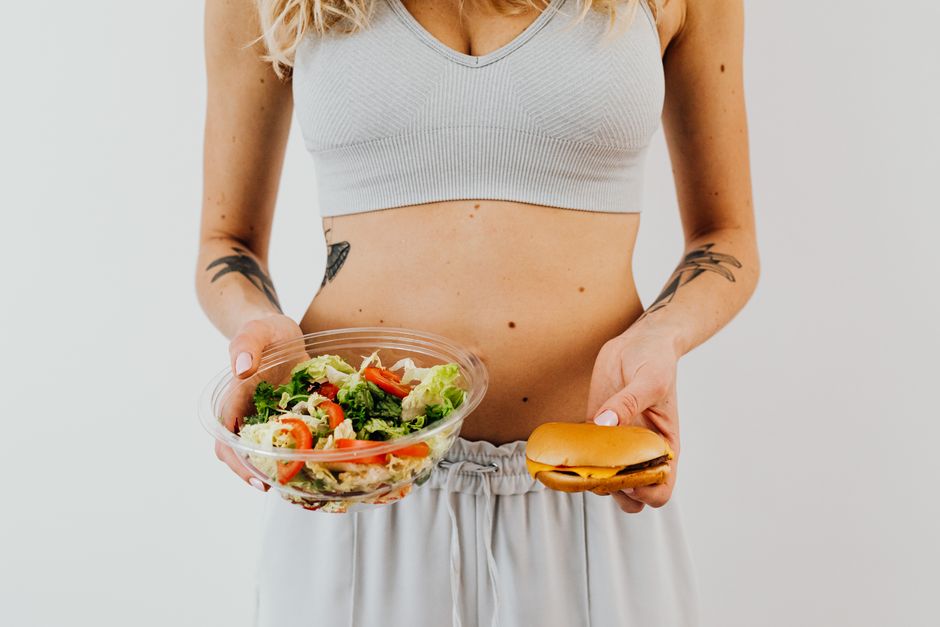
Ultra-processed foods are industrial formulations made mostly from substances extracted from foods, such as fats, starches, added sugars, and hydrogenated fats. They also contain additives like artificial colors, flavors, and preservatives that you would not typically find in a home kitchen. Common examples include sodas, packaged snacks, instant noodles, chicken nuggets, and most breakfast cereals.
What Counts as an Ultra-Processed Food?
The most widely used definition comes from the NOVA food classification system. This system sorts foods into four groups based on how much processing they undergo. It does not judge foods by their nutrients alone—it looks at the purpose of the processing.
Group 1 is unprocessed or minimally processed food. This includes fresh fruits, vegetables, milk, eggs, and raw meat. Group 2 is processed culinary ingredients like salt, sugar, oil, and butter. Group 3 is processed foods, which combine Groups 1 and 2—think canned vegetables, freshly baked bread, and cheese. Group 4 is ultra-processed foods.
The key difference is that ultra-processed foods contain ingredients you cannot recreate in a home kitchen. If a product lists something like soy protein isolate, high-fructose corn syrup, maltodextrin, or artificial flavoring, it is likely ultra-processed.
What Foods Are Ultra Processed? The Full List
Ultra-processed foods are everywhere, but they are not always obvious. Many products that seem healthy fall into this category. Here is a breakdown of the most common types.
- Sugary drinks: Sodas, fruit punches, energy drinks, and bottled sweetened teas.
- Packaged snacks: Potato chips, tortilla chips, cheese puffs, and flavored crackers.
- Sweet breakfast items: Most commercial cereals, toaster pastries, flavored instant oatmeal, and granola bars with added sugars.
- Reconstituted meat products: Chicken nuggets, fish sticks, hot dogs, sausages, and deli meats that contain fillers or additives.
- Instant meals: Instant noodles, frozen pizzas, microwave dinners, and shelf-stable pasta dishes.
- Bakery items: Packaged cakes, cookies, donuts, and pastries made with preservatives and artificial ingredients.
- Condiments and sauces: Ketchup, barbecue sauce, mayonnaise, and salad dressings with added sugars and stabilizers.
- Flavored dairy products: Fruit yogurts, flavored milk, and processed cheese products like cheese slices or cheese spreads.
- Plant-based alternatives: Some meat substitutes and vegan cheese products that rely on isolates and additives to mimic animal products.
- Artificial sweeteners and diet products: Diet sodas, sugar-free candies, and low-calorie snacks that use non-caloric sweeteners.
Some foods are processed but not ultra-processed. Canned beans, frozen vegetables, and plain yogurt are processed. They have been altered for safety or convenience, but they do not contain the long list of additives that define ultra-processed foods.
How Can You Tell If a Food Is Ultra-Processed?
Reading the ingredient list is the most reliable way to identify ultra-processed foods. The rule is simple: if you would not use the ingredient when cooking at home, the product is likely ultra-processed.
Look for ingredients like high-fructose corn syrup, hydrogenated oils, protein isolates, maltodextrin, invert sugar, and artificial colors. Also check for additives that extend shelf life or improve texture, such as emulsifiers, thickeners, and preservatives. Products with more than five ingredients often fall into this category, but the number alone is not the test. The type of ingredients matters more.
Another clue is the packaging. Ultra-processed foods are almost always sold in packages with long ingredient lists and health claims on the front. “Low fat,” “high protein,” or “fortified with vitamins” labels often appear on products that are heavily processed. These claims can distract from the fact that the food is still ultra-processed.





Why Are Ultra-Processed Foods a Health Concern?
Research consistently links high consumption of ultra-processed foods to poorer health outcomes. Studies have found associations with weight gain, higher body mass index, and increased risk of chronic conditions like type 2 diabetes and cardiovascular disease.
The reasons go beyond just calories. Ultra-processed foods are often engineered to be hyper-palatable—meaning they are designed to taste so good that you want to keep eating. They combine high levels of sugar, salt, and fat in ratios that do not occur naturally in whole foods. This can override your body’s normal satiety signals.
These foods also tend to be low in fiber, protein, and essential micronutrients. When a large portion of your diet comes from ultra-processed foods, you may get enough calories but not enough of the nutrients your body needs. The additives themselves are approved for safety, but the long-term health effects of consuming them in combination and at high levels are not fully understood.
One well-publicized clinical trial from the National Institutes of Health found that people ate more calories when they followed an ultra-processed diet compared to an unprocessed diet, even when the meals were matched for calories, sugar, fat, and fiber. The study was small and short-term, but it provides some of the strongest direct evidence that ultra-processed foods affect eating behavior.
Are All Ultra-Processed Foods Equally Bad?
No. The ultra-processed category is broad, and the health impact varies by product. A whole-grain bread with a few additives is not the same as a sugar-sweetened soda.
Sugary drinks are among the most consistently linked to negative health outcomes. They deliver large amounts of liquid sugar without any fiber or protein to slow absorption. There is strong evidence connecting regular consumption of sugary drinks to weight gain and metabolic problems.
Some ultra-processed foods are fortified with vitamins and minerals. Breakfast cereals and plant-based milk alternatives often have added nutrients that can be beneficial, especially for people with limited diets. But fortification does not cancel out the added sugars or refined starches in the product.
The practical takeaway is to reduce the frequency and portion sizes of the worst offenders—sugary drinks, fried snacks, and processed meats—while being less concerned about occasional consumption of items like whole-grain bread or flavored yogurt.
Do You Need to Eliminate Ultra-Processed Foods Completely?
No clinical guideline currently recommends eliminating all ultra-processed foods. That approach is impractical for most people and not supported by evidence showing a specific threshold where harm begins.
Instead, the evidence supports shifting your overall eating pattern toward more minimally processed foods. This means building meals around vegetables, fruits, legumes, whole grains, nuts, and lean proteins. It does not mean you can never eat a packaged snack again.
Cost and access are real barriers. Ultra-processed foods are often cheaper and more convenient than whole foods. They also have longer shelf lives, which matters for households with limited refrigerator space or unpredictable schedules. A realistic goal is to increase the share of whole foods in your diet while reducing ultra-processed foods where you can.
Reading labels takes practice. Start by identifying the top three or four ultra-processed foods you eat most often and find less processed swaps. For example, swap flavored instant oatmeal for plain oats with fruit, or replace sugary granola bars with nuts and fresh fruit.
What About Foods Marketed as Healthy?
Some of the most confusing products are those marketed as health foods. Protein bars, veggie chips, and fruit snacks are frequently ultra-processed despite their wholesome image.
Veggie chips are often made from potato starch and vegetable powders, not whole vegetables. The vegetable content is minimal, and the nutritional profile is similar to regular potato chips. Protein bars often contain protein isolates, sugar alcohols, and artificial flavors to achieve their macronutrient profile.
Granola is another example. Many commercial granolas contain more added sugar per serving than a candy bar. The oats are healthy, but the added sweeteners and oils change the picture. Always check the ingredient list rather than trusting the front of the package.
Frequently Asked Questions
Is bread considered an ultra-processed food?
Some bread is ultra-processed, but not all. Packaged white bread with preservatives, emulsifiers, and added sugars is ultra-processed, while freshly baked bread made with flour, water, yeast, and salt is simply processed.
Are frozen vegetables ultra-processed?
No. Frozen vegetables are minimally processed. They are typically blanched and frozen without added ingredients, which preserves their nutritional value.
Is olive oil an ultra-processed food?
No. Olive oil is a processed culinary ingredient. It is extracted from olives and may be filtered, but it contains no additives and is not ultra-processed.
Are protein shakes ultra-processed?
Most commercial protein shakes are ultra-processed. They typically contain protein isolates, artificial sweeteners, thickeners, and flavorings that are not found in a home kitchen.
