
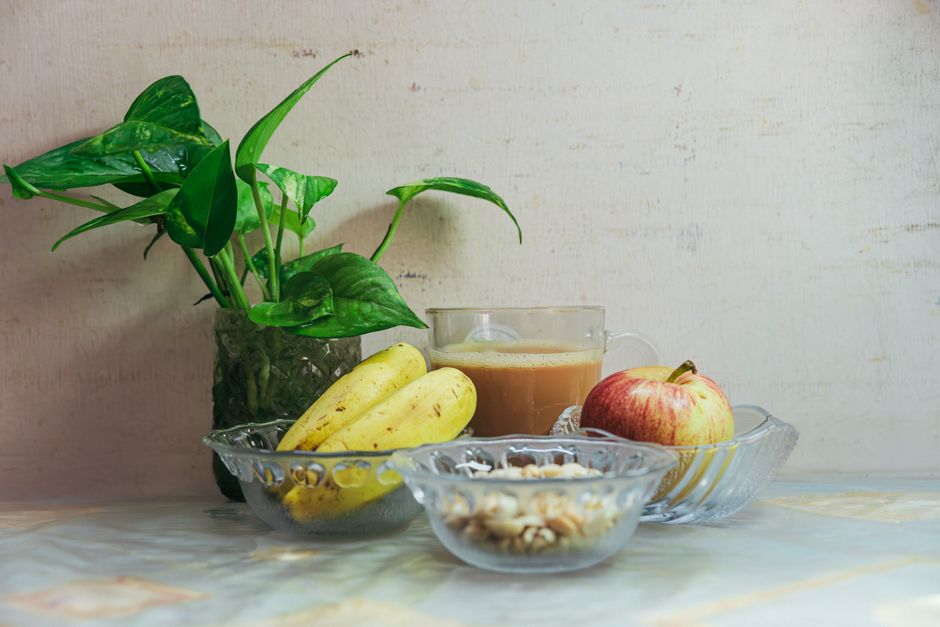
Is coffee a processed food or ultra processed? Plain coffee — roasted beans and water — is a processed food, not an ultra-processed one. It sits alongside canned beans, pasteurized milk, and bagged flour in the processed category. Ultra-processed foods are industrial formulations made mostly from extracted ingredients and additives. A plain cup of coffee does not fit that description. What you add to it, or what comes in a can or bottle, can change the answer.
What Counts as Processed Food?
Almost everything edible has been processed in some way. Processing is simply any change made to a food after it leaves the farm.
Nutrition researchers generally sort foods into four groups. The system most widely used comes from a classification developed by researchers at the University of São Paulo in Brazil, often called NOVA. It places foods into unprocessed or minimally processed, processed culinary ingredients, processed foods, and ultra-processed foods.
Under this system, roasted coffee beans are considered a processed food. So is ground coffee. The bean has been heated, dried, and possibly ground — changes that alter flavor and shelf life but add nothing artificial.
Processed foods, in this framework, are made by adding salt, sugar, oil, or other culinary ingredients to whole foods. Examples include cheese, canned fish, salted nuts, and bread made from basic ingredients. They keep the basic identity of the original food.
What Makes a Food Ultra-Processed?
Ultra-processed foods are not just modified whole foods. They are industrial creations built from ingredients you would not find in a home kitchen.
Think of substances like isolated proteins, modified starches, hydrogenated oils, high-fructose corn syrup, and a long list of additives used for texture, color, and shelf stability. These products are designed to be convenient, hyper-palatable, and long-lasting.
Common examples include soda, packaged snacks, candy, mass-produced bread, instant noodles, and many frozen ready meals.
The distinction matters because research has linked heavy intake of ultra-processed foods to health concerns. Studies published in journals such as The BMJ have associated diets high in these products with higher risks of heart disease, type 2 diabetes, and some cancers. These are observational findings, which means they show patterns rather than proof of cause and effect. Researchers continue to debate how much of the risk comes from the processing itself versus the sugar, salt, and fat these foods tend to carry.
Is Coffee a Processed Food or Ultra Processed Food?
Plain coffee falls into the processed category. It is not ultra-processed.
Here is the key point. Roasting and grinding are physical processes. They do not introduce isolated ingredients or industrial additives. A bag of whole beans contains one ingredient: coffee.
The confusion often comes from mixing up the coffee bean with the coffee drink. A black cup of drip coffee is essentially ground beans plus water. That is a processed food and water.
Where things shift is with added ingredients. A flavored latte with syrup, a bottled frappuccino, or a canned coffee drink with stabilizers and artificial flavors can cross into ultra-processed territory. The bean did not change. The product around it did.




How Does Processing Affect Coffee’s Health Profile?
Coffee itself contains hundreds of compounds, including caffeine and chlorogenic acids, which are antioxidants. Moderate coffee drinking has been linked in many studies to lower risks of several conditions, including type 2 diabetes and certain liver diseases.
Those findings apply mainly to plain coffee. They do not automatically extend to heavily sweetened coffee drinks.
The additives are where the difference shows up. A plain cup has almost no calories. A large flavored drink can carry a substantial amount of sugar and saturated fat. That changes the nutritional picture entirely.
So when you read about coffee’s possible health benefits, check what kind of coffee the study examined. Most research on benefits uses plain or lightly sweetened coffee, not dessert-style drinks.
Does Decaf or Instant Coffee Change the Answer?
Decaf coffee is still a processed food, not an ultra-processed one. The decaffeination process removes most caffeine, but the base remains coffee.
Different decaf methods use water, carbon dioxide, or solvents. The end product is still ground coffee beans. It stays in the processed category.
Instant coffee is a bit more complex. It is made by brewing coffee and then drying it into powder or granules. Some classification systems place plain instant coffee in the processed group. Others note that the industrial extraction and drying steps push it toward a more heavily processed zone.
The honest position: plain instant coffee is not typically classed as ultra-processed, but it is more processed than freshly ground beans.
Why the Ultra-Processed Label Matters for Your Health
The ultra-processed label is a rough guide, not a precise measure. It groups very different products together.
A mass-produced packaged snack and a flavored coffee drink may both land in the ultra-processed category, even though their nutritional profiles differ. The label signals that a product is far from its whole-food form. It does not tell you exactly how harmful any single item is.
For coffee drinkers, the practical takeaway is simple. If you want coffee that stays in the processed category, keep it close to the bean.
- Black coffee, espresso, or Americano — processed
- Coffee with a splash of milk or a small amount of sugar — still processed
- Bottled or canned coffee drinks with syrups, stabilizers, and flavorings — often ultra-processed
- Specialty drinks with flavored syrup, whipped cream, and toppings — often ultra-processed
None of this means you must avoid a flavored coffee drink. It means the drink is a different product from plain coffee, and it should be judged on its own ingredients.
How to Tell Which Category Your Coffee Falls Into
Read the ingredient list. This is the most reliable way to sort it out.
If the list says “coffee,” you are in the processed category. If it lists coffee plus milk, sugar, or a small number of familiar kitchen ingredients, it is still processed.
When you see a long list of additives — emulsifiers, artificial flavors, thickeners, or preservatives — the product has likely crossed into ultra-processed territory. The length and unfamiliarity of the ingredient list is a useful signal.
For coffee shop drinks, you can often ask what goes into a flavored syrup. Many contain preservatives and artificial ingredients. That does not make the drink dangerous, but it does move it away from plain coffee.
Frequently Asked Questions
Is coffee a processed food or ultra-processed?
Plain coffee is a processed food, not an ultra-processed one. It becomes ultra-processed only when it is turned into a product with added industrial ingredients, such as many bottled or flavored coffee drinks.
Is black coffee considered ultra-processed?
No. Black coffee is ground beans plus water, which places it in the processed category. It contains no isolated ingredients or industrial additives.
Are coffee pods and instant coffee ultra-processed?
Plain coffee pods and plain instant coffee are generally not classified as ultra-processed. They are more processed than whole beans, but they still contain coffee as the main ingredient.
Why are flavored coffee drinks often called ultra-processed?
They often contain syrups, stabilizers, emulsifiers, and artificial flavors that are not used in home cooking. Those added ingredients are what push them into the ultra-processed category.
