
If you have reflux, the foods that are least likely to trigger symptoms are those that are low in acid and gentle on the lower esophageal sphincter — the valve that keeps stomach contents out of your esophagus. Most fresh vegetables, most fruits except citrus, whole grains like oatmeal and brown rice, lean proteins such as chicken and fish, egg whites, and low-fat dairy are generally well tolerated. That said, reflux triggers are individual. A food that bothers one person may cause no trouble in another.
What Foods Are Not Acidic And Safe For Reflux?
Foods with a higher pH — meaning less acidic — tend to cause fewer symptoms because they do not add acid to an already irritated esophagus. The pH scale runs from 0 to 14. A lower number means more acid. Stomach acid sits around pH 1 to 3. Foods closer to neutral, around pH 6 to 7, are less likely to sting when reflux happens.
But pH alone does not tell the whole story. Some foods with a low pH, like certain fruits, rarely trigger reflux in most people. Others that are not especially acidic — chocolate, mint, fried food — can relax the lower esophageal sphincter or slow stomach emptying, which allows acid to back up.
Here is a general guide to foods that are typically low in acid and less likely to provoke symptoms:
- Vegetables: broccoli, cauliflower, green beans, zucchini, cucumber, lettuce, celery, carrots, sweet potatoes, and baked potatoes without heavy toppings
- Fruits: bananas, melons, apples, pears, and berries
- Grains: oatmeal, brown rice, whole wheat bread, and couscous
- Lean proteins: skinless chicken, turkey, fish, and tofu
- Egg whites: egg yolks are higher in fat and can be a trigger for some people
- Low-fat dairy: skim milk, low-fat yogurt, and some low-fat cheeses
- Healthy fats: small amounts of olive oil and avocado
These foods are not a cure. They simply tend to be less irritating for many people. The evidence for specific food triggers is largely based on patient reports and clinical observation rather than large controlled trials. That does not make it wrong — it means the guidance comes from what doctors consistently see in practice.
Why Does Food Acidity Matter With Reflux?
Reflux happens when the lower esophageal sphincter opens at the wrong time and stomach contents move upward. The esophagus lining is not built to handle acid the way the stomach lining is. When acid touches it, you feel the burning.
Adding acidic food to the mix can make that burning worse. It does not cause reflux on its own, but it can intensify the irritation once reflux has already happened. This is why a tomato-heavy meal may hurt more than a plain baked potato, even if both reach the same stomach.
Some foods make reflux more likely in the first place. High-fat meals slow stomach emptying, which means more time for acid to escape upward. Chocolate and peppermint can relax the sphincter. Carbonated drinks increase pressure in the stomach. Alcohol does both.
So the question of “safe” foods is really two questions: Which foods do not add acid to the esophagus, and which foods do not make reflux more likely to happen? The best choices do both.
Which Vegetables and Fruits Are Least Likely to Trigger Symptoms?
Most vegetables are close to neutral on the pH scale and are among the safest choices for people with reflux. Broccoli, cauliflower, green beans, and leafy greens are commonly recommended. They are low in fat, high in fiber, and do not relax the sphincter.
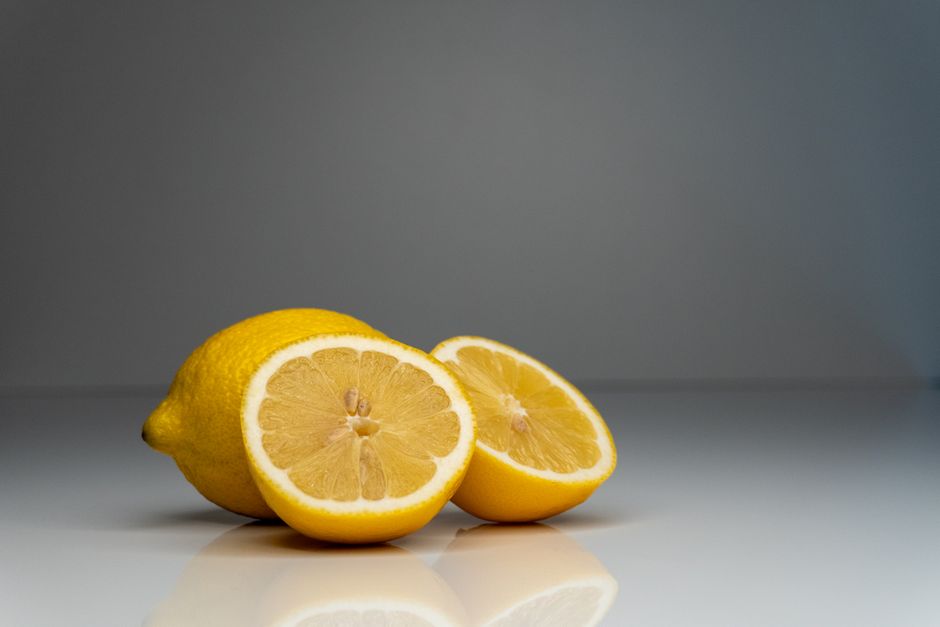
Fruits need more nuance. Citrus fruits — oranges, grapefruit, lemons, limes — are highly acidic and are common triggers. But not everyone reacts to them. Some people eat oranges without any problem. If you are trying to identify your triggers, citrus is a reasonable place to start eliminating and then reintroducing.
Bananas, melons, apples, and pears are generally well tolerated. They have a higher pH and are low in fat. Some people find that apples cause symptoms, possibly because of their fiber content or natural sugars. Again, individual responses vary.
Tomatoes are a special case. They are botanically a fruit but used as a vegetable. They are acidic and are one of the most commonly reported triggers. Tomato sauce, in particular, is a frequent culprit because it is concentrated and often combined with fat and garlic.

What About Proteins and Dairy?
Protein choices matter more than many people realize. Lean poultry, fish, and tofu are low in fat and do not relax the sphincter. Fatty cuts of meat, bacon, sausage, and fried chicken are a different story — the fat content slows digestion and increases the chance of reflux.
Egg whites are generally fine. Egg yolks contain more fat and are a trigger for some people. If you eat eggs and notice symptoms, try whites only and see if it makes a difference.
Dairy is mixed. Low-fat yogurt and skim milk are often well tolerated. Whole milk, cream, and full-fat cheese are higher in fat and may cause problems. There is also a persistent belief that milk soothes reflux. It can feel soothing for a few minutes because it coats the esophagus, but the fat and protein in milk can stimulate acid production and make things worse later. That temporary relief is not the same as improvement.
Some people find that any dairy triggers symptoms. If that is you, it is worth paying attention to. Lactose intolerance and reflux are different conditions, but they can overlap and confuse the picture.
Are There Foods That Help With Reflux Symptoms?
Some foods may help by absorbing acid or soothing the esophagus. Oatmeal is a common example. It is low in fat, high in fiber, and has a texture that some people find calming. Ginger has been studied for its effects on stomach emptying and nausea, though the evidence for reflux specifically is limited.
Chewing gum after meals may help by increasing saliva production. Saliva is slightly alkaline and can help clear acid from the esophagus. Some small studies support this, but it is not a treatment on its own.
High-fiber foods in general are associated with fewer reflux symptoms in some observational studies. The reason is not fully understood. It may be that fiber speeds stomach emptying or binds to acid. The evidence is not strong enough to say fiber treats reflux, but a high-fiber diet is good for you regardless.
No food has been shown to cure reflux or heal esophagitis. Diet can reduce symptoms, but it does not repair the underlying mechanism. If your sphincter is not closing properly, food choices can help you manage the consequences, not fix the cause.
What Foods Should You Limit or Avoid?
The list of common triggers is well established in clinical practice, even if the research is mostly based on patient reports:
- Citrus fruits and juices
- Tomatoes and tomato products
- Chocolate
- Peppermint and spearmint
- Garlic and onions
- Spicy foods
- Fried and high-fat foods
- Coffee and caffeine
- Alcohol
- Carbonated drinks
This does not mean you must avoid all of them forever. It means these are the most common triggers, and if you are trying to identify yours, this is where to start. Many people can tolerate some of these foods in moderation. Others cannot tolerate any of them.
Keeping a food diary for a few weeks can help you see patterns. Write down what you eat and when symptoms occur. It is not a perfect method — reflux can be delayed and inconsistent — but it often reveals obvious triggers.
Does Diet Alone Manage Reflux?
Diet is one part of reflux management. It is not the whole picture. Other factors include body weight, meal timing, meal size, and whether you lie down soon after eating.
Eating smaller meals more often can reduce pressure on the sphincter. Waiting at least two to three hours after eating before lying down gives the stomach time to empty. Elevating the head of your bed by about six to eight inches can help with nighttime symptoms. These are standard recommendations supported by clinical guidelines.
If you have persistent reflux, diet changes alone may not be enough. Chronic reflux can damage the esophagus over time. A condition called Barrett’s esophagus, in which the lining of the esophagus changes, is a known complication of long-term acid exposure. This is why ongoing symptoms should be evaluated by a doctor rather than managed with food choices alone.
Medications like proton pump inhibitors and H2 blockers reduce acid production. They are widely prescribed and effective for many people. They do not address the mechanical problem of reflux, but they reduce the acid that causes damage. Whether you need them, and for how long, is a conversation to have with your doctor.
Frequently Asked Questions
What is the safest food to eat with acid reflux?
Oatmeal is often considered one of the safest choices because it is low in fat, low in acid, and high in fiber. Plain baked potatoes and bananas are also commonly well tolerated.
Is bread okay for acid reflux?
Whole grain bread is generally fine for most people with reflux. White bread is also low in acid, though it offers less fiber and may not be as helpful for digestion.
Can I drink milk to calm acid reflux?
Milk may feel soothing briefly because it coats the esophagus, but it can stimulate acid production and worsen symptoms later. Low-fat milk is less likely to cause problems than whole milk.
Are eggs bad for acid reflux?
Egg whites are usually well tolerated because they are low in fat. Egg yolks contain more fat and may trigger symptoms in some people.
