
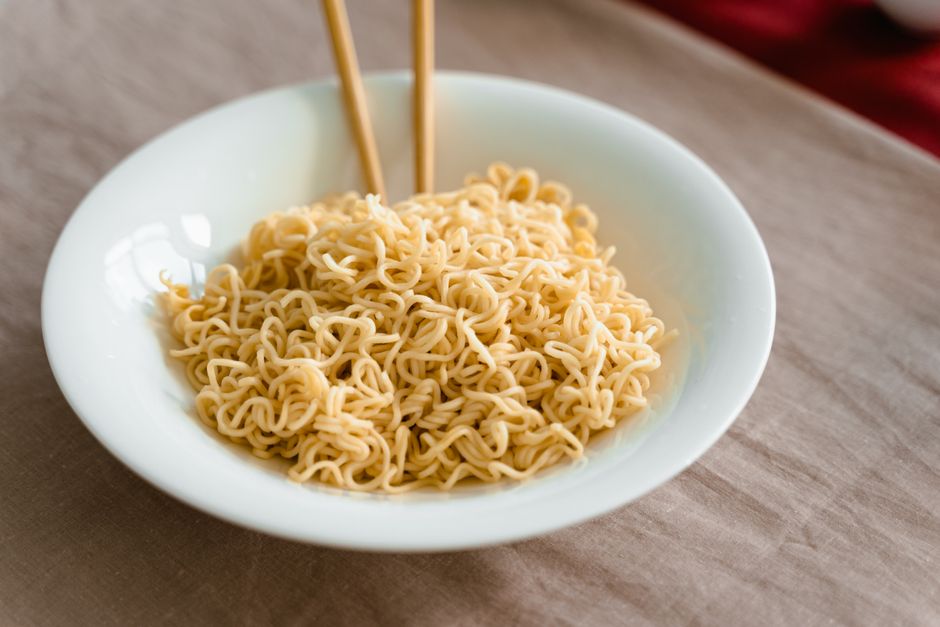
If you have ever been told to follow a bland diet, the first question is usually the most practical one: what can I actually eat? Bland foods are those that are mild in flavor, low in fiber, and gentle on the stomach. They are not spicy, not greasy, not highly acidic, and not heavily seasoned.
The most commonly recommended bland foods are plain starches like white rice, white bread, and plain pasta, along with bananas, applesauce, plain crackers, oatmeal, eggs, and plain cooked chicken or turkey. These foods share a few traits: they are easy to digest, they do not irritate the stomach lining, and they do not trigger strong acid production or bowel activity.
Bland does not mean tasteless forever. It means choosing foods that are unlikely to make an irritated digestive tract worse while it heals or settles.
What Makes a Food Bland?
Blandness is not about a lack of flavor alone. It is about a combination of low irritation and easy digestion. A food can be mild in taste but still cause problems if it is high in fat, high in fiber, or very acidic.
Three qualities define most bland foods:
- Low fat. Fat slows stomach emptying and can worsen nausea and reflux. Fried foods and heavy cream sauces are not bland.
- Low fiber. Insoluble fiber adds bulk and speeds up the bowel. Whole grains, raw vegetables, nuts, and seeds are usually excluded during a bland diet.
- Low acid and low spice. Citrus, tomatoes, vinegar, chili, pepper, and garlic can irritate an inflamed stomach or esophagus.
Temperature matters too. Very hot or very cold foods can trigger symptoms in some people. Room temperature or warm is usually better tolerated.
One point that surprises many people: bland does not automatically mean healthy for the long term. A diet of white bread and plain pasta is low in fiber and several nutrients. It is meant to be temporary, not a permanent way of eating.
What Foods Are Bland? A Practical List
The foods below are the ones most often recommended by clinicians when the stomach or intestines need a rest. They are grouped by category so you can build simple meals.
Grains and Starches
- White rice, plain and unseasoned
- Plain pasta or noodles
- White bread or toast
- Plain crackers
- Cream of wheat or plain oatmeal
- Plain boiled or mashed potatoes without butter or heavy cream
Fruits
- Bananas
- Applesauce
- Canned peaches or pears in their own juice
- Melon without seeds
Proteins
- Plain baked or poached chicken
- Plain turkey
- Eggs, scrambled or hard-boiled without added fat or spice
- Plain white fish, baked or poached
- Plain tofu
Dairy and Alternatives
- Plain low-fat yogurt
- Mild cheeses such as cottage cheese or a small amount of mild cheddar
- Milk, if tolerated
Dairy is worth a note. Many adults have some degree of lactose intolerance, and milk can worsen bloating or diarrhea in those people. If dairy causes symptoms, it is not bland for you, no matter how mild it tastes.
What Foods Should You Avoid on a Bland Diet?
The list of foods to avoid is often longer than the list of foods to eat. This is because many common foods stimulate acid, gas, or bowel movement.
Foods typically avoided include:
- Spicy foods, including chili, hot sauce, and strong curry
- Fried and greasy foods
- Fatty cuts of meat and bacon
- Citrus fruits and juices
- Tomatoes and tomato-based sauces
- Onions, garlic, and strong peppers
- Beans, lentils, and other gas-producing legumes
- Raw vegetables and salads
- Nuts and seeds
- Whole-grain breads and cereals high in bran
- Coffee, strong tea, and alcohol
- Carbonated drinks
- Chocolate
- Pickled and fermented foods
Caffeine and alcohol deserve special mention. Both can relax the valve between the stomach and esophagus and increase acid reflux. Both can also stimulate the bowel. They are among the first things most clinicians suggest removing.
This does not mean every person reacts to every food on this list. Tolerance varies. Some people with reflux react strongly to citrus but handle tomatoes fine. Others are the opposite. A bland diet is a starting point, not a personalized prescription.




Why Do Doctors Recommend Bland Foods?
A bland diet is used to reduce irritation while the digestive tract recovers. It is not a treatment that fixes a disease. It is a way to avoid making symptoms worse while the underlying issue is addressed.
Conditions where a bland diet is commonly suggested include:
- Gastroenteritis, often called a stomach bug
- Gastroesophageal reflux disease (GERD)
- Peptic ulcers and gastritis
- Recovery after stomach or intestinal surgery
- Inflammatory bowel disease flares
- Nausea from various causes
Here is where honesty matters. The evidence for bland diets is not strong in the way evidence for a drug is strong. Much of the guidance comes from clinical experience and physiological reasoning rather than large controlled trials. The logic is sound, the stomach lining is less irritated by mild low-fat food than by spicy high-fat food, but formal trials comparing bland diets to normal diets are limited.
That does not make the advice useless. It means bland diets are best understood as supportive care, not as a cure. If symptoms persist, the underlying cause needs to be identified and treated.
Is the BRAT Diet the Same as a Bland Diet?
The BRAT diet stands for bananas, rice, applesauce, and toast. It is a narrower version of a bland diet, originally used for diarrhea, especially in children.
BRAT is more restrictive than a general bland diet. It was designed to be used for a short time during acute diarrhea, not as a long-term eating plan. The reason is nutritional: bananas, rice, applesauce, and toast together do not provide enough protein, fat, vitamins, or minerals for more than a few days.
Current thinking among pediatric and nutrition professionals has moved away from prolonged BRAT use. The focus has shifted toward continuing to eat as tolerated and maintaining hydration, because adequate nutrition supports recovery. For children with diarrhea, oral rehydration solutions are generally preferred over juice or sports drinks because of their specific balance of sodium, sugar, and water.
If you are caring for a child with diarrhea, follow the guidance from your pediatrician rather than a general article. Fluid needs and feeding advice for children differ from adults.
How Long Should You Stay on a Bland Diet?
There is no single correct duration. It depends entirely on why you are on it.
For a short-lived stomach bug, bland foods are often used for a day or two while symptoms are worst, then normal eating resumes as tolerated. For a flare of a chronic condition like GERD or inflammatory bowel disease, a clinician may recommend a bland approach for longer while other treatment takes effect.
No clinical guidelines set a fixed number of days that applies to everyone. This is a decision that should be made with your doctor, especially if you have a chronic digestive condition.
Two signs it is time to get medical care rather than adjust your diet:
- Symptoms lasting more than a few days, or getting worse
- Signs of dehydration, such as dizziness, dark urine, or very dry mouth
Blood in the stool, severe pain, or persistent vomiting are reasons to seek care promptly rather than continue self-managing with food choices.
Do Bland Foods Help With Acid Reflux?
Bland foods can reduce reflux symptoms for many people, but they are not a treatment for the underlying mechanism. Reflux happens when stomach contents move back into the esophagus, usually because the valve at the bottom of the esophagus is not closing properly or because pressure in the stomach is increased.
Diet can influence both of those factors. Large meals, high-fat meals, caffeine, alcohol, and spicy food can all make reflux more likely. Choosing smaller, lower-fat, milder meals can reduce symptoms.
What diet cannot do is repair a weakened valve or resolve reflux caused by other structural issues. For frequent or persistent reflux, medical evaluation matters. Chronic untreated reflux can damage the esophagus over time.
Can You Make Bland Food Taste Better?
Yes, within limits. Bland does not have to mean boring. The key is using gentle flavoring that does not irritate the stomach.
Options that are usually well tolerated:
- A small amount of salt
- Mild herbs such as parsley, basil, or thyme in small amounts
- A little olive oil instead of butter
- Low-fat broth for moisture and mild flavor
- Soft-cooked vegetables like carrots or squash, well cooked and without seeds or skins
What to avoid adding: black pepper in large amounts, chili, garlic, onion powder, vinegar, lemon, and heavy sauces. These are the ingredients most likely to bring back the symptoms you are trying to calm.
When a Bland Diet Is Not the Right Answer
A bland diet is a short-term tool. It is not appropriate as a permanent way of eating for most people, because it is low in fiber and can be low in several nutrients if followed long term.
It is also not a substitute for diagnosis. If you have ongoing digestive symptoms, the most useful step is finding out what is causing them. A bland diet may ease symptoms while you wait, but it will not tell you why they are happening.
If a clinician has recommended a bland diet, follow their specific instructions. General lists like the one here are a starting point and may not match your situation.
Frequently Asked Questions
What foods are considered bland?
Bland foods include white rice, plain pasta, white bread, crackers, bananas, applesauce, oatmeal, eggs, and plain cooked chicken or fish. They are low in fat, low in fiber, and not spicy or acidic.
Is a bland diet the same as the BRAT diet?
No. BRAT is a narrower version limited to bananas, rice, applesauce, and toast, and it is meant for short-term use during diarrhea. A bland diet includes a wider range of mild foods and can be used for several digestive conditions.
How long can you safely stay on a bland diet?
There is no fixed guideline, and duration depends on the reason you are on it. Most people use it for a short time, and longer use should be guided by a doctor because the diet is low in fiber and some nutrients.
Can bland foods help with acid reflux?
They can reduce symptoms for many people by limiting fat, spice, caffeine, and alcohol, which are common reflux triggers. They do not fix the underlying valve problem, so frequent reflux should be evaluated by a doctor.
