
Acid reflux happens when stomach acid flows backward into your esophagus, causing that burning sensation behind your breastbone. Certain foods relax the valve that normally keeps stomach contents down, while others directly irritate an already sensitive esophagus. The most common triggers are fatty foods, spicy dishes, citrus fruits, tomatoes, chocolate, caffeine, alcohol, and carbonated drinks. To reduce symptoms, focus on lean proteins, non-citrus fruits, vegetables, whole grains, and smaller meals eaten slowly.
What Foods Trigger Acid Reflux And What To Eat?
Acid reflux is not one-size-fits-all. A food that bothers one person may be completely fine for another. Still, researchers have identified patterns. Some foods relax the lower esophageal sphincter (LES) — the muscular ring between the stomach and esophagus. Others increase stomach acid production or slow digestion, which raises pressure inside the stomach.
When the LES relaxes too often or too fully, stomach contents move upward. That acid bath irritates the esophageal lining. Over time, repeated exposure can cause inflammation, scarring, or changes to the cells lining the esophagus.
How Food Affects the Lower Esophageal Sphincter
The LES acts like a one-way gate. It opens to let food pass into the stomach, then closes tightly. Certain foods and beverages cause it to relax when it should stay closed.
High-fat meals are among the most consistent culprits. Fat slows stomach emptying and reduces LES pressure. That combination keeps food in the stomach longer and makes reflux more likely. Fried foods, fatty cuts of meat, full-fat dairy, and creamy sauces all fall into this category.
Alcohol also relaxes the LES directly. Even moderate amounts can trigger symptoms in people prone to reflux. Chocolate contains methylxanthines, compounds that relax smooth muscle — including the LES. Peppermint and spearmint have a similar effect, which is why mint tea or gum can paradoxically worsen reflux for some people.
Caffeine is more complicated. Coffee and tea can stimulate acid production, and some research suggests caffeine itself reduces LES pressure. But the evidence is not uniform. Some people with reflux tolerate coffee fine. Others cannot drink it without symptoms.
Foods That Directly Irritate the Esophagus
Some foods do not necessarily cause more reflux. Instead, they irritate tissue that is already inflamed from acid exposure.
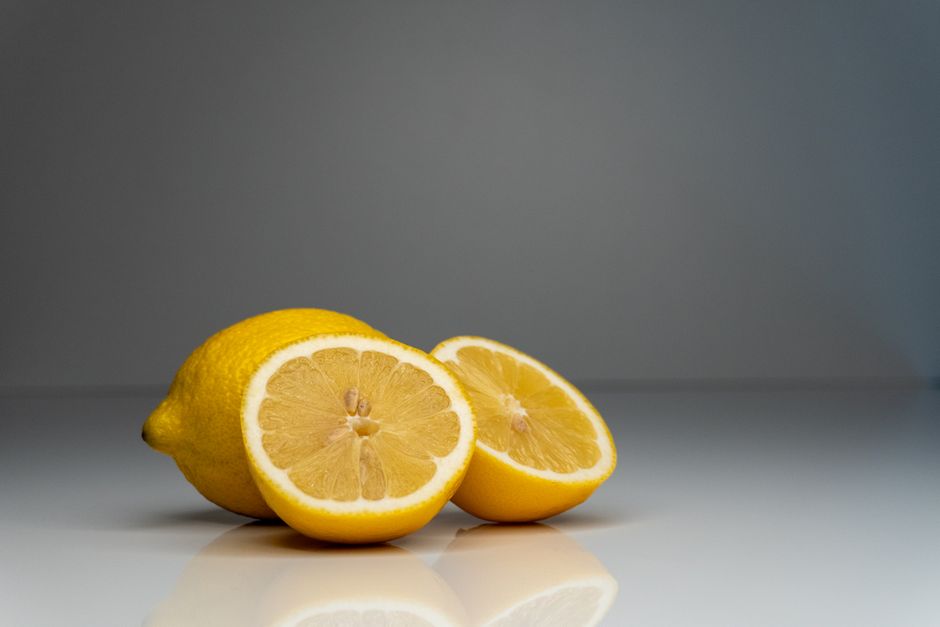
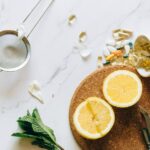
Citrus fruits and juices — oranges, grapefruits, lemons, limes — are highly acidic. When they reach an esophagus already damaged by acid, they can cause immediate burning. Tomatoes and tomato-based products like pasta sauce, salsa, and pizza sauce have the same effect. Their acidity is high enough to trigger pain even without a major reflux episode.
Spicy foods, particularly those containing chili peppers or hot sauce, contain capsaicin. Capsaicin can irritate the esophageal lining directly. It may also slow gastric emptying in some people, keeping stomach contents where they can cause more damage.
Carbonated drinks cause belching. Each belch forces the LES open briefly, allowing acid to escape into the esophagus. This happens regardless of whether the drink itself is acidic. Cola and other sodas combine carbonation with caffeine and often high sugar content, making them triple threats for people with reflux.
What to Eat Instead: Foods That Calm Reflux
The goal with a reflux-friendly diet is not to eliminate all flavor. It is to choose foods that digest quickly, keep LES pressure stable, and minimize acid production.
Lean proteins are a strong foundation. Skinless chicken or turkey, fish, eggs, and plant proteins like lentils or tofu provide satiety without the fat load of red meat or fried options. Baking, grilling, steaming, or broiling keeps these foods reflux-friendly. Frying changes everything.
Non-citrus fruits — bananas, melons, apples, and pears — are generally well tolerated. Bananas have a pH around 5, making them mildly acidic but usually safe. Melons are similarly gentle. Apples are fine for most people, though some report issues with very tart varieties.
Vegetables are naturally low in fat and sugar. Broccoli, green beans, potatoes, cucumber, asparagus, and leafy greens rarely trigger reflux. Onions and garlic are the exceptions. Raw onions, in particular, are a common trigger because they can relax the LES and stimulate acid production.
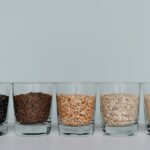
Whole grains — oatmeal, brown rice, whole-wheat bread, and quinoa — provide fiber that absorbs stomach acid and helps food move through the digestive tract faster. Oatmeal is frequently recommended as a breakfast option for people with reflux because it is bland, filling, and non-acidic.
Ginger has anti-inflammatory properties and is a traditional remedy for nausea and digestive discomfort. Adding small amounts of fresh ginger to meals or drinking ginger tea is safe for most people. There is no strong clinical evidence that ginger treats reflux directly, but it does not appear to worsen it.
Meal Patterns Matter as Much as Food Choices
What you eat matters. How you eat may matter just as much.
Large meals distend the stomach. That stretching increases pressure against the LES, making it easier for acid to escape. Eating smaller meals more frequently keeps stomach volume lower throughout the day.
Eating close to bedtime is a well-established reflux trigger. When you lie down, gravity no longer helps keep stomach contents where they belong. Lying flat also removes the angle at which the esophagus meets the stomach, which normally provides some resistance to backflow. Most clinicians advise finishing meals at least two to three hours before lying down.
Eating quickly leads to swallowing air, which increases belching and pressure. Slowing down and chewing thoroughly gives your stomach time to signal fullness before you overeat. It also starts the digestive process in the mouth, where salivary enzymes begin breaking down carbohydrates.
Posture after meals matters too. Sitting upright for at least an hour after eating allows gravity to assist digestion. Bending over, lifting heavy objects, or wearing tight clothing around the waist all increase abdominal pressure and can force acid upward.
Lifestyle Factors That Worsen Reflux
Diet is rarely the whole story. Several lifestyle factors independently increase reflux risk.
Body weight is one of the strongest predictors of reflux severity. Excess abdominal fat increases pressure inside the abdomen, which pushes stomach contents upward. Research consistently shows that weight loss reduces reflux symptoms, often significantly. Even modest weight loss can produce noticeable improvement.
Smoking weakens the LES. Nicotine relaxes the muscle directly, and smoking also reduces saliva production. Saliva contains bicarbonate, which neutralizes acid. Less saliva means less natural protection for the esophagus.
Pregnancy causes reflux in many women due to hormonal changes and increased abdominal pressure from the growing uterus. This usually resolves after delivery but can be severe during pregnancy. Pregnant women should discuss reflux treatment options with their obstetrician, as not all medications are appropriate during pregnancy.
Certain medications can worsen reflux. These include some blood pressure medications, muscle relaxants, and nonsteroidal anti-inflammatory drugs (NSAIDs) like ibuprofen and aspirin. If you take any of these regularly and have reflux symptoms, discuss alternatives with your doctor. Never stop a prescribed medication without medical guidance.
How to Identify Your Personal Trigger Foods
Food lists are starting points, not verdicts. The most reliable way to identify your specific triggers is a structured elimination approach.
Start by keeping a symptom diary for one to two weeks. Record everything you eat and drink, the time of each meal, and any reflux symptoms you experience. Include the time symptoms occur and their severity. Patterns often emerge that are not obvious day to day.
Next, remove the most common triggers for two weeks. This means avoiding fatty foods, spicy dishes, citrus, tomatoes, chocolate, caffeine, alcohol, carbonated drinks, mint, onions, and garlic. This is not a permanent diet. It is a diagnostic tool.
After two weeks, reintroduce foods one at a time. Wait two to three days between each reintroduction. If a food causes symptoms, you have found a personal trigger. If not, you can keep it in your diet.
This process takes time but produces individualized results that no generic list can match. Some people find they only react to specific forms of a food — raw onions but not cooked, for example, or tomato sauce but not fresh tomatoes.
When to See a Doctor
Occasional reflux is common and usually manageable with diet and lifestyle changes. But some symptoms require medical evaluation.
Seek medical attention if you experience reflux symptoms more than twice per week, if symptoms interfere with daily life or sleep, or if over-the-counter antacids provide only temporary relief. Frequent reflux can indicate gastroesophageal reflux disease (GERD), which may require prescription treatment.
Seek urgent care if you have chest pain that feels crushing or squeezing, especially if it radiates to your arm, neck, or jaw. Chest pain can be a sign of a heart attack, not just reflux. Difficulty swallowing, painful swallowing, unexplained weight loss, vomiting blood, or black stools also require immediate medical attention.
Long-standing reflux without treatment can damage the esophagus. Chronic inflammation can lead to a condition called Barrett’s esophagus, where the esophageal lining changes in response to repeated acid exposure. Barrett’s esophagus increases the risk of esophageal cancer, though the absolute risk remains low. Regular monitoring is recommended for people diagnosed with this condition.
If diet changes and lifestyle adjustments do not control your symptoms within a few weeks, see a healthcare provider. There is no reason to suffer through reflux when effective treatments exist.
Frequently Asked Questions
What is the fastest way to relieve acid reflux?
Antacids like calcium carbonate provide the fastest relief by neutralizing acid already in the stomach. For longer-lasting relief, H2 blockers like famotidine reduce acid production within about an hour.
Is drinking water good for acid reflux?
Water can help by diluting stomach acid and clearing acid from the esophagus after a reflux episode. Drinking large amounts of water with meals, however, can distend the stomach and potentially worsen reflux.
Can acid reflux go away permanently with diet changes?
Diet changes can eliminate symptoms for many people, especially when reflux is triggered by specific foods or eating patterns. If reflux is caused by structural issues like a hiatal hernia or significant obesity, diet alone may not provide permanent relief.
Are bananas safe to eat with acid reflux?
Bananas are generally safe and are often recommended for people with reflux because they are low-acid and easy to digest. Individual tolerance varies, but bananas are one of the least likely fruits to trigger symptoms.
