
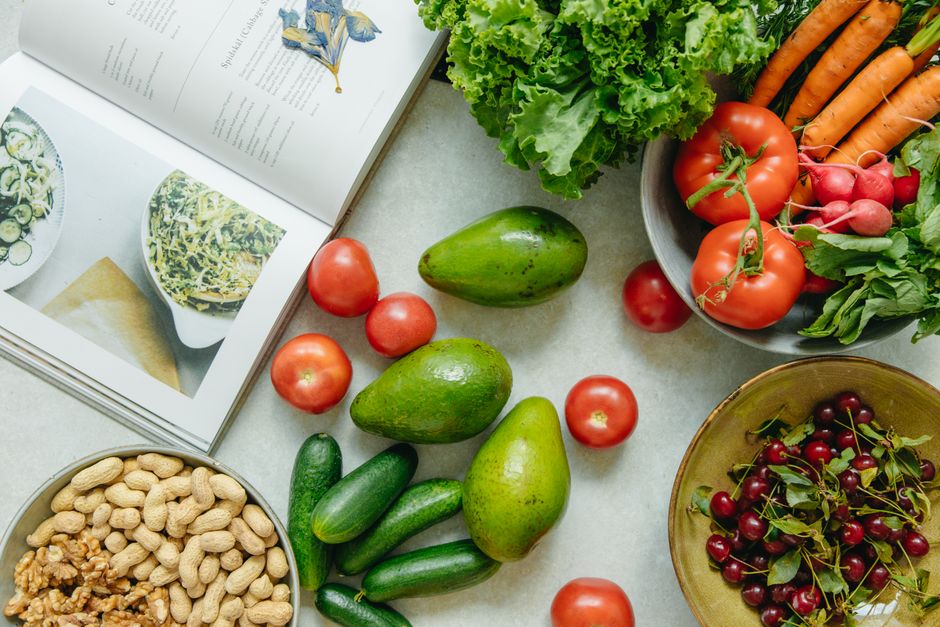
You have probably seen the claims online. Oysters, chocolate, strawberries, figs. Foods that supposedly make you want sex the moment you finish eating. The idea is appealing, but the science is more complicated than most articles suggest. No single food works like a switch that flips on desire. What foods can do is support the body systems that make desire and arousal possible. Blood flow, hormone balance, energy, and mood all play a role. Here is what the research actually shows about food and libido.
What Foods Make You Horny What Science Says
The honest answer is that no food has been proven to directly cause sexual arousal in the way a medication might. There is no clinical trial showing that eating an oyster produces measurable desire within an hour. What the evidence does support is a different pathway. Certain foods improve circulation, support healthy testosterone and estrogen levels, and provide the nutrients your body needs for normal sexual function. These effects build over time rather than appearing instantly.
Some compounds in food do have biological effects relevant to arousal. Cocoa contains flavonoids that support blood vessel health. Watermelon contains citrulline, an amino acid that may help relax blood vessels. Dark chocolate contains phenylethylamine, a compound that can trigger a mild feeling of alertness similar to what happens when you are attracted to someone. But the amounts needed to produce a strong effect are usually far larger than what a normal serving provides.
How Blood Flow Affects Sexual Arousal
Sexual arousal depends heavily on blood flow. In both men and women, physical arousal requires blood vessels to relax and widen so that blood can fill the genital tissues. This process is governed by a molecule called nitric oxide. When blood vessels cannot produce enough nitric oxide, arousal becomes more difficult.
This is why heart health and sexual health are so closely linked. The same conditions that damage blood vessels — high blood pressure, high cholesterol, diabetes, smoking — also interfere with arousal. A diet that protects blood vessels is therefore a diet that supports sexual function. This is one of the most consistent findings in the research on food and libido.
Foods rich in nitrates may help. Beets, celery, arugula, and leafy greens contain nitrates that the body can convert into nitric oxide. Some studies suggest that dietary nitrates can improve blood vessel function, though the research on sexual function specifically is limited. What is clear is that a diet pattern rich in vegetables and whole foods supports the vascular health that arousal depends on.
The Role of Hormones in Desire
Testosterone is not just a male hormone. Women also produce it, and it plays a role in sexual desire for both sexes. Testosterone levels naturally decline with age, and low levels can reduce interest in sex. Some foods are marketed as testosterone boosters, but the evidence for most of them is weak.
What food can do is support healthy hormone production. Testosterone is made from cholesterol, so very low-fat diets can reduce testosterone levels. Healthy fats from sources like olive oil, avocados, nuts, and fatty fish provide the building blocks for hormone production. One study found that men who followed a Mediterranean-style diet, which is rich in these fats, had higher testosterone levels than men on lower-fat diets.
Zinc is another nutrient to consider. It is involved in testosterone production, and deficiency is linked to low testosterone. Oysters are famously high in zinc, which may be part of the reason they have a reputation as an aphrodisiac. However, most people in the United States get enough zinc from their regular diet. Taking extra zinc beyond the recommended amount has not been shown to boost testosterone in people who are not deficient.


Nutrients That Support Sexual Function
Several specific nutrients have been studied for their role in sexual function. The evidence varies, but these are the ones with the most support.
- L-arginine and L-citrulline: These amino acids help the body produce nitric oxide. L-citrulline is found in high amounts in watermelon. Some small studies have shown that citrulline supplements can improve erectile function in men with mild erectile dysfunction. The effect of eating watermelon itself is less clear because the amount of citrulline in a typical serving is much lower than what supplements provide.
- Flavonoids: These plant compounds are found in berries, citrus fruits, dark chocolate, and red wine. They support blood vessel health. One large study of women found that those who ate more flavonoids had a lower risk of sexual dysfunction. The strongest associations were with berries, apples, and citrus fruits.
- Omega-3 fatty acids: Found in fatty fish like salmon and sardines, these fats support circulation and nerve function. Both are important for arousal and sensation.
- Vitamin D: Low vitamin D levels have been linked to low testosterone in some studies. Sunlight is the most efficient source, but fatty fish and fortified dairy products provide dietary vitamin D.
These nutrients work best as part of an overall healthy diet. Isolated nutrients in supplement form rarely produce the same benefits as whole foods consumed regularly.
What the Research Does Not Support
Many foods have reputations as aphrodisiacs that rest on tradition rather than evidence. Chocolate contains compounds that could theoretically affect mood and arousal, but no study has shown that eating chocolate makes people more interested in sex. Oysters are high in zinc, but there is no evidence that they produce immediate desire. Strawberries and figs are shaped suggestively, which appears to be the main reason they are considered romantic foods.
Some claims go further. Foods marketed as natural Viagra or libido boosters often contain herbal ingredients with little to no evidence behind them. Products that promise dramatic results should be viewed with skepticism. If a food or supplement genuinely worked as a powerful sexual stimulant, it would be regulated as a drug rather than sold as a food product.
Alcohol deserves special mention. A small amount can reduce anxiety and make social situations more comfortable, which may increase the chance of sexual activity. But alcohol is a depressant. Larger amounts impair arousal, erectile function, and lubrication. The line between helpful and harmful is different for everyone, but heavy drinking consistently harms sexual function.
How Diet Quality Affects Libido Over Time
Sexual desire is not just about what you eat right before sex. It is about your overall health. Chronic conditions like obesity, type 2 diabetes, and cardiovascular disease all increase the risk of sexual dysfunction. These conditions develop over years, and diet plays a major role in their development.
The Mediterranean diet has been studied more than any other eating pattern for its effects on long-term health. It emphasizes vegetables, fruits, whole grains, legumes, nuts, olive oil, and fish while limiting red meat and processed foods. Research has linked this pattern to better heart health, better blood sugar control, and lower rates of erectile dysfunction.
Weight matters here too. Excess body fat, especially around the abdomen, is linked to lower testosterone levels in men and hormonal changes in women that can affect desire. Losing even a modest amount of weight can improve sexual function in people who are overweight. This effect is likely related to improvements in blood sugar, blood pressure, and hormone balance.
Sleep and stress are also part of the picture. Poor sleep lowers testosterone and increases cortisol, a stress hormone that can suppress desire. Chronic stress has the same effect. No food can compensate for chronic sleep deprivation or unmanaged stress.
Practical Advice for Supporting Libido Through Diet
If you want to use food to support your sex life, focus on patterns rather than individual items. No single meal will transform your desire, but consistent eating habits can improve the underlying systems that make arousal possible.
- Eat vegetables and fruits at most meals. Berries, citrus, leafy greens, and beets are especially useful for blood vessel health.
- Include healthy fats daily. Olive oil, nuts, seeds, avocados, and fatty fish support hormone production.
- Choose whole grains over refined grains. Stable blood sugar supports energy and mood.
- Get enough protein from varied sources. Amino acids are the building blocks for hormones and neurotransmitters.
- Limit ultra-processed foods and excess sugar. These contribute to the metabolic problems that harm sexual function.
- Stay hydrated. Dehydration reduces blood volume, which can affect circulation.
These recommendations are not exotic. They are the same eating patterns recommended for heart health, brain health, and longevity. Sexual health is not separate from overall health. It is one of the first systems to show problems when your body is under stress, and one of the first to improve when you take better care of yourself.
If you are experiencing persistent loss of desire or sexual dysfunction, talk to a doctor. These issues can be caused by medications, hormonal changes, depression, anxiety, or underlying medical conditions. Diet changes are worth making, but they are not a substitute for medical evaluation when something is wrong.
Frequently Asked Questions
Can eating certain foods make you instantly aroused?
No food has been shown to cause instant sexual arousal in clinical research. Foods can support blood flow and hormone health over time, but they do not work like an on-switch for desire.
Are oysters really an aphrodisiac?
Oysters are high in zinc, which supports testosterone production, but no study has shown that eating them directly increases sexual desire. Their reputation comes more from tradition than from clinical evidence.
Does dark chocolate improve sex drive?
Dark chocolate contains flavonoids that support blood vessel health and compounds that can mildly affect mood, but research has not confirmed that it increases sexual desire. The effect, if any, is likely small and indirect.
Can watermelon boost libido?
Watermelon contains citrulline, an amino acid that may help blood vessels relax, and some small studies of citrulline supplements have shown benefits for erectile function. The amount in a normal serving of watermelon is lower than what supplements provide, so the effect of eating it is uncertain.
