
If you have interstitial cystitis (IC), you have probably scanned a menu or a grocery list and wondered which item will send you running to the bathroom. The foods most often reported to aggravate IC symptoms are acidic items like citrus, tomatoes, and vinegar; caffeinated drinks like coffee and soda; alcohol; spicy foods; and artificial sweeteners. These are the common triggers, but the list is not universal. IC is a bladder condition that behaves differently from person to person, and a food that flares one patient may cause no trouble at all in another.
That variability is the single most important thing to understand before you start cutting foods out of your diet. The evidence for food triggers in IC comes largely from patient surveys and clinical experience, not from controlled trials. That does not make the reports unimportant. It means the goal is to find your triggers, not to follow a fixed forbidden list.
What Foods Aggravate Interstitial Cystitis?
The foods most frequently named as IC irritants fall into a few clear groups. Surveys of IC patients consistently point to the same usual suspects, and clinicians who treat the condition see the same patterns in practice.
- Acidic foods and drinks — citrus fruits and juices, tomatoes and tomato products, vinegar, and pickled foods.
- Caffeine — coffee, tea, many sodas, energy drinks, and chocolate.
- Alcohol — beer, wine, and spirits.
- Spicy foods — chili, hot peppers, curry, and hot sauces.
- Artificial sweeteners — especially aspartame and saccharin, though some people also report problems with others.
- Carbonated drinks — the bubbles themselves are a reported irritant for some people, separate from caffeine or acid.
- High-potassium foods — bananas, oranges, avocados, and some others are flagged by some patients.
- Preservatives and additives — MSG, sulfites, and certain food dyes appear on many trigger lists.
Notice how broad this list is. If you removed all of it at once, you would be eating a very narrow diet. That is why most clinicians do not recommend eliminating everything. The list is a set of candidates, not a verdict.
Why Do Certain Foods Bother the Bladder?
The bladder lining in IC is thought to be more permeable or less protected than usual. When the protective layer of mucus that coats the inside of the bladder is compromised, substances in urine can reach deeper layers of the bladder wall and trigger irritation, pain, and urgency.
Many of the foods on the trigger list share a feature: they are acidic, or they are broken down by the body into compounds that end up in urine. Coffee and citrus, for example, can make urine more acidic. The idea is that when these compounds contact an already sensitive bladder lining, they provoke symptoms.
This mechanism is plausible and widely discussed, but it is not fully proven. Researchers have not been able to show a clean, consistent link between the acidity of a person’s urine and their symptom flares. Some patients react to foods that are not acidic at all, and some tolerate acidic foods fine. The biology is real, but the map from food to symptom is messier than a simple acid story suggests.
Is the Evidence for Food Triggers Strong?
The evidence is moderate at best. Most of what we know comes from patient-reported surveys and the observations of clinicians who specialize in IC. These sources are valuable because they reflect what real patients experience, but they have limits.
Surveys can be skewed by people who feel strongly about their triggers. They cannot prove that a food caused a flare, only that a person noticed one around the same time. Controlled studies where patients eat a suspected trigger and a neutral food in random order are rare. A few small studies have looked at specific items, but the overall body of rigorous trial evidence is thin.
This does not mean food does not matter. It means the science has not caught up to what patients report. If you notice a pattern, that pattern is worth paying attention to, even if the research cannot yet confirm it for everyone.


How Do You Figure Out Your Own Triggers?
The most common approach clinicians describe is an elimination and reintroduction process. You remove suspected trigger foods for a period, then add them back one at a time and watch for symptoms. This is a method, not a guarantee, and it takes patience.
A few principles make the process more useful:
- Change one thing at a time. If you cut five foods at once and feel better, you have no idea which one mattered.
- Give each change enough time. Symptoms can lag behind what you eat, so a single day is rarely enough to judge.
- Keep a simple log. Note what you ate and how your bladder felt. Memory is unreliable for this kind of pattern-finding.
- Reintroduce cautiously. Add one food back, watch for a few days, then move to the next.
- Do not eliminate forever without reason. A food you tolerate should stay in your diet.
Some people find their triggers quickly. Others never find a clear food link at all, and their symptoms may be driven more by stress, hormonal cycles, or the underlying condition itself. Both outcomes are normal.
Should You Try an Elimination Diet on Your Own?
An elimination diet is generally considered low-risk for most healthy adults, but it can become a problem if it goes on too long or becomes too restrictive. Cutting out entire food groups can lead to gaps in nutrition, especially if you avoid fruits, vegetables, or dairy for extended periods.
If you are considering a strict or long-term elimination diet, it is worth talking with a doctor or a registered dietitian who understands IC. They can help you keep the diet broad enough to meet your nutritional needs and help you tell a real trigger apart from a coincidence.
There is also a psychological trap to watch for. When you are in pain, it is tempting to blame every food and keep shrinking your diet. Over time, that can lead to avoiding foods that were never the problem. The goal is a diet you can live with, not the smallest possible list of safe foods.
What About the IC Diet — Is It a Real Thing?
Yes, the “IC diet” is a real and widely used framework, but it is not a single official prescription. It is usually presented as a tiered list: foods that are commonly problematic, foods that are sometimes problematic, and foods that are generally well tolerated. Different sources organize it differently.
Some clinicians recommend it as a starting point. Others are more cautious, noting that the evidence base is limited and that many patients do not fit the pattern. The honest position is that the IC diet is a useful tool for some people and an unreliable one for others. It is a guide for self-experimentation, not a rulebook.
One clarification worth making: a food appearing on a trigger list does not mean it will bother you. These lists are built from the people who did react. The people who did not react are less likely to show up in the data.
Are There Foods That Help IC Symptoms?
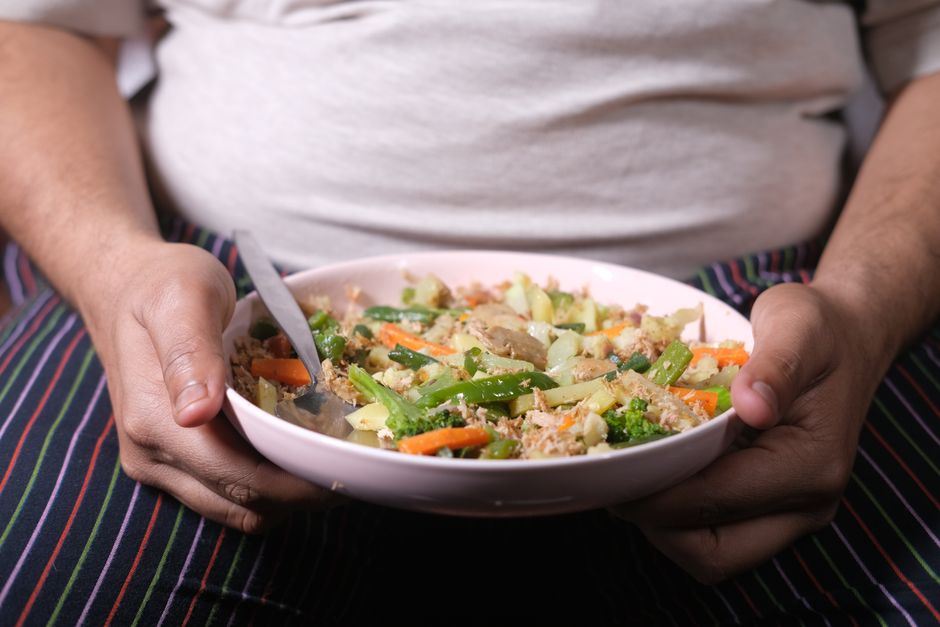
Some patients report that certain foods seem soothing rather than irritating. Bland, low-acid choices are often mentioned — plain grains, mild vegetables, and water rather than other drinks. Drinking enough water is frequently recommended because dilute urine may be less irritating to a sensitive bladder.
That said, no food has been shown in rigorous trials to treat IC. Claims that a specific food or supplement calms the bladder should be treated with caution. Staying hydrated is reasonable and generally supported. Beyond that, the evidence for “helpful” foods is mostly anecdotal.
If you are managing IC, the more reliable levers are usually the treatments your doctor recommends, plus attention to stress and sleep, which many patients report affect their symptoms.
When Should You Talk to a Doctor?
Talk to a doctor if you have bladder pain, urgency, or frequency that is affecting your daily life, or if your symptoms are getting worse. IC is a diagnosis made after other conditions are ruled out, so a proper evaluation matters.
Also speak up if you are losing weight, if you notice blood in your urine, or if you have a fever with urinary symptoms. Those signs point to something that needs prompt attention and are not explained by food triggers alone.
Food is one piece of IC management, and for some people it is a small piece. Do not let the search for triggers delay getting a real evaluation and a treatment plan.
Frequently Asked Questions
What foods aggravate interstitial cystitis the most?
The most commonly reported triggers are citrus, tomatoes, vinegar, caffeine, alcohol, spicy foods, and artificial sweeteners. These appear most often in patient surveys, though individual reactions vary widely.
Does coffee make interstitial cystitis worse?
Caffeine is one of the most frequently reported triggers, and many IC patients say coffee worsens urgency and pain. Not everyone reacts, so it is worth testing for yourself rather than assuming.
Can you cure interstitial cystitis with diet alone?
No. No diet has been shown to cure IC, and food triggers are only one factor for many patients. Diet changes may reduce symptoms for some people, but they are not a treatment on their own.
How long does it take to notice a food trigger?
Reports vary, and there is no established timeline that applies to everyone. Some people notice symptoms within hours of eating a trigger, while others say reactions build over a day or more.
