
Selenium is a trace mineral your body needs but cannot make on its own. You get it almost entirely from food. Selenium foods are dietary sources of this mineral, and the richest ones include Brazil nuts, seafood, organ meats, eggs, and certain grains and seeds. The amount in plant foods depends heavily on the selenium content of the soil they grew in.
That last point matters more than most people realize. Two batches of the same food can differ widely in selenium. This makes selenium different from nutrients like calcium or vitamin C, where food labels give you a fairly reliable number.
What Does Selenium Do in the Body?
Selenium is incorporated into proteins called selenoproteins. Your body makes at least 25 of them, and they perform specific jobs.
The best-known selenoproteins are antioxidant enzymes. They help neutralize reactive oxygen species — unstable molecules that can damage cells. One family, the glutathione peroxidases, reduces hydrogen peroxide and lipid peroxides inside cells. Another group, the thioredoxin reductases, helps maintain the cell’s internal reducing environment.
Selenium also plays a role in thyroid function. The enzyme that converts thyroxine (T4) into its active form, triiodothyronine (T3), is a selenoprotein. This is one reason severe selenium deficiency can affect thyroid health.
Other selenoproteins are involved in DNA synthesis, immune cell function, and sperm production. The breadth of these roles explains why the mineral matters — but it does not mean more is better. Once your body has enough selenium to make the selenoproteins it needs, extra selenium does not add further benefit. In some cases, it causes harm.
What Are the Best Food Sources of Selenium?
Brazil nuts are the standout source by a wide margin. A single Brazil nut can contain more than your entire daily requirement. The exact amount varies enormously depending on where the nut was grown — some contain well over 90 micrograms (mcg) per nut, while others contain far less.
Seafood and organ meats are the next most concentrated sources. A 3-ounce serving of yellowfin tuna provides roughly 90 mcg. The same amount of halibut offers about 47 mcg. Sardines, shrimp, and salmon are also solid sources. Beef liver and other organ meats are high in selenium as well.
Eggs, poultry, and dairy contribute meaningful amounts. One large egg provides about 15 mcg. A 3-ounce serving of turkey or chicken delivers roughly 20–25 mcg, depending on the cut.
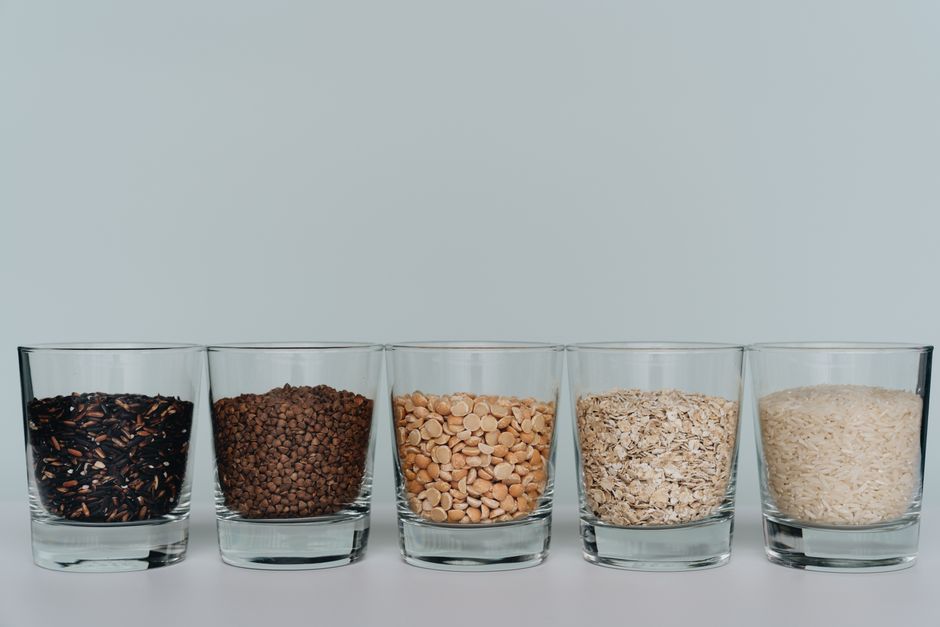
Plant foods vary more. Whole wheat bread, brown rice, oats, and sunflower seeds contain selenium, but the amount depends on soil content. In regions with selenium-poor soil — parts of China, northern Europe, and the northeastern United States — the same crops contain much less.
Garlic, onions, and mushrooms can accumulate selenium when grown in selenium-rich soil, but their content is unpredictable. They are not reliable sources on their own.
Approximate Selenium Content in Common Foods
| Food | Serving | Approximate Selenium (mcg) |
|---|---|---|
| Brazil nut | 1 nut | Varies widely — often 70–90+ |
| Yellowfin tuna | 3 oz | ~90 |
| Halibut | 3 oz | ~47 |
| Sardines | 3 oz | ~45 |
| Turkey (light meat) | 3 oz | ~25 |
| Egg | 1 large | ~15 |
| Whole wheat bread | 1 slice | ~8–10 |
| Brown rice (cooked) | 1 cup | ~6–19 |
These numbers are approximate because selenium content varies by source, growing region, and processing. The Brazil nut range reflects the wide natural variation documented in soil and nut analyses.
How Much Selenium Do You Actually Need?
The Recommended Dietary Allowance (RDA) for adults is 55 micrograms per day. This applies to both men and women. During pregnancy, the RDA rises to 60 mcg, and during breastfeeding, it rises to 70 mcg.
The Tolerable Upper Intake Level (UL) for adults is 400 mcg per day. This is the maximum amount unlikely to cause harm in most people. Consistently exceeding this level can lead to selenium toxicity.
Most Americans get enough selenium from diet alone. The average intake in the United States is well above the RDA, largely because the soil in many growing regions is selenium-rich and because grains and animal products are common in the food supply.
That said, certain groups may be at higher risk of inadequate intake. People living in low-selenium regions globally, those on very restricted diets, and individuals with certain gastrointestinal conditions that impair nutrient absorption may need closer attention. A healthcare provider can assess this properly.




Can You Get Too Much Selenium?
Yes. Selenium has a narrow window between enough and too much. This is unusual among minerals and worth understanding.
Selenium toxicity, called selenosis, can cause hair loss, brittle nails, garlic-like breath odor, nausea, and in severe cases, nerve damage. These effects have been documented in people who consumed excessive amounts over time.
Brazil nuts are the most common dietary cause. Eating just a few Brazil nuts daily can push intake past the upper limit. The variation in selenium content from nut to nut makes it hard to predict exactly how much you’re getting.
Selenium supplements are another risk. Some products contain doses well above the RDA. Taking a supplement with 200 mcg of selenium, for example, plus eating selenium-rich foods, could put you over 400 mcg without realizing it.
If you eat a varied diet that includes some seafood, eggs, or grains, you likely do not need a selenium supplement. If you do take one, checking the dose against the upper limit is a reasonable precaution.
Does Selenium Prevent Disease?
The evidence here is mixed, and it’s important to be honest about that.
Observational studies have suggested associations between higher selenium status and lower risk of certain cancers, particularly prostate and lung cancer. But when researchers tested selenium supplementation in randomized controlled trials, the results did not confirm a protective effect.
One large trial, the Selenium and Vitamin E Cancer Prevention Trial (SELECT), found that selenium supplementation did not reduce prostate cancer risk. In fact, there was a signal suggesting increased risk in some subgroups, though this finding has been debated.
For cardiovascular disease, the picture is similarly unclear. Some studies show an association between low selenium and heart disease risk, but trials of supplementation have not consistently shown benefit.
What does the evidence support? Getting enough selenium to meet your body’s basic needs. Beyond that, there is no strong evidence that taking extra selenium prevents cancer, heart disease, or other chronic conditions in well-nourished populations.
This is a case where the biological reasoning seems compelling — selenium is an antioxidant, oxidative stress contributes to disease, so more selenium should help. But biology is not the same as clinical proof. The trials have not borne out the theory.
Who Might Need More Selenium?
Certain populations may have higher selenium needs or lower intake:
- People living in regions with selenium-poor soil, including parts of China, northern Europe, and New Zealand
- Individuals on kidney dialysis, who may lose selenium during treatment
- People with HIV, as selenium status tends to decline with disease progression
- Those with malabsorption conditions such as Crohn’s disease or celiac disease
- Pregnant and breastfeeding women, whose RDA is higher
This does not mean everyone in these groups needs a supplement. It means selenium status may be worth discussing with a healthcare provider, especially if there are symptoms or risk factors.
How Can You Get Enough Selenium From Food?
For most people, a varied diet covers selenium needs without much effort. One Brazil nut every few days, some seafood once or twice a week, and regular inclusion of eggs, poultry, or whole grains will typically do it.
If you are vegetarian or vegan, pay attention to selenium sources. Plant foods vary, so relying on a single grain or vegetable may not be enough. Brazil nuts are a reliable option for plant-based eaters, but the dose is unpredictable — one nut is usually plenty, and more is not better.
Cooking does not significantly destroy selenium. It is a mineral, not a vitamin, so heat does not degrade it the way it breaks down vitamin C. Boiling can leach some selenium into cooking water, but the loss is modest.
If you are unsure whether you are getting enough, a blood test can measure selenium status. This is not a routine test, but a healthcare provider can order it if there is a clinical reason.
Frequently Asked Questions
What are the best selenium foods?
Brazil nuts, seafood (especially tuna, halibut, and sardines), organ meats, eggs, and poultry are the richest sources. Whole grains and seeds also contribute, though their selenium content depends on soil.
How many Brazil nuts should I eat for selenium?
One Brazil nut typically provides more than the daily requirement of 55 mcg for adults. Eating more than a few per day can push you past the upper limit of 400 mcg, so moderation matters.
Can I get too much selenium from food?
Yes, primarily from Brazil nuts. Selenium toxicity can cause hair loss, brittle nails, and garlic-like breath odor. Other foods are unlikely to cause toxicity unless consumed in extreme amounts.
Do I need a selenium supplement?
Most people who eat a varied diet do not need one. Supplements may be appropriate for certain groups, but they should be discussed with a healthcare provider because of the narrow margin between adequate and excessive intake.
