
Protein is in every cell of your body. You need it to build muscle, repair tissue, make enzymes and hormones, and support immune function. The top protein foods come from both animal and plant sources, and the best choices deliver protein alongside other nutrients your body needs. Here is what the evidence actually shows about which foods are highest in protein, how much you need, and what to watch for.
What Are The Top Protein Foods?
Animal foods generally pack the most protein per serving. But plant foods hold their own, especially when you eat a variety across the day.
Here are some of the highest-protein foods, with approximate protein content per typical serving based on USDA data:
| Food | Serving Size | Protein (grams) |
|---|---|---|
| Chicken breast, cooked | 3 oz (85 g) | ~26 g |
| Lean beef, cooked | 3 oz (85 g) | ~22 g |
| Salmon, cooked | 3 oz (85 g) | ~22 g |
| Tuna, canned in water | 3 oz (85 g) | ~20 g |
| Greek yogurt, plain | 1 cup (227 g) | ~20 g |
| Cottage cheese, low-fat | 1 cup (226 g) | ~24 g |
| Eggs | 2 large | ~12 g |
| Lentils, cooked | 1 cup (198 g) | ~18 g |
| Tofu, firm | 1/2 cup (126 g) | ~10 g |
| Edamame, shelled | 1 cup (155 g) | ~18 g |
| Black beans, cooked | 1 cup (172 g) | ~15 g |
| Peanut butter | 2 tbsp (32 g) | ~7 g |
Notice the pattern. Animal foods concentrate protein into smaller servings. Plant foods often deliver similar amounts per cup but come with more carbohydrates and fiber. That is not a downside — it is just a different nutritional package.
One detail worth knowing: protein quality varies. Animal proteins are “complete,” meaning they contain all nine essential amino acids your body cannot make on its own. Most plant proteins are lower in one or more of those amino acids. But you do not need to combine plant foods at every meal. Eating a variety of plant proteins across the day gives your body what it needs.
How Much Protein Do You Actually Need?
The Recommended Dietary Allowance for protein is 0.8 grams per kilogram of body weight per day for most healthy adults. For a 150-pound person, that is about 54 grams daily.
That number is a minimum to prevent deficiency, not necessarily an ideal target. Research on muscle health suggests that older adults may benefit from somewhat more — in the range of 1.0 to 1.2 grams per kilogram per day — to help preserve muscle mass with age. Some studies in physically active people point to even higher intakes, though the exact optimal amount remains debated.
Here is where it gets practical. Most Americans already eat more than the RDA for protein. The question is not usually “Am I getting enough?” but “Am I getting it from the best sources?” and “Am I spreading it out across meals?”
Your body uses protein more efficiently when you eat it in moderate amounts at each meal rather than loading it all into dinner. Some research suggests roughly 25 to 30 grams of high-quality protein per meal may better support muscle protein synthesis in adults. That is a general finding, not a strict rule, and individual needs vary.
Are Plant Proteins as Good as Animal Proteins?
Plant proteins can meet your needs. The idea that plant protein is inferior is outdated and oversimplified.
What is true: plant proteins generally have lower digestibility and may be lower in certain essential amino acids, particularly lysine and methionine. What is also true: people who eat a varied plant-based diet get all the essential amino acids they need. Your body maintains a pool of amino acids and draws from it throughout the day.
Some studies suggest that plant protein sources may support heart health differently than animal sources, partly because they come packaged with fiber, unsaturated fats, and phytonutrients. But the evidence on long-term health outcomes is mixed and depends heavily on the overall diet, not just the protein source.
If you eat mostly plant-based, focus on variety:
- Legumes (lentils, chickpeas, black beans, edamame)
- Soy foods (tofu, tempeh, edamame)
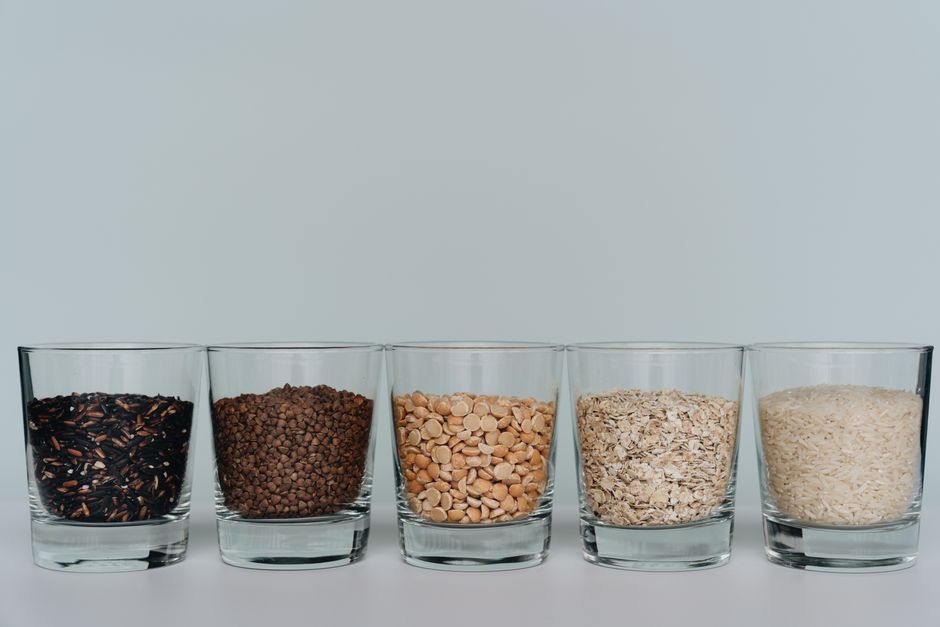
- Whole grains (quinoa, oats, whole wheat)
- Nuts and seeds (peanuts, almonds, hemp seeds, pumpkin seeds)
- Some vegetables (broccoli, spinach, peas)
Soy is notable because it is a complete protein — one of the few plant sources that is. That makes it a strong anchor for plant-based diets.

Does Protein Help With Weight Management?
Protein can help with weight management, but the effect is modest and depends on the whole picture.
Protein takes more energy to digest than fat or carbohydrates. It also tends to increase satiety — the feeling of fullness — more than the other two macronutrients. Some studies have found that higher-protein diets can help people eat fewer calories overall and preserve lean mass during weight loss.
But protein is not a magic bullet. If you eat more calories than you burn, you will gain weight regardless of where those calories come from. The benefit of protein is that it may make it easier to eat less without feeling hungry. That is a real but limited effect.
One important nuance: when you lose weight, you lose some muscle along with fat. Eating enough protein and doing resistance exercise can help reduce how much muscle you lose. That is well established. The exact amount of protein needed for this varies by person and situation.
What About Protein Powders and Supplements?
Protein powders are convenient but not necessary for most people. If you can meet your protein needs through food, there is no strong evidence that adding powder provides extra benefit for general health.
That said, there are situations where protein supplements can be useful. Athletes with high protein needs, older adults who struggle to eat enough, and people with limited appetite due to illness may find them helpful. They are a tool, not a requirement.
Whey protein is well studied and digests quickly. Casein digests more slowly. Plant-based powders like pea, rice, and soy are also available. Some research suggests pea protein may be slightly less effective for muscle building than whey, but the difference is small and may not matter if you are getting enough total protein.
Quality matters. Protein powders are supplements, not drugs, so they are not held to the same manufacturing standards as medications. Third-party testing can help verify what is actually in the product, though not all products carry it.
Which Protein Foods Should You Limit?
Not all protein sources are equal when it comes to health. The evidence here is fairly consistent.
Processed meats — bacon, sausage, deli meats, hot dogs — are classified as carcinogenic to humans by the International Agency for Research on Cancer. That classification is based on strong evidence linking processed meat to colorectal cancer. This does not mean eating a hot dog once will give you cancer. It means regular consumption increases risk.
Red meat, especially when eaten in large amounts, has also been linked to increased risk of certain cancers and heart disease in some studies. The evidence is not as strong as for processed meat, and results vary across studies. Lean red meat in moderate amounts can be part of a healthy diet for many people.
What seems to matter most is the overall pattern. A diet built around fish, poultry, legumes, nuts, and moderate amounts of lean meat and dairy tends to be associated with better health outcomes than one heavy in processed and red meats.
Frequently Asked Questions
What food has the most protein per serving?
Chicken breast, lean beef, and fish each provide roughly 20 to 26 grams of protein per 3-ounce cooked serving. Greek yogurt and cottage cheese are among the highest-protein dairy options.
Can I get enough protein without eating meat?
Yes. A varied plant-based diet that includes legumes, soy foods, whole grains, nuts, and seeds can meet protein needs. Soy is a complete protein and a particularly strong plant source.
How much protein do I need per day?
The RDA for most healthy adults is 0.8 grams per kilogram of body weight. Older adults may benefit from somewhat more, in the range of 1.0 to 1.2 grams per kilogram daily, though individual needs vary.
Is too much protein bad for your kidneys?
For people with healthy kidneys, higher protein intakes have not been shown to cause kidney damage in most studies. People with existing kidney disease should follow their doctor’s guidance on protein intake.
