
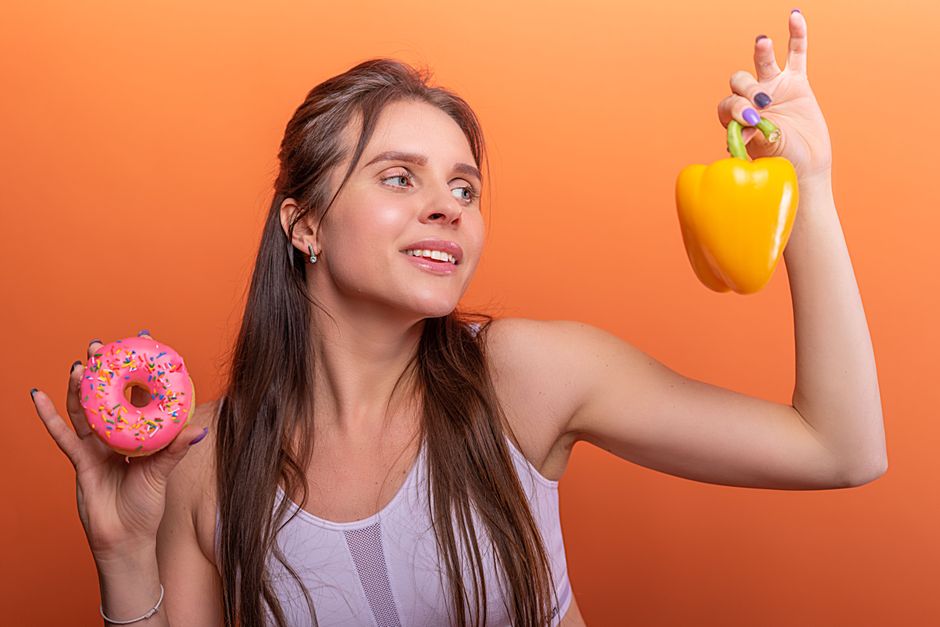
If you want a straight answer to what food makes you gain the most weight, the evidence points to ultra-processed foods high in both sugar and refined fats. Think of items like sugary sodas, fast-food burgers, packaged cookies, and many breakfast cereals. These foods are designed to be easy to overeat because they bypass your body’s natural fullness signals. Research consistently shows that the combination of high sugar, unhealthy fats, and low fiber is the most direct path to excess calorie intake and weight gain.
What Does Research on What Food Makes You Gain the Most Weight Show?
Studies have found that not all calories are equal when it comes to weight gain. A landmark study published in the journal Cell Metabolism gave participants either ultra-processed or unprocessed meals matched for calories, sugar, fat, fiber, and macronutrients. The group eating ultra-processed food ate about 500 more calories per day and gained weight. The unprocessed group ate less and lost weight.
The key difference was not the ingredients themselves but how the food was constructed. Ultra-processed foods are soft, easy to chew, and quickly digested. They do not trigger the same hormonal signals that tell your brain you are full. This is why you can eat an entire bag of chips without feeling satisfied but feel stuffed after a plate of vegetables and lean meat with the same number of calories.
Another major study from the National Institutes of Health tracked dietary patterns over 20 years. The foods most strongly linked to weight gain were potato chips, sugar-sweetened beverages, and processed meats. These foods consistently led to more pounds gained per year compared to whole foods like vegetables, nuts, and yogurt, which were linked to weight stability or even slight loss.
Which Specific Foods Cause the Most Weight Gain?
Some foods are worse than others when it comes to packing on pounds. Here are the top offenders based on large-scale research:
- Sugar-sweetened beverages – Soda, fruit punch, and sweetened teas are liquid calories. Your brain does not register them as food, so you drink them on top of everything else you eat. One study found that drinking one soda per day led to 15 pounds of weight gain over a decade.
- Potato chips and french fries – These are high in refined carbohydrates, unhealthy fats, and salt. The combination makes them highly palatable and easy to overeat. They also have a high glycemic index, which spikes blood sugar and promotes fat storage.
- Processed baked goods – Cookies, cakes, doughnuts, and pastries are loaded with sugar, white flour, and trans fats. They are calorie-dense but nutrient-poor, meaning you get a lot of energy without any fiber or protein to help you feel full.
- Fast food burgers and pizza – These meals combine refined carbs, processed meats, and high-fat cheese. A single meal can exceed 1,000 calories, and most people do not compensate by eating less later in the day.
It is important to note that these foods do not cause weight gain through some special mechanism. They just make it very easy to eat more calories than your body needs. The problem is not the food itself but how much of it you consume.
Does Eating Fat Make You Gain More Weight Than Eating Sugar?
This is a common debate, and the answer depends on context. Dietary fat has nine calories per gram, while carbohydrates have four. In theory, fat is more calorie-dense. But research shows that sugar, especially in liquid form, may be more dangerous for weight gain because it does not trigger fullness signals.
A study from the University of California, Davis found that people who consumed high-fructose corn syrup in beverages gained significant weight and visceral fat, even when total calorie intake was controlled. The fructose in sugar appears to bypass normal appetite regulation and may increase fat storage in the liver.
However, whole food sources of fat like nuts, avocados, and olive oil are not linked to weight gain. In fact, some studies show that people who eat nuts regularly weigh less than those who avoid them. The form of the food matters more than the isolated nutrient. A candy bar and an avocado both contain fat and sugar, but they affect your body very differently.
The real issue is foods that combine high fat and high sugar in a processed form. This combination triggers reward centers in the brain and makes you want to keep eating. Ice cream, chocolate bars, and creamy desserts are classic examples. They are engineered to be irresistible.





How Do Ultra-Processed Foods Trick Your Body?
Your body has a complex system for regulating appetite. Hormones like ghrelin signal hunger, while leptin signals fullness. Ultra-processed foods disrupt this system in several ways. First, they are low in water and fiber, which are two of the main factors that stretch your stomach and trigger fullness. Second, they are digested rapidly, causing a quick spike in blood sugar followed by a crash that makes you hungry again.
Research from the University of Michigan showed that people eating ultra-processed meals had lower levels of the fullness hormone PYY compared to when they ate whole foods. They also had higher levels of the hunger hormone ghrelin. This means that even if you eat the same number of calories, your body will still want more food if those calories come from processed sources.
Another factor is the texture. Ultra-processed foods are often soft and easy to eat quickly. A study found that people ate a slice of cheese pizza in about two minutes, while a piece of whole-grain bread with cheese took over six minutes to chew and swallow. The faster you eat, the more you consume before your brain registers that you are full.
This is not a matter of willpower. Your biology is working against you when you eat these foods. The food industry has spent decades perfecting the combination of ingredients that maximize overeating.
What Are the Best Foods to Eat Instead?
If you want to avoid weight gain, the opposite of ultra-processed foods works best. Foods that are high in fiber, water, and protein naturally limit how much you eat. Here is a simple comparison of how different foods affect calorie intake:
| Food Type | Example | Calories per 100g | How Full You Feel |
|---|---|---|---|
| Ultra-processed | Potato chips | 536 | Low fullness |
| Whole food | Boiled potatoes | 87 | High fullness |
| Ultra-processed | Sugary cereal | 379 | Low fullness |
| Whole food | Oatmeal | 62 | High fullness |
| Ultra-processed | White bread | 265 | Moderate fullness |
| Whole food | Whole-grain bread | 247 | High fullness |
The boiled potato is a standout. Researchers at the University of Sydney developed a satiety index that ranks how full people feel after eating different foods. Boiled potatoes scored the highest of all foods tested, meaning they made people feel more satisfied than any other food per calorie. This is because potatoes are high in water and fiber, and they trigger strong fullness signals.
Other whole foods that score well on the satiety index include fish, lean meat, beans, lentils, apples, and oranges. These foods fill your stomach and provide steady energy. They also require more chewing, which gives your brain time to register that you have eaten enough.
Common Misconceptions About Weight Gain Foods
Many people believe that certain foods like bread, pasta, or fruit cause weight gain because of their carbohydrate content. This is not supported by evidence. The American Journal of Clinical Nutrition published a review showing that whole grains and fruits are not linked to weight gain. In fact, people who eat more whole grains tend to have lower body weights.
Another myth is that eating after 8 PM causes weight gain. The timing of your meals matters less than the total calories you consume during the day. If you eat a large dinner late at night, you may gain weight, but that is because of the extra calories, not the clock. Studies that controlled for total calorie intake found no difference in weight gain between early and late eaters.
A third misconception is that all fats are bad for weight. As mentioned earlier, healthy fats from nuts, seeds, and fish are not associated with weight gain. The problem is trans fats and excessive saturated fats found in processed foods. Your body needs some fat for hormone production and nutrient absorption. Cutting out all fat can actually backfire because you may replace it with sugar and refined carbs.
Finally, people often think that diet foods or low-fat products are better for weight control. Many of these products replace fat with added sugar or artificial sweeteners to improve taste. Research suggests that artificial sweeteners may still trigger cravings and disrupt gut bacteria, potentially leading to weight gain over time. The healthiest choice is usually the least processed version of a food, not the one with a health claim on the label.
Frequently Asked Questions
What single food causes the most weight gain?
Sugar-sweetened beverages like soda and fruit punch are the single food most strongly linked to weight gain in large studies. They provide calories without any fullness, so you consume them on top of your normal diet.
Does eating carbs at night make you gain weight?
No, eating carbs at night does not cause weight gain on its own. Total calorie intake across the whole day is what matters, not the time you eat. Late-night eating can lead to weight gain if it adds extra calories you do not need.
Can you lose weight by cutting out one type of food?
Cutting out one food like soda or chips can help, but it is usually not enough by itself. Sustainable weight loss requires an overall pattern of eating fewer processed foods and more whole foods. No single food is the only cause of weight gain.
Are artificial sweeteners better for weight loss than sugar?
Artificial sweeteners have fewer calories, but some studies suggest they may still promote weight gain by altering gut bacteria and increasing cravings. Water or unsweetened beverages are the best choice for weight control.
