
If you have celiac disease, a wheat allergy, or a gluten sensitivity, knowing which foods contain gluten is essential. Gluten is a protein found naturally in wheat, barley, and rye. It acts like a glue that holds food together and gives bread its chewy texture. While many people associate gluten only with bread and pasta, it is also hidden in countless processed foods, sauces, and even cosmetics. To stay safe, you need to know where gluten hides beyond the obvious sources.
What Food Includes Gluten in Its Natural Form?
Gluten is naturally present in three main grains: wheat, barley, and rye. Any food made from these grains contains gluten unless it is specifically processed to remove it.
Wheat is the most common source. It appears in many forms, including durum, semolina, spelt, farro, and bulgur. Wheat flour is the base for bread, cakes, cookies, crackers, and most pastries. Barley is often used in malt, beer, and some soups. Rye is less common but appears in rye bread and some cereals.
Oats are naturally gluten-free, but they are frequently contaminated with wheat during growing or processing. Many brands now offer certified gluten-free oats that are tested for safety. If you have celiac disease, only eat oats that are labeled gluten-free.
What Are the Most Common Gluten-Containing Foods?
Some gluten foods are easy to spot. Others are surprising even to people who have followed a gluten-free diet for years.
Breads and baked goods are the most obvious category. This includes white bread, whole wheat bread, bagels, rolls, tortillas, muffins, pancakes, waffles, and pastries. Most commercial baked goods use wheat flour as their primary ingredient.
Pasta is another major source. Regular spaghetti, macaroni, lasagna noodles, and egg noodles are all made from wheat. Gluten-free pasta made from rice, corn, or legumes is widely available, but it is not the same as the wheat version.
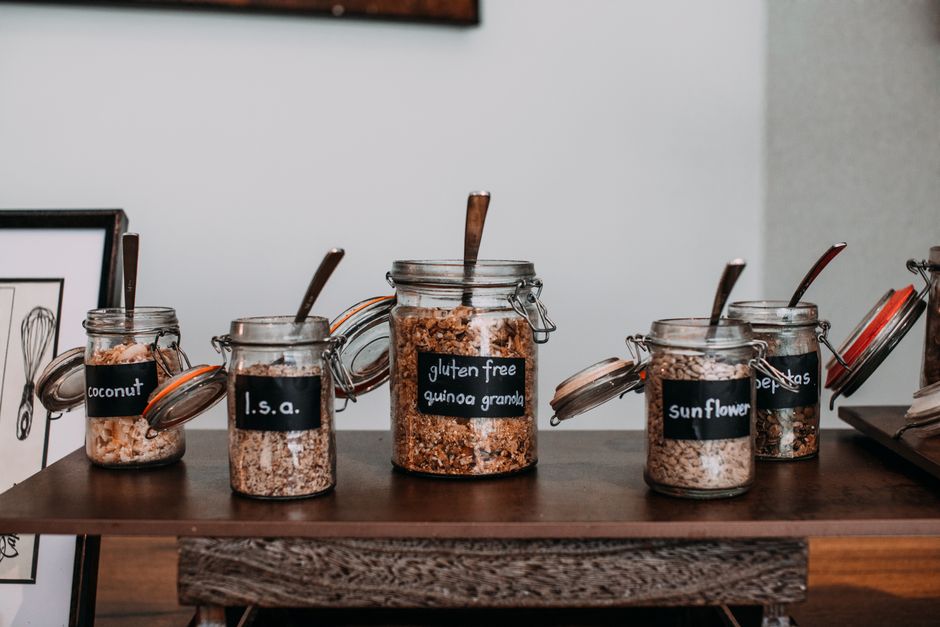
Cereal and breakfast foods often contain gluten. Many cold cereals use wheat, barley, or malt flavoring. Hot cereals like cream of wheat are made from wheat. Granola frequently contains oats that may be contaminated, and many granola bars are made with wheat flour.
Snack foods can be deceptive. Pretzels are made from wheat. Many crackers, including saltines and wheat thins, contain gluten. Some potato chips and tortilla chips are flavored with wheat-based seasonings or malt vinegar.
Beer is made from barley and contains gluten. Standard beers, ales, and lagers are off-limits on a gluten-free diet. Gluten-free beers made from sorghum, rice, or millet are available, and some breweries produce specially processed beers that reduce gluten content.
Where Is Gluten Hidden in Processed Foods?
Gluten is a common additive in processed foods because it improves texture, thickens sauces, and acts as a stabilizer. You will find it in places you might not expect.
Sauces and condiments are frequent offenders. Soy sauce is made from fermented wheat. Many salad dressings, marinades, gravies, and barbecue sauces use wheat flour as a thickener. Malt vinegar, which is made from barley, contains gluten. Even some ketchups and mustards may include wheat-derived ingredients.
Soups and broths often rely on wheat flour for thickness. Canned soups, boxed broths, and restaurant soups may all contain gluten. Bouillon cubes and seasoning mixes are common sources as well.
Processed meats can contain gluten as a filler or binder. Sausages, hot dogs, lunch meats, meatballs, and breaded chicken are all potential sources. Imitation crab meat frequently contains wheat starch. Always check labels on processed meats, especially if you buy them from a deli counter where cross-contamination is possible.
Seasoning blends and spice mixes sometimes use wheat flour as an anti-caking agent. This includes taco seasoning, onion soup mix, and many dry rubs. Even some plain spices may be processed in facilities that handle wheat.
Flavored coffees and teas are less common sources, but some flavored coffee syrups and instant coffee mixes contain barley malt. Likewise, some herbal teas use barley or rye as an ingredient.


What About Foods That Are Not Obvious Gluten Sources?
Some foods are naturally gluten-free but become contaminated during processing or preparation. This is called cross-contact, and it matters for people with celiac disease.
French fries are made from potatoes, which are gluten-free. But many restaurants fry them in the same oil as breaded chicken or onion rings. That shared oil introduces gluten into the fries. The same issue applies to fried foods at any establishment that does not use separate fryers.
Oats deserve a special mention. Pure oats are safe for most people with celiac disease. But most commercial oats are grown in fields that rotate with wheat and processed in facilities that also handle wheat. Unless the label says gluten-free, assume the oats contain cross-contact gluten.
Rice and corn are naturally gluten-free, but flavored rice mixes and seasoned corn products often contain wheat. Plain rice and corn are safe. The moment they are combined with seasonings, sauces, or other grains, you need to read the label.
Licorice is a surprising source. Many licorice candies use wheat flour as a main ingredient. This includes both black and red licorice varieties. Other candies may use wheat-based glucose syrup or coloring agents.
Communion wafers are made from wheat and contain gluten. Special gluten-free versions are available, but you may need to request one in advance.
How Can You Identify Gluten on a Food Label?
Reading labels is the most reliable way to determine whether a food contains gluten. Food manufacturers are required to list wheat as an allergen on packaged foods in the United States. This makes wheat easier to spot than barley or rye, which are not always declared.
Look for the words wheat, barley, rye, malt, and brewer’s yeast in the ingredient list. Malt is always derived from barley and contains gluten. Brewer’s yeast is a byproduct of beer production and may contain gluten.
Be aware of ingredients that sound unfamiliar but contain gluten. These include:
- Hydrolyzed wheat protein
- Modified wheat starch
- Wheat germ or wheat bran
- Farina
- Graham flour
- Semolina
- Spelt or kamut
Some products carry a gluten-free label. In the United States, the Food and Drug Administration regulates this claim. A product labeled gluten-free must contain less than 20 parts per million of gluten. This level is considered safe for most people with celiac disease.
Products without a gluten-free label may still be safe, but you must verify the ingredients yourself. When in doubt, contact the manufacturer directly.
Which Foods Are Naturally Gluten-Free?
Many whole foods contain no gluten at all. Building your diet around these foods is the simplest way to avoid gluten.
Fruits and vegetables are always gluten-free in their natural state. Fresh produce, frozen produce without added sauces, and canned fruits in their own juice are all safe.
Meat, poultry, and fish are gluten-free when they are unprocessed and unseasoned. Plain chicken breast, ground beef, pork chops, and fresh fish contain no gluten. The risk comes from marinades, breading, and seasoning blends.
Eggs and dairy are naturally gluten-free. Milk, butter, cheese, and yogurt are safe in their plain forms. Flavored yogurts and cheese spreads may contain additives with gluten, so check labels.
Legumes, nuts, and seeds are gluten-free. This includes beans, lentils, chickpeas, almonds, walnuts, and chia seeds. Be cautious with roasted nuts that may use wheat-based seasonings.
Gluten-free grains include rice, corn, quinoa, millet, sorghum, buckwheat, and amaranth. These grains can replace wheat in most recipes. Gluten-free flours made from these grains, plus almond flour and coconut flour, are widely available.
What Does a Gluten-Free Diet Actually Mean?
A gluten-free diet means eliminating all foods that contain wheat, barley, and rye. For people with celiac disease, this is not a lifestyle choice. It is a medical treatment. Even small amounts of gluten can trigger an autoimmune response that damages the small intestine.
For people with non-celiac gluten sensitivity, the diet is also necessary to manage symptoms, but the consequences of accidental exposure are less severe. Symptoms may include bloating, abdominal pain, fatigue, and brain fog.
Following a gluten-free diet takes practice. You will need to read every label, ask questions at restaurants, and learn to identify hidden sources. Over time, this becomes routine. Many people find that eating whole, unprocessed foods is the easiest way to stay gluten-free.
The gluten-free food market has grown significantly in recent years. You can now find gluten-free bread, pasta, pizza, and snacks in most grocery stores. These products are convenient, but they are not always healthier than their gluten-containing counterparts. Many gluten-free processed foods are higher in sugar and fat to compensate for the change in texture. A gluten-free diet is healthiest when it centers on naturally gluten-free whole foods.
Frequently Asked Questions
Is rice gluten-free?
Yes, rice is naturally gluten-free in all forms, including white, brown, basmati, and jasmine rice. However, flavored rice mixes may contain wheat-based seasonings, so check the label.
Does oatmeal contain gluten?
Pure oats are gluten-free, but most commercial oats are contaminated with wheat, barley, or rye during processing. Only eat oats that are certified gluten-free if you have celiac disease.
Can I eat french fries on a gluten-free diet?
Plain french fries are gluten-free, but restaurant fries may be cooked in shared fryers with breaded foods. Ask the restaurant if they use a dedicated gluten-free fryer.
Is soy sauce gluten-free?
Traditional soy sauce contains wheat and is not gluten-free. Tamari is a gluten-free alternative made without wheat, but check the label because some brands add wheat.
