
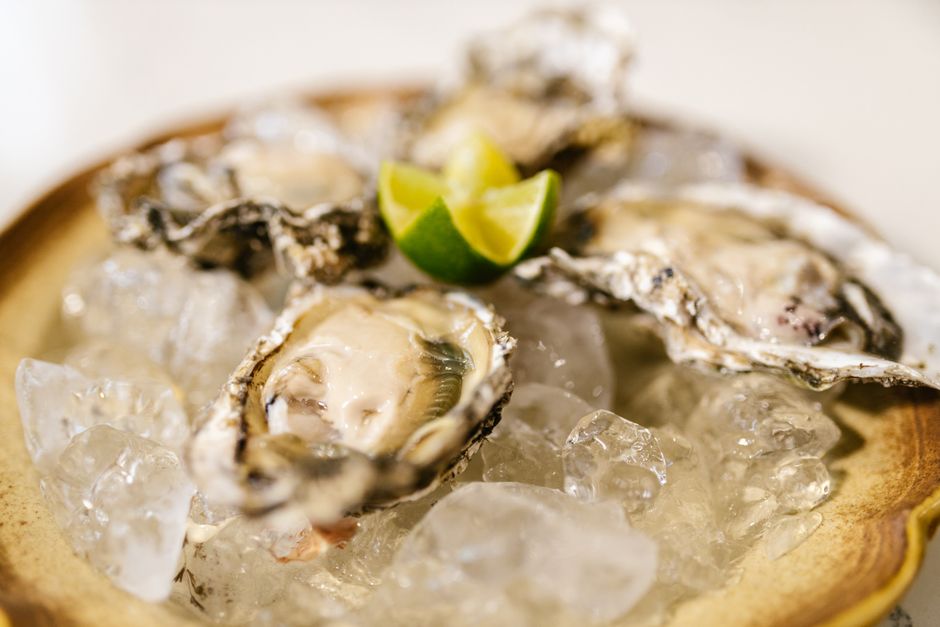
If you want the single food with the most zinc per serving, oysters win by a wide margin. A standard serving of just three cooked oysters provides around 30 to 40 milligrams of zinc. That is more than three times the daily recommended intake for most adults. No other food comes close to that concentration naturally.
Which Foods Have the Highest Zinc Content?
Oysters are the clear leader, but several other foods are excellent sources. Red meat and poultry provide substantial amounts. A three-ounce serving of beef chuck roast gives you about 7 milligrams of zinc. That is roughly 60 percent of the daily value for an adult.
Crab and lobster are also strong seafood options. A three-ounce serving of cooked crab contains around 6.5 milligrams. Pork chops and chicken legs offer similar amounts, though the exact number depends on the cut and cooking method.
For plant-based eaters, the options are different. Pumpkin seeds provide about 2.2 milligrams per ounce. Hemp seeds and flaxseeds are close behind. Chickpeas, lentils, and beans contain zinc but in lower amounts. A cup of cooked chickpeas has roughly 2.5 milligrams.
Here is a quick comparison of common sources:
| Food | Zinc per Serving |
|---|---|
| Oysters (3 oz cooked) | 30-40 mg |
| Beef chuck roast (3 oz) | 7 mg |
| Crab (3 oz cooked) | 6.5 mg |
| Pumpkin seeds (1 oz) | 2.2 mg |
| Chickpeas (1 cup cooked) | 2.5 mg |
| Cashews (1 oz) | 1.6 mg |
How Much Zinc Do You Actually Need Each Day?
The National Institutes of Health sets the recommended dietary allowance for zinc. Adult men need 11 milligrams per day. Adult women need 8 milligrams. Pregnancy and breastfeeding raise that number to 11 or 12 milligrams daily.
These numbers assume you are eating a mixed diet. If you eat mostly plant foods, your body absorbs zinc less efficiently. Plant foods contain phytates, which bind to zinc and reduce absorption. The NIH notes that vegetarians may need up to 50 percent more zinc than meat eaters.
Most people in the United States get enough zinc from food. According to the CDC, only about 2 percent of adults have zinc intake below the estimated average requirement. Older adults and people with digestive conditions are more likely to fall short.
Does the Body Absorb Zinc From Plants and Meat the Same Way?
No. Zinc from animal foods is absorbed more easily. This is because animal proteins do not contain phytates. The body can take in about 20 to 40 percent of the zinc from animal sources. Plant sources typically provide only 10 to 20 percent absorption.
Some studies suggest that cooking, soaking, or sprouting beans and seeds can lower phytate levels. Fermentation also helps. Sourdough bread, for example, has less phytate than regular bread. These methods can improve zinc absorption from plant foods.
This does not mean plant sources are useless. It just means you need to eat more of them. A person eating a vegan diet might need to consume 15 to 20 milligrams of zinc from food daily to match the absorption of someone eating 11 milligrams from meat.




What Food Has Most Zinc if You Cannot Eat Oysters?
If oysters are not an option, red meat is your next best bet. Beef, lamb, and bison all provide high amounts per serving. A three-ounce serving of cooked lamb shoulder gives about 8 milligrams. That is nearly the full daily requirement for a woman.
Pork is also a strong choice. Pork chops provide around 4 to 6 milligrams per serving depending on thickness. Chicken and turkey offer less, but dark meat has more zinc than white meat. A chicken leg contains about 2.5 milligrams.
For non-meat eaters, the best options are seeds and nuts. Pumpkin seeds, hemp seeds, and cashews top the list. Fortified breakfast cereals are another option. Many cereals provide 3 to 5 milligrams of zinc per serving. Check the label because amounts vary by brand.
Can You Get Too Much Zinc From Food?
Getting too much zinc from food alone is very hard. The upper limit for adults is 40 milligrams per day. You would need to eat oysters every single day to approach that level. Even then, most people would not hit it.
Zinc supplements are a different story. Taking more than 40 milligrams of zinc from supplements can cause nausea, vomiting, and stomach pain. Long-term high doses can lower copper levels in the body. The NIH warns that some people take zinc supplements for colds without realizing the risk of copper deficiency.
Stick to food sources. They provide zinc in safe amounts along with other nutrients your body needs. If you think you need a supplement, talk to a doctor first. Do not assume more is better.
What Are the Signs You Might Not Be Getting Enough Zinc?
Zinc deficiency is uncommon in the United States but it does happen. The symptoms are not always obvious. Slow wound healing is one early sign. You might also notice hair loss, frequent infections, or a loss of taste and smell.
Some groups are more at risk. People with Crohn’s disease or ulcerative colitis absorb zinc poorly. Older adults often eat less zinc-rich food. Pregnant women need more zinc than usual. Vegetarians and vegans need to be intentional about their intake.
If you are worried, a blood test can check your zinc levels. Do not guess. The symptoms of low zinc overlap with many other conditions. A simple test from your doctor gives you a clear answer.
Common Misconceptions About Zinc in Food
A common claim online is that spinach or kale is high in zinc. This is not accurate. These vegetables contain trace amounts, less than 1 milligram per cup. You would need to eat several pounds of spinach to match one serving of meat.
Another myth is that all shellfish are equally high in zinc. Shrimp and clams contain far less than oysters. Shrimp has about 1.5 milligrams per three-ounce serving. Clams have around 2.5 milligrams. They are decent sources but not exceptional.
Dark chocolate is sometimes listed as a zinc source. It does contain some, about 1 milligram per ounce of 70 percent cacao. That is not nothing, but it is not a reliable way to meet your needs. Do not rely on chocolate for your zinc intake.
Frequently Asked Questions
What food has the most zinc per ounce?
Oysters have the most zinc per ounce of any food. A single cooked oyster provides around 10 to 13 milligrams.
Can you get enough zinc from a plant-based diet?
Yes but you need to eat more zinc-rich plant foods and prepare them to reduce phytates. Seeds, beans, and fortified cereals are the best options.
Is it safe to eat oysters every day for zinc?
It is safe for most people but not necessary. Eating oysters a few times per week provides plenty of zinc without risk.
Does cooking destroy zinc in food?
No, zinc is a mineral and does not break down with heat. Cooking can change water content and concentration but does not destroy zinc.
