
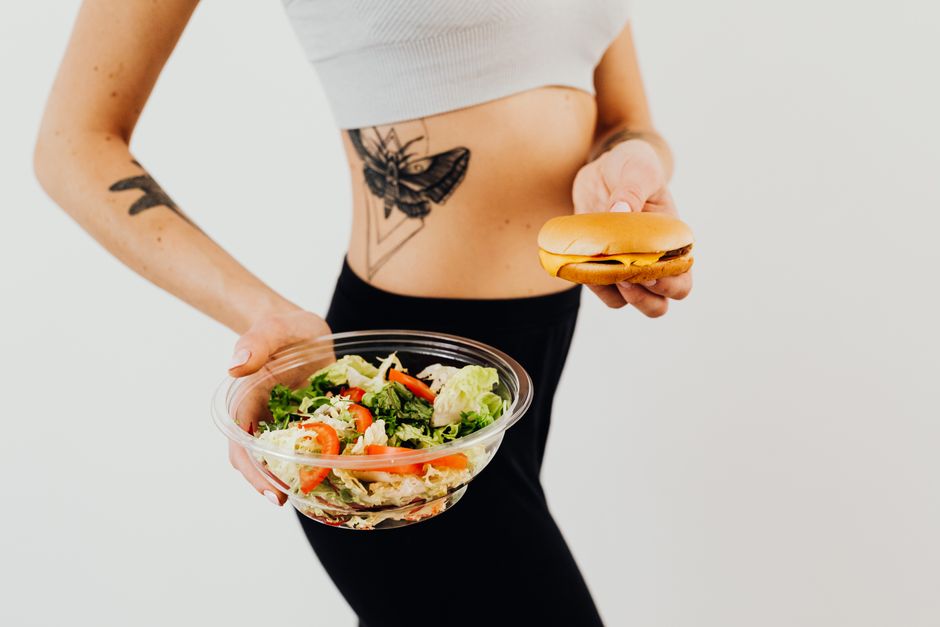
Banning junk food sounds like a simple fix for a complicated problem. It is not. History shows that prohibiting foods people want tends to push demand underground, create black markets, and remove the one tool that actually changes eating habits over time: clear, honest information. Most public health researchers who study food policy argue that regulation, labeling, pricing, and education do more good than outright bans.
That does not mean junk food is harmless. It means the evidence points toward managing the problem rather than trying to erase it.
Why Junk Food Should Not Be Banned Explained
Bans on specific foods have a track record, and it is not a good one. When a government makes a food illegal, three things tend to happen: people find ways to get it anyway, a black market forms, and the food becomes more dangerous because it is no longer regulated for safety.
Alcohol prohibition in the United States is the clearest historical example. Consumption did not stop. Illegal production and distribution grew, and the product people consumed was sometimes contaminated or far stronger than what had been sold legally. The same pattern appears with other prohibited substances. Prohibition changes who sells something and how safely it is made. It rarely changes whether people want it.
There is also a practical problem. “Junk food” is not a clearly defined category. A candy bar is easy to label. But what about white bread, flavored yogurt, fruit juice, granola bars, or a burrito from a fast-food chain? Nearly every definition of junk food relies on thresholds for added sugar, sodium, saturated fat, or calories. Those thresholds are arbitrary and shift depending on who sets them.
A ban would need a line. Every food near that line becomes a fight. Food companies would reformulate products just enough to sit on the legal side while keeping them just as appealing. The result is a lot of regulatory effort for very little change in what people actually eat.
What Does the Evidence Say About Food Bans and Public Health?
The evidence on banning specific foods to improve population health is limited and mixed. Few countries have attempted full bans on broad food categories, so there is not much real-world data to draw from.
What researchers do have is data on narrower policies. Taxes on sugary drinks have been studied more than most interventions. Some studies suggest these taxes reduce purchases of the taxed drinks, particularly when the tax is significant. What is less clear is whether people switch to water or simply switch to another sweetened product that is not taxed. The evidence on whether these taxes produce measurable improvements in health outcomes like obesity rates is weaker and still debated.
Restrictions on marketing food to children show a similar pattern. Some studies indicate that limiting advertising reduces children’s requests for specific products. Whether that translates into lasting changes in diet or body weight is not well established.
None of this means regulation does not work. It means the evidence supports targeted, measurable policies more than sweeping bans. A tax has a number attached. A ban has a border, and borders invite workarounds.
Why Do People Eat Junk Food in the First Place?
Understanding why people choose these foods matters, because a policy that ignores the reasons tends to fail. The drivers are not simply weak willpower.
- Cost. Highly processed foods are often cheaper per calorie than fresh produce. For households with tight budgets, this is not a small factor.
- Access. Some neighborhoods have few or no grocery stores within reasonable distance. When the closest food source is a convenience store, that shapes what is available.
- Time. Preparing meals from scratch takes time many people do not have. Convenience foods fit into a working day.
- Biology. Foods high in sugar, fat, and salt are rewarding. The brain responds to them in ways that can encourage repeat eating. This is normal physiology, not a character flaw.
- Marketing. Food advertising is heavily weighted toward processed products. People are exposed to these messages constantly.
A ban addresses none of these drivers directly. It removes the product from the shelf while leaving the reasons people reached for it untouched. That is part of why bans tend to produce displacement rather than change — people do not stop wanting the food, they just have to work harder to get it.



What Happens When You Ban Something People Want?
The mechanics of prohibition are well documented across many products. When supply is cut off but demand remains, several predictable things follow.
First, a black market emerges. Unregulated sellers step in to meet demand. The product they sell is not subject to food safety standards, labeling requirements, or quality control. In the case of food, that could mean contaminated ingredients, unknown allergens, or unsafe storage. The ban would remove the oversight that makes regulated food safer.
Second, the price rises. When something is scarce and illegal, it costs more. That pushes the product further out of reach for lower-income households while doing little to stop wealthier buyers. A policy meant to protect the most vulnerable could end up protecting them least.
Third, enforcement becomes a burden. Policing what people eat requires inspectors, investigators, and courts. Those resources have to come from somewhere. The question of whether that is the best use of public health funding is a fair one.
None of this is a reason to do nothing. It is a reason to be honest about what a ban would actually accomplish, which is usually less than its supporters expect and more disruption than its opponents admit.
What Works Better Than Banning Junk Food?
Policies that change the food environment without removing choice tend to have more support and more measurable effects. The evidence for each varies, so it is worth being precise about what is well established and what is not.
Labeling and transparency. Requiring clear nutrition information, including added sugar content, gives people tools to make their own decisions. Whether labels change behavior on their own is debated, but they do not create black markets and they do not punish anyone for choosing differently.
Pricing signals. Taxes on sugary drinks have reduced purchases in some settings, though the size of the effect and its impact on health outcomes remain under study. Subsidies that make healthier foods cheaper are also being tested, with some encouraging early results.
Improving access. Bringing grocery stores, farmers markets, or fresh food options into underserved areas addresses one of the real drivers of junk food consumption. The evidence on whether this alone changes diets is mixed, but it removes a genuine barrier.
School food standards. Changing what is served in schools reaches children directly and does not require policing families. Some studies suggest improved school meals can shift what children eat during the school day. Whether those habits carry into adulthood is less clear.
Marketing restrictions aimed at children. Limiting advertising of high-sugar and high-fat products during children’s programming is one of the more targeted options. Some countries have done this, and some research suggests it reduces children’s exposure to these messages.
The common thread is that these approaches work with human behavior rather than against it. They assume people will make choices, and they try to make the better choice easier.
Is Junk Food Actually Addictive?
This is one of the most debated questions in nutrition science, and the honest answer is that it depends on how you define addiction.
Research on highly processed foods shows they can trigger reward pathways in the brain similar to those involved in substance use. Some researchers argue that certain products meet criteria used to define addictive substances, particularly when they combine refined sugar, fat, and salt in ways not found in whole foods. Other researchers push back, noting that food is necessary for survival in a way drugs are not, and that most people who eat junk food do not develop a clinical addiction.
What is clear is that these foods are highly rewarding and can be hard to moderate for some people. That is different from saying everyone who eats them is addicted. The distinction matters for policy. If junk food is a substance to be banned, the response looks one way. If it is a rewarding but manageable part of the food supply, the response looks different — and the second framing fits the evidence better.
It also matters for how we talk about people who eat these foods. Framing it as addiction can be useful for some and stigmatizing for others. There is no single right way to describe it.
Do Other Countries Ban Junk Food?
Very few do, and the ones that restrict food tend to target specific ingredients or marketing rather than whole categories.
Some countries have placed limits on trans fats, which are well established as harmful to heart health. That is a targeted ingredient restriction with strong evidence behind it, not a ban on junk food as a category. Several countries have also restricted advertising of certain foods to children or required front-of-package warning labels for products high in sugar, sodium, or saturated fat.
These measures are narrower than a ban and easier to evaluate. They also tend to have more public support because they do not take products off the shelf entirely. A warning label tells you something. A ban tells you no.
No country has successfully banned junk food as a broad category and documented a lasting improvement in population health as a result. That absence of evidence is not proof that it cannot work. It is a reason to be cautious about claiming it would.
What Is the Bottom Line?
Banning junk food treats a complex problem as a simple one. It assumes that removing the product removes the demand, and the historical record does not support that assumption. It also assumes there is a clear line between junk food and everything else, and there is not.
The stronger case is for policies that make the food environment healthier without criminalizing what people eat. Labeling, pricing, access, school meals, and targeted marketing rules all have limitations. None of them is a complete solution. But they work within a system where people still make choices, and they can be adjusted as evidence comes in.
That is the real argument. Not that junk food is fine, but that banning it is a blunt tool for a problem that needs precision.
Frequently Asked Questions
Why shouldn’t junk food be banned?
Bans tend to push demand underground, create black markets, and remove food safety oversight without changing what people want to eat. Targeted policies like labeling, pricing, and access improvements have a stronger evidence base and fewer unintended consequences.
Has banning junk food ever worked in any country?
No country has banned junk food as a broad category and documented lasting health improvements as a result. Some countries have restricted specific ingredients like trans fats or limited marketing to children, which are narrower and better supported by evidence.
Is junk food as addictive as drugs?
Highly processed foods can trigger reward pathways in the brain, and some researchers argue certain products meet criteria for addictive substances. Others dispute this, and the question remains debated in nutrition science.
What should be done instead of banning junk food?
Policies that change the food environment without removing choice tend to have more support and clearer effects. These include nutrition labeling, taxes on sugary drinks, improved food access, and school meal standards.
