
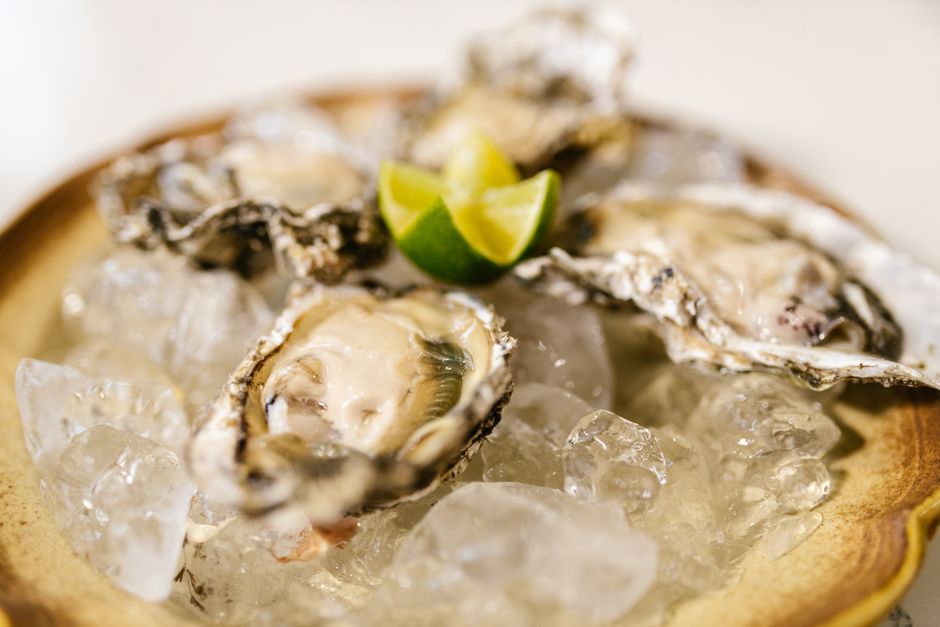
Oysters contain more zinc per serving than any other food, but you do not need shellfish to meet your needs. Red meat, poultry, beans, nuts, seeds, and fortified cereals all supply meaningful amounts. Zinc is a mineral your body cannot store, so it has to come from food or supplements on a regular basis.
Your body uses zinc for immune function, wound healing, DNA production, and the sense of taste and smell. Most adults need it daily, and deficiency is more common than many people realize, especially in older adults and people who avoid animal foods.
What Foods Have Zinc In?
The richest sources are animal foods, but several plant foods deliver solid amounts too. Here is how common foods compare.
| Food | Typical zinc per serving |
|---|---|
| Oysters, cooked (3 oz) | About 74 mg |
| Beef, cooked (3 oz) | About 5–7 mg |
| Chicken, dark meat (3 oz) | About 2–3 mg |
| Pumpkin seeds (1 oz) | About 2 mg |
| Cashews (1 oz) | About 1.5 mg |
| Chickpeas, cooked (1 cup) | About 2.5 mg |
| Fortified breakfast cereal (1 serving) | Varies, often 2–15 mg |
Oysters are an outlier. A single serving can exceed the daily requirement for an adult several times over. Beef, lamb, and dark poultry meat are reliable everyday sources. Beans, lentils, and whole grains contribute zinc, but the body absorbs less of it from these foods.
Fortified cereals can be a major source for people who eat them, but the amount varies widely by brand. Check the label rather than assuming.
How Much Zinc Do You Need Each Day?
Most adult men need 11 mg per day and most adult women need 8 mg, according to established dietary reference values from the National Institutes of Health. Requirements rise during pregnancy and breastfeeding. The recommended intake during pregnancy is about 11 mg, and during breastfeeding about 12 mg.
Women need less than men mainly because of body size and differences in how the body handles the mineral. These are general reference figures for healthy people. People with certain medical conditions or on specific medications may have different needs, and a clinician can advise on that.
For children, the requirement changes with age. No single number fits every child. If you are concerned about a child’s intake, a pediatrician is the right person to ask rather than working from a general table.
Why Does Your Body Need Zinc?
Zinc supports hundreds of enzyme reactions in the body. It plays a direct role in immune cell function, in healing wounds, and in how cells grow and divide. It also affects your sense of taste and smell.
Because it is involved in so many processes, low zinc can show up in different ways. Common signs include slow wound healing, frequent infections, and a reduced sense of taste or smell. Hair loss and skin problems are also reported.
These symptoms are not specific to zinc. Many conditions cause them, so symptoms alone cannot confirm a deficiency. A blood test ordered by a clinician is the way to check.




Which Foods Help Your Body Absorb Zinc Best?
Animal foods are the best source not just because they contain more zinc, but because your body absorbs it more easily from them. The zinc in meat, poultry, and seafood is absorbed efficiently.
Plant foods contain compounds called phytates, found in whole grains, legumes, and seeds. Phytates bind to zinc and reduce how much your body takes in. This does not make these foods bad choices. It means you may need more of them to reach the same intake.
Some practical points:
- Soaking, sprouting, and fermenting beans and grains can lower phytate content.
- Pairing plant zinc sources with a little animal protein can improve absorption.
- Very high doses of iron or calcium supplements can compete with zinc absorption.
That last point matters for people who take multiple supplements. Taking large amounts of one mineral can interfere with another. This is one reason to avoid self-prescribing high doses without guidance.
Who Is Most at Risk of Low Zinc?
Certain groups are more likely to fall short. Older adults often eat less and may absorb nutrients less efficiently. People who follow vegetarian or vegan diets can be at higher risk because plant zinc is harder to absorb.
People with digestive conditions that affect nutrient absorption, such as inflammatory bowel disease, may also be at risk. So can people who have had certain types of weight-loss surgery. Heavy alcohol use increases zinc loss through urine.
Pregnant and breastfeeding women have higher needs, so they warrant attention too. Anyone in these groups who is concerned should talk with a clinician rather than guessing at a supplement dose.
Can You Get Too Much Zinc?
Yes. Zinc is safe in the amounts found in food, but high-dose supplements can cause problems. The tolerable upper intake level for adults is 40 mg per day from supplements, not from food.
Going above that on a regular basis can interfere with copper absorption, which can lead to a copper deficiency over time. It can also cause nausea, and long-term excess may affect other systems. This is why more is not better with this mineral.
Food sources are unlikely to push you over the limit on their own. The risk comes mainly from supplements, especially when taken at high doses for long periods without medical supervision.
Do You Need a Zinc Supplement?
Most healthy adults who eat a varied diet do not need one. Food sources are usually enough to meet daily needs. Supplements are generally reserved for people with a confirmed deficiency or a clear risk of one.
Zinc supplements are sometimes used for short periods to support immune function during a cold, but the evidence on how well they work is mixed. Some studies suggest a benefit when taken early, while others show little effect. The results vary, and timing and dose appear to matter. This is not a reason to take high doses on your own.
If you think you need a supplement, a clinician can help you decide on a form and amount. Zinc comes in several forms, and they are not identical. Taking it with food can reduce stomach upset.
The Bottom Line on Zinc in Food
Oysters are the standout source, but beef, poultry, beans, nuts, seeds, and fortified cereals all contribute. The best approach is variety. Animal foods give you zinc your body absorbs easily, while plant foods add more but with lower absorption.
Pay attention to who you are. Older adults, people on plant-based diets, and pregnant or breastfeeding women may need to be more deliberate about intake. Supplements have a place, but they are easy to overdo. Food first, and a clinician’s input when you are unsure.
Frequently Asked Questions
What foods have the most zinc?
Oysters contain more zinc per serving than any other food, far exceeding what most people need in a day. Beef, lamb, and dark poultry meat are the next strongest everyday sources.
Are eggs a good source of zinc?
Eggs contain some zinc, but far less than meat or seafood, so they are a minor source rather than a main one. They can still contribute to your daily intake as part of a varied diet.
How much zinc do you need daily?
Most adult men need about 11 mg per day and most adult women need about 8 mg, with higher needs during pregnancy and breastfeeding. These are general reference figures for healthy adults.
Can you get too much zinc from food?
It is very unlikely to get too much zinc from food alone. The risk of excess comes mainly from high-dose supplements taken over long periods.
