

If you want the single best food source of magnesium, look at seeds, nuts, and dark leafy greens. Pumpkin seeds lead the pack, followed closely by almonds, cashews, peanuts, and cooked spinach. Beans, whole grains, and dark chocolate also deliver meaningful amounts. The catch is that most Americans still fall short of the recommended daily intake, which ranges from about 310 to 420 mg per day for adults depending on age and sex.
Magnesium is involved in more than 300 enzyme reactions in the body, including energy production, muscle and nerve function, blood pressure regulation, and blood sugar control. It is not a nutrient you can afford to ignore. Yet surveys consistently show that a large share of adults in the US consume less than the recommended amount. The good news is that food sources are abundant and easy to work into everyday meals.
What Food Has A Lot Of Magnesium?
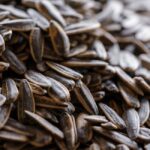
Pumpkin seeds sit at the top of the list. A single ounce — roughly a handful — provides around 150 mg of magnesium, which is close to half of what most adults need in a day. That makes them one of the most magnesium-dense foods you can eat without much effort.
Other standout sources include:
- Almonds — about 80 mg per ounce
- Cashews — about 74 mg per ounce
- Peanuts and peanut butter — about 50 mg per ounce of nuts
- Cooked spinach — about 157 mg per cup
- Swiss chard and other cooked greens — roughly 150 mg per cup
- Black beans — about 120 mg per cup
- Edamame — about 100 mg per cup
- Dark chocolate (70–85% cocoa) — about 65 mg per ounce
- Cooked quinoa — about 118 mg per cup
- Cooked brown rice — about 84 mg per cup
The pattern here is not random. Magnesium sits at the center of the chlorophyll molecule, which is why the greenest foods — spinach, chard, beet greens — tend to be rich sources. Seeds and nuts concentrate it because the plant packs minerals into the seed to support a new plant’s growth. That biological logic explains why these categories keep showing up at the top of every list.
How Much Magnesium Do You Actually Need?
Adults need between 310 and 420 mg of magnesium per day. The exact number depends on age and sex. Men generally need more than women, and needs rise slightly with age.
Here is how the recommended daily allowance breaks down for adults:
- Men ages 19–30: 400 mg
- Men ages 31 and older: 420 mg
- Women ages 19–30: 310 mg
- Women ages 31 and older: 320 mg
Pregnant women need slightly more — 350 to 360 mg depending on age. These figures come from the National Institutes of Health, which sets dietary reference intakes for the US population.
To put this in perspective: one cup of cooked spinach plus one ounce of pumpkin seeds gets you to roughly 300 mg. Add a half-cup of black beans at dinner and you have covered a full day’s requirement without supplements. It is genuinely achievable through food alone.
Why Do So Many People Fall Short?
Magnesium deficiency is uncommon in healthy people eating varied diets, but subclinical shortfall — getting less than the recommended amount without obvious symptoms — is widespread. National survey data suggests a substantial portion of US adults consume below the estimated average requirement.
Several factors drive this:
- Refined grains — milling strips away the bran and germ, where most magnesium lives. White flour has only a fraction of the magnesium found in whole wheat.
- Low vegetable intake — most adults do not eat enough dark leafy greens.
- Processed foods — they dominate calorie intake for many people but contribute little magnesium.
- Certain medications — proton pump inhibitors, diuretics, and some other drugs can increase magnesium loss.
- Gastrointestinal conditions — Crohn’s disease, celiac disease, and chronic diarrhea can impair absorption.
- Alcohol use — heavy drinking increases urinary magnesium excretion.
Type 2 diabetes is another factor worth knowing about. High blood sugar causes the kidneys to excrete more magnesium, and low magnesium levels in turn are associated with worse insulin sensitivity. It is a two-way relationship that researchers are still working to fully untangle.



Which Foods Have the Most Magnesium Per Serving?
Comparing foods side by side makes the choices clearer. The table below uses standard serving sizes and reflects values from the USDA FoodData Central database.
| Food | Serving | Magnesium (mg) |
|---|---|---|
| Pumpkin seeds (roasted) | 1 oz | ~150 |
| Spinach (cooked) | 1 cup | ~157 |
| Swiss chard (cooked) | 1 cup | ~150 |
| Black beans (cooked) | 1 cup | ~120 |
| Quinoa (cooked) | 1 cup | ~118 |
| Edamame (cooked) | 1 cup | ~100 |
| Almonds | 1 oz | ~80 |
| Cashews | 1 oz | ~74 |
| Dark chocolate (70–85%) | 1 oz | ~65 |
| Peanut butter | 2 tbsp | ~50 |
| Avocado | 1 medium | ~58 |
| Salmon (cooked) | 3 oz | ~26 |
One thing this table makes obvious: plant foods dominate. Animal products contain magnesium, but at much lower levels. If you are looking for a single food to boost your intake, pumpkin seeds are hard to beat. If you want a full meal that covers most of your daily need, a spinach salad with black beans, quinoa, and a handful of almonds gets you there.
Does Cooking Destroy Magnesium?
Cooking does not destroy magnesium. It is a mineral, and minerals are not broken down by heat the way some vitamins are. What cooking can do is leach magnesium into the water you cook with.
Boiling vegetables causes some mineral loss because magnesium dissolves into the cooking water. Steaming, sautéing, or roasting preserves more. If you boil spinach or beans, you lose a portion of the magnesium to the water — unless you use that water in a soup or stew, which recovers some of it.
This is a minor concern in practice. The losses from boiling are modest, and the foods highest in magnesium are often eaten raw or lightly cooked anyway. Nuts and seeds are typically eaten as-is. Spinach can be eaten raw in salads. The bigger issue for most people is simply not eating enough of these foods in the first place.
Are Magnesium Supplements Better Than Food?
Food is the preferred source for most people. The body regulates magnesium absorption from food efficiently — it absorbs more when you need it and less when you do not. This built-in regulation makes it very difficult to overdose on magnesium from food alone.
Supplements behave differently. They can be useful for people with confirmed deficiency, those taking medications that deplete magnesium, or individuals with conditions that impair absorption. But they also carry risks. High-dose magnesium supplements can cause diarrhea, nausea, and abdominal cramping. In people with kidney disease, supplemental magnesium can accumulate to dangerous levels because the kidneys cannot clear the excess.
The evidence on magnesium supplements for specific health outcomes is mixed. Some studies suggest benefit for blood pressure, blood sugar control, and migraine prevention. Other studies show little or no effect. The research is genuinely unsettled, and no supplement has been shown to reliably prevent or treat major diseases in people who are not deficient.
If you are considering a supplement, talk to your doctor first — especially if you have kidney problems or take prescription medications. Magnesium can interfere with certain drugs, including some antibiotics and osteoporosis medications.
Can You Get Too Much Magnesium From Food?
No. The kidneys filter out excess magnesium and excrete it in urine, so food sources do not cause toxicity in healthy people. This is one of the reasons dietary magnesium is considered safe at any reasonable intake.
The tolerable upper limit for magnesium from supplements is 350 mg per day for adults. That limit does not apply to food. It exists because supplements bypass the body’s normal absorption controls and can push blood levels higher than intended.
The most common side effect of too much supplemental magnesium is diarrhea. This is actually how some laxatives and antacids work — magnesium draws water into the intestines. It is uncomfortable but rarely dangerous in people with normal kidney function. For those with kidney disease, however, even moderate supplemental doses can be hazardous.
Frequently Asked Questions
What food is highest in magnesium?
Pumpkin seeds are the highest common food source, providing about 150 mg per ounce. Cooked spinach is close behind at roughly 157 mg per cup.
Are bananas a good source of magnesium?
Bananas contain magnesium, but only about 32 mg per medium fruit. That is far less than seeds, nuts, or leafy greens, so they are not a top source.
How can I get 400 mg of magnesium a day from food?
Combine a cup of cooked spinach, an ounce of pumpkin seeds, and a half-cup of black beans. That combination provides roughly 400 mg and covers a full day’s requirement for most adults.
Is it better to take magnesium at night or in the morning?
There is no strong evidence that timing matters for absorption. Some people find magnesium helpful for sleep, but clinical research on this is limited and results vary.
