
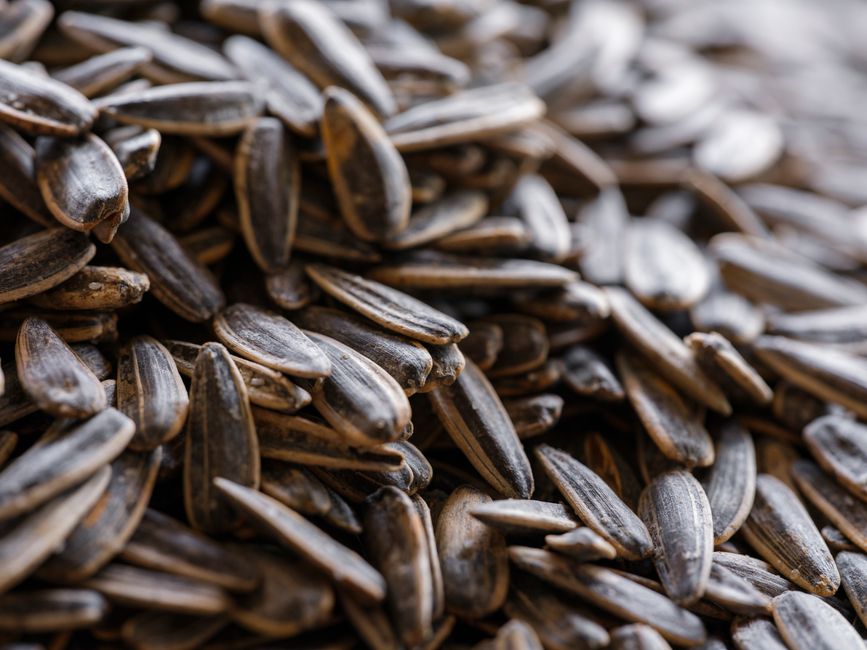
Magnesium is found in a wide range of everyday foods, and the richest sources are nuts, seeds, whole grains, legumes, and dark leafy greens. Pumpkin seeds, almonds, cashews, peanuts, spinach, and black beans rank among the top sources by magnesium content per serving. Magnesium is an essential mineral your body needs for more than 300 enzyme reactions, including those that regulate blood sugar, blood pressure, and muscle and nerve function.
What Is Magnesium Found In Top Food Sources?
If you want to know which foods deliver the most magnesium, start with seeds and nuts. Pumpkin seeds lead the pack, followed closely by almonds, cashews, and peanuts. Whole grains, beans, and leafy greens round out the list. These foods share one thing in common: they are minimally processed, which matters because refining strips magnesium out of grains.
Here is a look at magnesium content in some of the top food sources, based on USDA nutritional data. Values are approximate and vary by variety, soil, and preparation.
| Food | Serving | Magnesium (approx.) |
|---|---|---|
| Pumpkin seeds (roasted) | 1 ounce | 150 mg |
| Almonds | 1 ounce | 80 mg |
| Cashews | 1 ounce | 74 mg |
| Peanuts | 1 ounce | 48 mg |
| Spinach (cooked) | 1/2 cup | 78 mg |
| Black beans (cooked) | 1/2 cup | 60 mg |
| Edamame (cooked) | 1/2 cup | 50 mg |
| Brown rice (cooked) | 1/2 cup | 42 mg |
| Salmon (cooked) | 3 ounces | 26 mg |
| Avocado | 1 medium | 58 mg |
These numbers are not a ranking of “best” foods in any absolute sense. They show where magnesium is concentrated. A food with slightly less magnesium but a larger typical serving can still contribute more to your day.
Which Nuts and Seeds Have the Most Magnesium?
Seeds and nuts are the most magnesium-dense foods you can eat. Pumpkin seeds sit at the top, with roughly 150 mg per ounce. That is close to half the daily magnesium requirement for an average adult.
Other strong choices include:
- Almonds — about 80 mg per ounce
- Cashews — about 74 mg per ounce
- Peanuts — about 48 mg per ounce
- Flaxseeds — about 40 mg per tablespoon, ground
- Chia seeds — about 40 mg per ounce
- Sesame seeds — about 30 mg per tablespoon
One practical note: roasting does not destroy magnesium. The mineral is stable under heat. What does reduce magnesium is processing that removes the outer layer of the seed or grain, because that is where much of the mineral sits.
If you eat a handful of mixed nuts and seeds most days, you are likely getting a meaningful share of your magnesium from that habit alone.
Are Leafy Greens a Good Source of Magnesium?
Yes, and spinach is the standout. A half cup of cooked spinach provides about 78 mg of magnesium. That is more than most people would guess for a vegetable.
Other greens contribute too, though usually in smaller amounts per serving:
- Swiss chard — roughly 75 mg per half cup cooked
- Kale — about 12 mg per half cup cooked
- Collard greens — about 10 mg per half cup cooked
Spinach and chard pull ahead because they are naturally higher in magnesium. Kale is a fine food but not a major magnesium source on its own.
One thing worth knowing: leafy greens also contain compounds called oxalates, which can bind to magnesium and reduce how much your body absorbs from that particular food. This does not make greens a poor choice. It simply means the magnesium you absorb from spinach is less than the label number suggests. Nuts, seeds, and grains do not have this issue to the same degree.




Do Whole Grains and Beans Provide Magnesium?
Whole grains and legumes are reliable, everyday magnesium sources. They are also affordable and easy to work into meals.
Cooked black beans deliver around 60 mg per half cup. Edamame, lentils, and chickpeas fall in a similar range. Among grains, brown rice, oats, and quinoa each provide meaningful amounts, while refined white rice and white bread lose most of their magnesium during processing.
The refining point matters more than many people realize. When a grain is stripped of its bran and germ, the magnesium goes with it. Choosing brown rice over white, or whole wheat over white bread, can roughly double or triple the magnesium you get from the same food.
Beans and grains also contain phytates, which can slightly reduce mineral absorption. Soaking beans before cooking and choosing fermented grain products like sourdough can help somewhat, though the effect is modest.
What About Fruits, Vegetables, and Other Foods?
Several fruits and vegetables contribute magnesium, though usually in smaller amounts than nuts, seeds, or greens. Avocado is one of the better fruit sources, at around 58 mg for a medium fruit. A medium banana provides about 32 mg. Potatoes with the skin on add a useful amount, while peeling removes much of it.
Other foods with meaningful magnesium include:
- Salmon and other fatty fish
- Plain yogurt and milk
- Dark chocolate (higher cocoa content means more magnesium)
- Tofu made with magnesium-based coagulants
Some foods are fortified with magnesium, including certain breakfast cereals and plant-based milk alternatives. Check the label, since fortification varies widely by brand and product.
How Much Magnesium Do You Need Each Day?
The recommended daily allowance for magnesium varies by age and sex. For most adults, the target is roughly 310 to 420 mg per day, with men generally needing more than women. Requirements rise during pregnancy.
Most people in the United States do not meet the recommended intake through food alone, though true magnesium deficiency is uncommon in healthy adults. The gap between “not meeting the recommendation” and “clinically deficient” is important. A shortfall may not produce obvious symptoms, but consistently low intake over time has been linked in research to health concerns.
Food sources are generally preferred over supplements for meeting daily needs, because food provides magnesium alongside other nutrients. Supplements can be useful in specific situations, but they also carry a risk of digestive upset and, at high doses, more serious effects. Anyone considering a supplement should talk with a healthcare provider first, especially people with kidney problems.
Does Cooking or Processing Affect Magnesium?
Cooking does not destroy magnesium. The mineral is heat-stable, so boiling, roasting, or steaming will not break it down. What can happen is that magnesium leaches into cooking water. If you boil vegetables and then drain the water, you lose some magnesium down the sink.
Processing is the bigger issue. Refining grains removes the bran and germ, where most of the magnesium is stored. This is why whole grains consistently outperform their refined counterparts. Milling, polishing, and peeling all reduce magnesium content to varying degrees.
A few practical points:
- Steam or sauté vegetables instead of boiling and draining them
- Keep the skins on potatoes and other vegetables when possible
- Choose whole grain breads, pasta, and rice over refined versions
- Soak beans and discard the soaking water before cooking
None of these steps is dramatic on its own. Together they help you hold onto more of the magnesium already present in your food.
Why Does Magnesium Matter for Your Body?
Magnesium is involved in more than 300 enzyme systems in the body. It helps regulate muscle and nerve function, blood sugar levels, and blood pressure. It also plays a structural role in bone, where a large share of the body’s magnesium is stored.
Because it touches so many systems, low magnesium intake has been studied in relation to a range of conditions, including type 2 diabetes, high blood pressure, and heart disease. The evidence here is largely observational, meaning it shows associations rather than proof that low magnesium causes these conditions. Some clinical trials suggest magnesium may help lower blood pressure modestly, but results vary and the effect is generally small.
What is well established is that severe magnesium deficiency causes clear symptoms, including muscle cramps, fatigue, and abnormal heart rhythms. This level of deficiency is rare in healthy people eating a varied diet. It is more likely in certain groups, such as people with digestive disorders, heavy alcohol use, or those taking certain medications that deplete magnesium.
Frequently Asked Questions
What food has the highest magnesium?
Pumpkin seeds are one of the richest sources, with about 150 mg of magnesium per ounce. Almonds, cashews, spinach, and black beans are also among the top sources.
Are bananas a good source of magnesium?
Bananas contain magnesium, but only about 32 mg in a medium fruit, which is modest compared with nuts, seeds, and leafy greens. They are a helpful contributor but not a top source.
Does cooking destroy magnesium in food?
No, magnesium is heat-stable and is not destroyed by cooking. However, boiling and then draining vegetables can leach some magnesium into the water, which is then poured away.
How much magnesium do adults need daily?
Most adults need roughly 310 to 420 mg per day, with men generally needing more than women and needs rising during pregnancy. Food sources are the preferred way to meet this target.
