
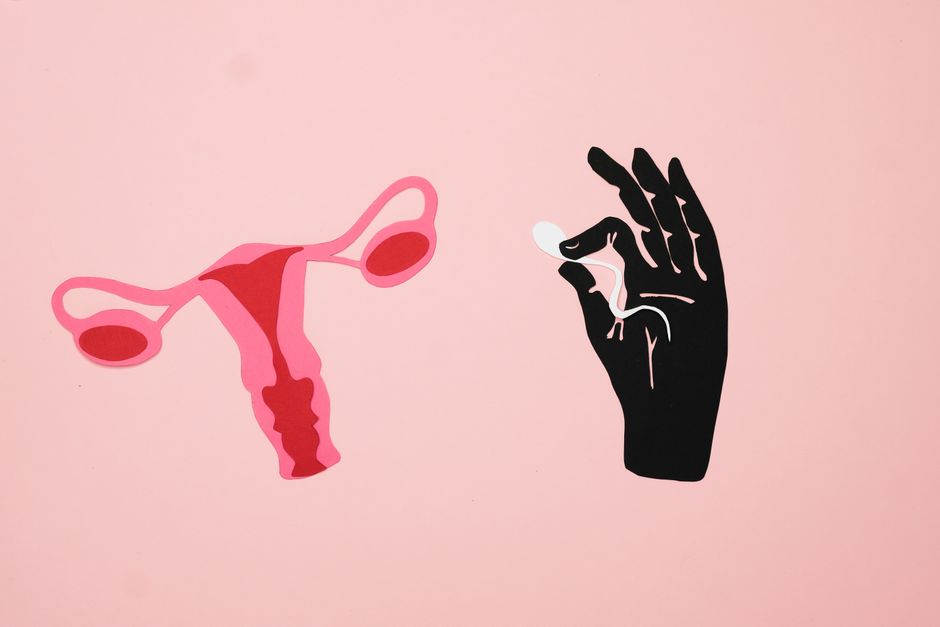
Fertile days are the days in a menstrual cycle when pregnancy is possible if sperm meets an egg. They center on ovulation, when an ovary releases an egg, and they include the several days before it. That window exists because sperm can survive in the reproductive tract for up to about five days, while the egg lives roughly 12 to 24 hours after release.
The fertile window is usually described as the five days before ovulation plus the day of ovulation itself. Timing varies widely between people and between cycles in the same person. Body signs such as cervical mucus changes, basal body temperature shifts, and urine hormone tests can help narrow down when ovulation is likely.
What Fertile Days Mean And How To Identify Them
Fertile days are the days when intercourse can lead to pregnancy. The biology is straightforward: an egg must be released, sperm must reach it, and the timing has to overlap.
Ovulation splits the menstrual cycle into two phases. The follicular phase runs from the first day of bleeding until ovulation. The luteal phase runs from ovulation to the next period and is fairly consistent in most people, typically around 14 days, though normal variation exists. That means ovulation timing is what shifts cycle length, not the luteal phase.
The fertile window opens before ovulation because sperm wait in the cervix and fallopian tubes. Once ovulation happens, the egg’s viable life is short. This asymmetry is why the days before ovulation matter as much as the day itself.
Identifying the window relies on indirect signs. No at-home method directly observes ovulation in real time. Each method estimates it, and each has limits.
How Long Does The Fertile Window Last?
The fertile window is generally about six days: the five days before ovulation and the day of ovulation. Pregnancy is most likely from intercourse in the two to three days before ovulation, based on studies of conception timing.
That six-day estimate comes from research on sperm survival and egg viability. Sperm survival varies between people and depends on cervical mucus quality. In fertile mucus, sperm can remain viable for several days. Without fertile mucus, survival drops sharply.
The egg itself is the tighter constraint. After release, it remains capable of being fertilized for roughly 12 to 24 hours. Some sources describe a slightly longer window, but the practical point is the same: the egg’s window is short, and the days before ovulation carry most of the opportunity.
This is why couples trying to conceive are often advised to have intercourse every one to two days during the fertile window rather than trying to pinpoint a single perfect day.
How Can You Track Ovulation With A Calendar?
Calendar tracking estimates ovulation by counting backward from the next expected period. It works best for people with regular cycles and is unreliable for anyone with irregular cycles.
The method assumes a luteal phase of about 14 days. If cycles run 28 days, ovulation is estimated around day 14. If cycles run 32 days, the estimate moves to around day 18. The math shifts with cycle length because the luteal phase is assumed stable.
Calendar estimates have a real weakness: they predict, they do not confirm. Ovulation can shift by several days from cycle to cycle, even in people with regular periods. Stress, illness, travel, and sleep changes can delay it.
Calendar tracking is a reasonable starting point. It becomes more useful when combined with body signs rather than used alone.





What Body Signs Signal Fertile Days?
Cervical mucus changes are the most useful body sign for most people. As estrogen rises before ovulation, the cervix produces increasing amounts of clear, slippery, stretchy mucus sometimes compared to raw egg white. This type of mucus helps sperm survive and travel.
After ovulation, progesterone rises and mucus becomes thicker, cloudier, and less abundant. Tracking this pattern over several cycles helps many people recognize their own fertile pattern.
Basal body temperature is another sign, but with an important limitation. It rises slightly after ovulation due to progesterone, typically by a few tenths of a degree Fahrenheit. That shift confirms ovulation has happened, but it appears after the fertile window has largely passed. It is better for confirming that ovulation occurred than for timing intercourse.
Other signs some people notice include:
- Mild one-sided pelvic pain around ovulation, sometimes called mittelschmerz
- Breast tenderness or bloating after ovulation
- A slight increase in libido around the fertile window
- Light spotting around ovulation in some cycles
These signs are inconsistent. Many people ovulate without noticing any of them, and noticing them does not confirm ovulation occurred.
Do Ovulation Predictor Kits Work?
Ovulation predictor kits detect a surge in luteinizing hormone (LH) in urine. The LH surge typically precedes ovulation by about 24 to 36 hours, which makes these tests more useful for timing than temperature tracking.
The tests have limits. They detect the surge, not the release of the egg. A positive result means ovulation is likely soon, not that it has happened. Some people have LH surges without releasing an egg, and some health conditions can cause elevated LH that produces misleading results.
For people with conditions such as polycystic ovary syndrome (PCOS), ovulation predictor kits can be less reliable. Some clinicians recommend additional tracking methods in that situation. Testing once daily may miss a short surge in some people, so some clinicians suggest testing more than once a day around the expected window.
Digital tests that measure estrogen along with LH are also available. They cost more and may offer a slightly earlier warning, but the evidence that they improve pregnancy rates compared with standard LH tests is limited.
How Accurate Are Fertility Tracking Methods?
No at-home method is perfectly accurate, and accuracy varies by method and by person. The table below summarizes how each approach works and its main limitation.
| Method | What It Detects | Main Limitation |
|---|---|---|
| Calendar tracking | Estimated ovulation date | Assumes regular cycles; does not confirm ovulation |
| Cervical mucus tracking | Rising estrogen before ovulation | Subjective; requires learning over cycles |
| Basal body temperature | Progesterone rise after ovulation | Confirms ovulation only after the fertile window |
| Urine LH tests | LH surge before ovulation | Predicts, does not confirm; less reliable in PCOS |
| Digital hormone tests | Estrogen and LH changes | Higher cost; limited evidence of better outcomes |
Combining methods generally improves accuracy. Mucus tracking plus LH tests, for example, gives both a body sign and a hormonal signal. Temperature tracking adds confirmation after the fact.
One clarification worth knowing: fertility tracking apps are only as good as the data entered. An app that predicts ovulation from past cycle lengths is doing calendar math, not measuring hormones. Apps that incorporate temperature or test results are estimating from those inputs. Neither observes ovulation directly.
When Should You Talk To A Doctor About Fertility?
Talk to a doctor if you have been trying to conceive for 12 months without success, or for 6 months if you are 35 or older. Those timelines reflect general clinical guidance and are widely used.
Seek evaluation sooner if cycles are very irregular, absent, or unusually long. Irregular ovulation is a common cause of difficulty conceiving, and conditions such as PCOS and thyroid disorders can affect it. Very short cycles, very heavy bleeding, or pain during intercourse also warrant a conversation.
If you have a known condition that affects fertility, such as endometriosis or a history of pelvic infection, mention it early. Some clinicians recommend earlier evaluation in those situations.
Tracking fertile days is a tool, not a diagnosis. If tracking consistently shows no signs of ovulation, that is information worth bringing to a clinician. It does not confirm a problem on its own, but it is a reasonable reason to ask.
Frequently Asked Questions
How many days are you fertile each month?
The fertile window is generally about six days: the five days before ovulation plus the day of ovulation. Most pregnancies result from intercourse in the few days before ovulation rather than on the day itself.
Can you get pregnant on days you think are not fertile?
Yes, because ovulation timing can shift from cycle to cycle and calendar estimates are not exact. Sperm survival of up to about five days also means intercourse several days before ovulation can still lead to pregnancy.
Does a positive ovulation test mean you are ovulating that day?
No. A positive LH test means the surge has started, and ovulation typically follows within about 24 to 36 hours. The test predicts ovulation rather than confirming it.
Can you ovulate without noticing any signs?
Yes. Many people ovulate with no noticeable mucus changes, pain, or other symptoms. Body signs are helpful when present but their absence does not mean ovulation did not occur.
