
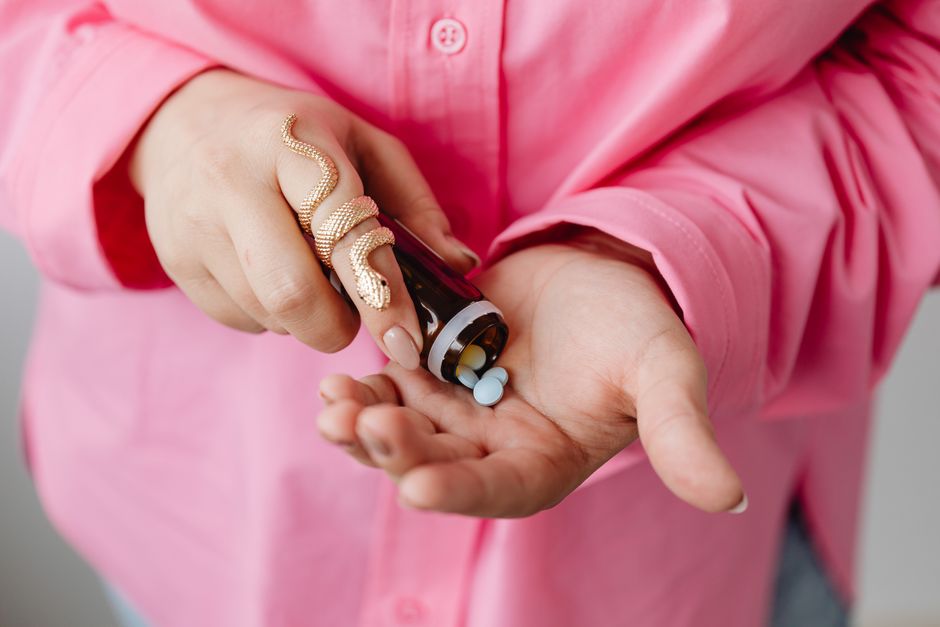
Walk into any pharmacy or scroll through social media, and you will see pills promising to melt fat while you sleep. The truth is simpler and less exciting: no pill burns fat directly in a way that produces meaningful weight loss on its own. Most fat burning supplements contain stimulants that slightly increase calorie burn, or fibers that make you feel full. The evidence for significant, sustained weight loss from any of these products is weak. What actually works is still the unglamorous combination of calorie control and physical activity, with medication reserved for specific medical situations.
What Fat Burning Pills Actually Work Fact Vs Hype?
The honest answer is that no over-the-counter fat burning pill has strong clinical evidence for producing significant weight loss. The market is full of products that sound impressive but fail in controlled studies. A few prescription medications have real evidence behind them, but these are not available without a doctor’s oversight and are not the same as the supplements you see advertised online.
Most supplements work through one of two mechanisms. They either contain stimulants like caffeine that slightly raise your metabolic rate, or they contain fibers that expand in your stomach to reduce appetite. Both effects are real but small. The typical result is a few extra pounds lost over several months, not the dramatic transformations marketing suggests.
Why Do Fat Burning Pills Usually Fail?
The biology of weight loss works against these products. Your body tightly regulates its energy balance. When you reduce calories, your metabolism slows down to compensate. This is a survival mechanism, not a flaw. Most supplements cannot override this system in a meaningful way.
Another issue is that many supplements contain ingredients at doses far below what studies used. A product might list green tea extract on the label, but the amount present may be too small to have any measurable effect. Independent testing has repeatedly found that some supplements do not even contain the ingredients listed on their labels.
There is also the placebo effect to consider. People who take fat burning pills often change their eating habits at the same time. They attribute their weight loss to the pill when the real cause was the behavior change. This makes it hard to know what actually works without controlled trials.
What Ingredients Have Any Evidence?
Caffeine is the most studied compound in fat burning supplements. It does increase energy expenditure and can slightly suppress appetite. The effect is real but modest. A cup of coffee before a workout might help you exercise harder, which indirectly supports weight loss, but caffeine alone does not cause meaningful fat loss.
Green tea extract contains catechins that may have a small effect on metabolism. Some studies suggest a modest increase in calorie burning, but the effect is small and may not translate to significant weight loss over time. The evidence is not strong enough to recommend green tea extract as a weight loss tool.
Fiber supplements like glucomannan absorb water and expand in the stomach. This can reduce appetite and help you eat less. Some research supports this effect, but results vary. Fiber is generally safe and has other health benefits, so it may be worth trying if you struggle with hunger between meals.
Conjugated linoleic acid, or CLA, was popular for years as a fat burner. Research shows it may produce a very small reduction in body fat, but the effect is not clinically meaningful for most people. Some studies also suggest potential side effects, so the risk may not be worth the minimal benefit.




Prescription Medications That Have Real Evidence
Several prescription medications have strong evidence for weight loss. These are not supplements. They are regulated drugs that require a doctor’s prescription and monitoring. They work through different mechanisms, such as reducing appetite or blocking fat absorption.
One class of drugs called GLP-1 receptor agonists has shown impressive results in clinical trials. These medications mimic a hormone that regulates appetite and digestion. People taking these drugs often lose significantly more weight than those on placebo. However, they come with side effects and are expensive. They are not a magic solution either, and weight often returns when people stop taking them.
Another older medication works by blocking the absorption of dietary fat. This drug produces modest weight loss but can cause unpleasant digestive side effects if you eat high-fat meals. It has been available for decades and has a well-established safety profile when used appropriately.
These medications are not for everyone. They are typically reserved for people with obesity or those with weight-related health conditions. A doctor makes this decision based on your medical history and individual circumstances. These drugs are not available over the counter for good reason.
How To Spot Hype In Fat Burning Claims
Marketing language can tell you a lot about a product’s legitimacy. Claims that sound too good to be true usually are. Phrases like “melt fat overnight” or “lose 10 pounds in a week” are not supported by any credible evidence. If a product promised these results, it would not need to advertise.
Be wary of products that rely on before-and-after photos or celebrity endorsements. These are marketing tools, not scientific evidence. Personal testimonials are not data. A single person’s experience tells you nothing about whether a product works for most people.
Check whether the product has been studied in controlled clinical trials. A controlled trial compares the product against a placebo, with neither the researchers nor participants knowing who received what. This is the gold standard for determining whether a treatment actually works. If a product has not been studied this way, there is no reliable evidence for its effectiveness.
Also be aware that “natural” does not mean safe or effective. Many natural compounds have no evidence behind them. Some can interact with medications you are already taking. Always tell your doctor about any supplements you use, especially if you have underlying health conditions.
What Actually Works For Fat Loss
The evidence is overwhelming that a sustained calorie deficit is what causes fat loss. You need to consume fewer calories than your body burns. This can be achieved through diet changes, increased physical activity, or both. There is no shortcut around this basic principle.
Protein is the most satiating macronutrient. Eating adequate protein helps preserve muscle mass during weight loss and keeps you feeling full. Fiber also helps with fullness. Vegetables, fruits, and whole grains provide fiber along with essential nutrients.
Resistance training is important during weight loss. It signals your body to preserve muscle while losing fat. Cardio burns calories and improves cardiovascular health. The best exercise plan includes both.
Sleep matters more than most people realize. Poor sleep disrupts hormones that regulate appetite. People who sleep poorly tend to eat more and crave high-calorie foods. Prioritizing sleep is a legitimate weight loss strategy.
Stress management also plays a role. Chronic stress raises cortisol levels, which can promote fat storage, particularly around the abdomen. Finding ways to manage stress, whether through exercise, meditation, or other activities, supports weight loss efforts.
Are Fat Burning Pills Safe?
Safety depends on the specific product and your individual health status. Stimulant-based supplements can raise heart rate and blood pressure. People with heart conditions, high blood pressure, or anxiety disorders should be especially cautious. Some products have been linked to liver damage, though these are often the ones that were later banned.
The supplement industry is not regulated the same way as prescription drugs. Manufacturers do not need to prove their products are safe or effective before selling them. The FDA only takes action after a product causes harm. This means you are essentially taking a risk when you try an unproven supplement.
Some supplements contain hidden ingredients that are not listed on the label. Independent testing has found prescription drugs, stimulants, and other compounds in products marketed as natural supplements. This is a serious safety concern, especially if you take other medications.
If you are pregnant, breastfeeding, or planning surgery, you should avoid fat burning supplements entirely. There is no reliable safety data for these populations, and the potential risks outweigh any possible benefit.
When To See A Doctor About Weight Loss
If you have tried diet and exercise changes without success, or if you have a significant amount of weight to lose, talk to a doctor. They can evaluate your overall health and discuss whether prescription weight loss medications are appropriate for your situation. They can also check for underlying conditions that might be affecting your weight.
Medical weight loss is not a sign of failure. Obesity is a chronic disease that often requires medical treatment. Just as you would see a doctor for high blood pressure or diabetes, you can see a doctor for weight management. The right approach depends on your individual circumstances.
Frequently Asked Questions
Do fat burning pills actually work?
No over-the-counter fat burning pill has strong evidence for meaningful weight loss. Prescription medications exist, but they require a doctor’s supervision and are not the same as supplements.
What is the most effective fat burning supplement?
Caffeine and fiber supplements have the most evidence, but their effects are modest. Neither produces significant weight loss on its own.
Are fat burning pills safe to take?
Some are safe for healthy adults, but stimulant-based products can raise heart rate and blood pressure. Supplements are not regulated like prescription drugs, and some contain hidden ingredients.
Can I lose belly fat with fat burning pills?
No pill targets belly fat specifically. Weight loss occurs throughout the body, and spot reduction is not supported by evidence.
