
You may have seen “THCA” on a cannabis product label and wondered what it is. The short answer: THCA stands for tetrahydrocannabinolic acid. It is the main chemical in raw cannabis that turns into THC when heated. THCA itself does not make you feel high. THC does. That single difference changes how people use cannabis and what effects they expect.
What Exactly Is THCA And How Is It Different From THC?
THCA is the acidic form of THC. In fresh, raw cannabis plants, the compound exists almost entirely as THCA. It has an extra carboxyl group (COOH) attached to its molecule. That extra group makes THCA non-psychoactive. It cannot bind effectively to the CB1 receptors in your brain the way THC does.
When you apply heat — smoking, vaping, baking, or even prolonged sunlight — THCA loses that carboxyl group in a process called decarboxylation. The molecule changes shape and becomes delta-9-tetrahydrocannabinol (THC). THC then fits into CB1 receptors and produces the classic “high.”
So the main difference is chemical structure and psychoactivity. THCA will not get you high. THC will.
How Does THCA Become THC?
Decarboxylation happens naturally over time, but heat speeds it up dramatically. At room temperature, dried cannabis slowly converts some THCA to THC over months or years. But the common way people trigger this change is by applying heat.
When you light a joint, the flame instantly decarboxylates THCA near the burn line. Vaporizers that heat cannabis to around 220–230°F (104–110°C) do the same thing without combustion. Cooking cannabis into butter or oil requires heating it in the oven first to activate the THC. Without that heat step, the THCA stays as THCA and the final product will not be psychoactive.
The conversion rate depends on time, temperature, and moisture. At 240°F (115°C) for about 30–40 minutes, most THCA converts to THC. Higher temperatures can destroy some THC, so controlled heating is important for consistent results.
Does THCA Have Any Effects On Its Own?
Because THCA does not bind strongly to CB1 receptors, it does not cause intoxication. But research suggests it may interact with other parts of the body. Early lab studies and animal research indicate that THCA has anti-inflammatory, antiemetic (reduces nausea), and neuroprotective properties. Some studies also show it may inhibit the growth of certain cancer cells in petri dishes.
It is important to be honest about the limits of this evidence. Most of what we know comes from laboratory experiments or animal models. No large, well-designed human trials have confirmed that THCA is an effective treatment for any specific condition. Some people report using raw cannabis juice or THCA tinctures for chronic pain, arthritis, or nausea, but those reports are anecdotal.
Researchers are still studying whether THCA works differently when taken orally versus applied topically. At this point, the evidence is promising but not conclusive.





What Forms Of Cannabis Contain THCA?
Any raw cannabis plant material contains THCA. Fresh buds, leaves, and trichomes (the resin glands) all hold THCA as the dominant cannabinoid. In live plants, only trace amounts of THC are present — usually less than 1%.
When cannabis is dried and cured for smoking or vaping, THCA slowly converts to THC. But even well-cured flower still contains some THCA. The ratio depends on the strain and how it was handled.
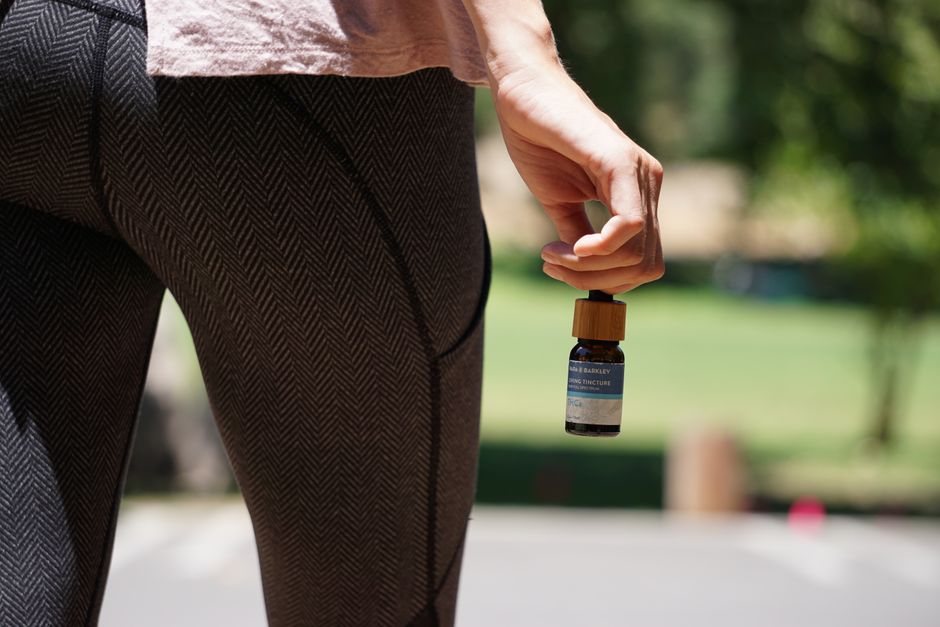
Products marketed as “raw cannabis” or “cannabis juice” aim to preserve THCA. Some people juice fresh cannabis leaves and buds to consume THCA without getting high. THCA also appears in some tinctures, capsules, and topicals that have not been heated.
Concentrates like live resin or THCA isolate are made from fresh frozen cannabis. They contain very high levels of THCA — often 90% or more — and almost no THC until you heat them.
Is THCA Legal?
Legal status depends on where you live and how the law defines cannabis. In the United States, the 2018 Farm Bill made hemp (cannabis with less than 0.3% delta-9 THC by dry weight) federally legal. Since THCA is not delta-9 THC, some argue that THCA derived from hemp is legal. However, because THCA converts to THC when heated, regulators often treat it as a controlled substance.
Many states with legal adult-use or medical cannabis programs allow THCA products. But in states where cannabis is illegal, any product containing THCA could be considered a cannabis derivative and may be prohibited. The DEA has taken the position that THCA is a controlled substance because it is a precursor to THC. Law enforcement actions vary widely.
This is a rapidly changing legal area. If you are shopping for THCA products, check your local laws carefully. The legal landscape is not settled, and enforcement can be inconsistent.
What Does The Research Say About THCA?
Scientific interest in THCA has grown in recent years. Early studies suggest potential benefits in several areas:
- Anti-inflammatory effects: Lab studies show THCA reduces inflammation in certain cell models, which may be relevant for conditions like arthritis or inflammatory bowel disease.
- Neuroprotection: Animal research indicates THCA may protect nerve cells from damage, possibly relevant to neurodegenerative diseases like Parkinson’s or Huntington’s.
- Antiemetic effects: Some animal studies suggest THCA can reduce nausea and vomiting, similar to but perhaps distinct from THC’s effects.
- Antiproliferative properties: Test-tube studies have found that THCA can slow the growth of prostate cancer cells. This is very early research and does not mean THCA treats cancer in humans.
None of these findings have been confirmed in large human clinical trials. A few small human studies have looked at raw cannabis juice, but the results are preliminary. The National Institutes of Health has funded some research, but we are years away from knowing whether THCA works as well as or better than existing treatments.
Because THCA does not cause a high, it is being studied as a possible option for people who want cannabis benefits without intoxication. That includes children with epilepsy, older adults, and people who cannot tolerate THC’s side effects. But again, these are areas of ongoing research, not established medical recommendations.
How To Choose Between THCA And THC Products
Your choice depends on your goal. If you want the intoxicating effects of cannabis — for recreation or for symptom relief like pain, insomnia, or anxiety — you need THC. Products that have been heated (smoked, vaped, baked) contain mostly THC.
If you want to avoid getting high entirely, look for raw THCA products. These include fresh cannabis juice, unheated tinctures, capsules made from raw extract, and topicals. Read the label: it should list THCA content, not just total THC. Note that even raw products can contain small amounts of THC if they have been stored for a while.
Some products combine THCA with small amounts of THC for a balanced effect. This is common in “full-spectrum” extracts that preserve the plant’s natural cannabinoid profile. The ratio matters. If you are sensitive to THC, start with a product that is mostly THCA.
Because THCA is less studied than THC, there are no official dosing guidelines. If you try a THCA product, start with a low amount and see how your body responds. Keep in mind that THCA does not produce intoxication, so you will not feel an immediate change. Effects may be subtle or take time to notice.
Frequently Asked Questions
Will THCA show up on a drug test?
Yes, it can. Most drug tests look for THC metabolites, not THCA itself. But because THCA can convert to THC in the body or during storage, tests may register positive. If you are subject to drug testing, using THCA products carries a risk.
Can you eat raw cannabis to get THCA?
Yes, eating raw cannabis leaves or buds delivers THCA without a high. However, the body absorbs cannabinoids poorly through digestion. To improve absorption, raw cannabis is often juiced or blended into smoothies. Some people combine it with a fat source like oil or yogurt, since cannabinoids are fat-soluble.
Does THCA have any side effects?
Reported side effects are mild and rare. Some people experience drowsiness, dry mouth, or digestive upset. Because THCA does not bind to CB1 receptors, it does not cause anxiety, paranoia, or the rapid heart rate sometimes seen with high doses of THC. No serious adverse effects have been documented in studies, but long-term safety data is not available.
How is THCA different from CBD?
THCA and CBD are both non-psychoactive cannabinoids, but they come from different chemical pathways. THCA is the precursor to THC, while CBD comes from CBDA (cannabidiolic acid). Their effects and interactions with the body appear different. Research on THCA is much newer, while CBD has more human studies. Neither causes a high.
