
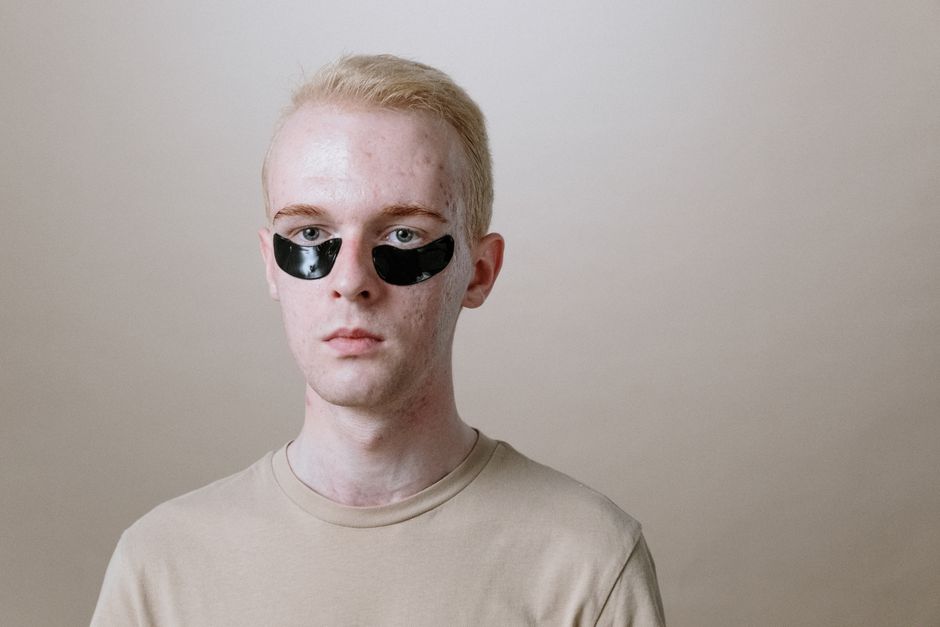
You see a whitehead in the mirror and your fingers start moving toward it before your brain catches up. Most people pop pimples too early, too hard, or when they should not touch them at all. The short answer is this: you should only pop a pimple when it has a visible white or yellow head, the skin around it is not red or swollen, and it has been sitting there for at least a day or two. If it hurts, feels deep, or has no head yet, leave it alone. Popping too early pushes bacteria deeper and makes things worse every time.
What Actually Happens When You Pop a Pimple?
A pimple forms when a pore gets clogged with oil, dead skin cells, and bacteria. Your body sends white blood cells to fight the bacteria, which causes inflammation. That is the redness and swelling you see.
When you squeeze a pimple, you are trying to force that contents out. If the pimple has a head, the opening is already there and the contents are close to the surface. The pressure pushes out the pus and oil with less damage to the surrounding skin.
If the pimple has no head, the contents are deeper. Squeezing can rupture the pore wall inward. That spreads bacteria and oil into the surrounding tissue. The result is more inflammation, a longer healing time, and often a darker spot that lasts for weeks.
Research published in the Journal of Investigative Dermatology found that mechanical stress on skin — which includes squeezing — can increase inflammation markers. Your body reacts to the damage by sending more inflammatory cells to the area. That is why a small pimple can turn into a red, angry bump after you mess with it.
When Should You Pop A Pimple? The Only Safe Scenario
The only pimple you should consider popping is a whitehead. That means a raised bump with a visible white or yellowish center. The skin around it should not be bright red or feel hot to the touch.
Here is the checklist you should run through before touching your face:
- Does it have a visible white or yellow head? If no, stop.
- Has it been there for at least 24 to 48 hours? If no, wait.
- Is the surrounding skin normal colored or only slightly pink? If it is bright red or swollen, leave it.
- Does it feel like it is close to the surface? If it feels deep or hurts when you barely touch it, do not pop it.
If all four answers are yes, you can consider popping it. But even then, the way you do it matters more than most people realize. Use a clean needle or lancet to gently pierce the head, then use clean tissue or cotton swabs to apply gentle pressure from the sides. Never use your fingernails. Never force it. If nothing comes out with light pressure, stop.
What Pimples You Should Never Pop
Some pimples are off limits no matter how tempting they look. Cystic acne is the most common one people get wrong. These are deep, painful bumps with no head. They form when the infection is deep under the skin.
Popping a cystic pimple does not release anything useful. The contents are too deep to reach. You just damage the tissue above it and create more inflammation. A single popped cystic pimple can leave a scar that lasts months or years.
Papules are another type to avoid. These are small red bumps that have no head. They are early stage pimples where the infection is still developing. Squeezing them does nothing useful and usually turns them into bigger problems.
Pustules that are very large or have a red halo around them are also risky. The red halo means significant inflammation. Popping these increases the chance of spreading the infection and leaving a dark spot called post-inflammatory hyperpigmentation.
The American Academy of Dermatology advises that any pimple in the “danger triangle” of your face — from the bridge of your nose to the corners of your mouth — should not be popped at home. The veins in this area connect to blood vessels that lead to your brain. While infections from popped pimples are rare, the consequences can be serious.




What the Research Says About Popping Pimples
There is surprisingly little high-quality research on pimple popping itself. Most dermatology advice comes from clinical experience rather than controlled trials. That does not mean the advice is wrong. It means the evidence is based on what dermatologists have observed over decades of treating patients.
One study published in the British Journal of Dermatology examined the effects of mechanical trauma on acne lesions. The researchers found that physical manipulation increased the production of inflammatory cytokines in the skin. In plain language, squeezing makes the skin more inflamed even if you get the contents out.
Another study in Dermatologic Surgery looked at how different extraction methods affected healing. The researchers found that using proper tools — like a comedone extractor — caused less tissue damage than using fingers. But even with tools, the skin still showed signs of trauma for several days.
What the research consistently shows is that the best approach is to avoid popping altogether when possible. Topical treatments like benzoyl peroxide or salicylic acid work by killing bacteria and drying out the pimple from the outside. They take longer but leave no scar.
The CDC does not track pimple popping injuries specifically, but dermatologists estimate that improper popping is a leading cause of acne scarring. A 2019 survey in JAMA Dermatology found that 87 percent of people with acne reported picking at their skin, and those who picked had significantly more scarring.
Safe Popping vs. Professional Extraction
There is a difference between popping a pimple at home and having a professional extraction done by an esthetician or dermatologist. Professional extractions use sterilized tools and techniques that minimize tissue damage.
Here is a comparison of the two approaches:
| Factor | Home Popping | Professional Extraction |
|---|---|---|
| Tool sterilization | Rarely done properly | Medical grade sterilization |
| Skin preparation | Usually none | Cleansed and steamed to open pores |
| Pressure control | Uncontrolled, often too much | Controlled, gentle pressure |
| Risk of scarring | Higher | Lower |
| Cost | Free | $50 to $150 per session |
Professional extractions are not magic. They still cause some inflammation. But the risk of pushing bacteria deeper is much lower because the esthetician knows exactly how much pressure to apply and when to stop.
If you have multiple pimples or frequent breakouts, seeing a professional is a better use of your time than trying to manage them all at home. A single extraction session can clear several pimples at once with much less damage.
What to Do Instead of Popping
If a pimple is not ready to pop, you have better options than waiting or squeezing. The goal is to reduce inflammation and speed up the natural healing process.
For pimples with no head, apply a spot treatment containing benzoyl peroxide or salicylic acid. Benzoyl peroxide kills bacteria and dries out the pimple. Salicylic acid helps unclog pores by breaking down the oil and dead skin cells blocking them.
For deep, painful pimples, a warm compress can help. Soak a clean cloth in warm water and hold it against the pimple for 10 to 15 minutes. This increases blood flow to the area and helps bring the infection to the surface faster. Do this two to three times a day.
Ice can reduce swelling for pimples that are red and inflamed. Wrap an ice cube in a thin cloth and hold it on the pimple for five minutes. Do not put ice directly on skin — it can cause frostbite.
Hydrocolloid patches are another option. These small adhesive patches stick to the pimple and absorb fluid overnight. They also create a barrier that stops you from touching the pimple while you sleep. Research shows they reduce healing time for whiteheads by keeping the area moist and protected.
Retinoids like adapalene, available over the counter, help prevent pimples from forming in the first place by speeding up skin cell turnover. They are not for active pimples but for preventing new ones. Use them at night and always wear sunscreen during the day because retinoids make skin more sensitive to the sun.
Common Misconceptions About Popping Pimples
One of the most common myths is that popping a pimple makes it heal faster. It can appear that way because the visible pus is gone. But underneath the skin, the inflammation is often worse. The pimple may look smaller, but the damage to the surrounding tissue means it takes longer to fully heal.
Another misconception is that toothpaste dries out pimples. Toothpaste contains ingredients like baking soda and alcohol that can irritate skin. It is not formulated for acne and often causes more redness and peeling than it helps. The same goes for lemon juice, which is acidic enough to damage the skin barrier.
Some people believe that if a pimple hurts, it needs to be popped. Pain usually means inflammation is present. Popping an inflamed pimple increases that inflammation. Pain is a sign to leave it alone, not to squeeze it.
There is also a belief that popping a pimple removes the “core” and prevents it from coming back. Pimples form because of clogged pores and bacteria. Removing the contents of one pimple does nothing to stop the underlying conditions that caused it. The same pore can clog again within days.
Frequently Asked Questions
Is it ever safe to pop a pimple at home?
Yes, but only if it is a whitehead with a visible head, no surrounding redness, and you use sterilized tools with gentle pressure. Stop immediately if nothing comes out easily.
What happens if I pop a pimple that has no head?
You push bacteria and oil deeper into the skin, which causes more inflammation and often leads to a larger, more painful pimple that takes longer to heal.
Can popping a pimple leave a permanent scar?
Yes, improper popping can damage the collagen in your skin and leave a permanent scar, especially with deep or cystic pimples that should not be touched at all.
How long does a pimple take to heal if I do not pop it?
Most whiteheads heal within three to seven days without popping, while cystic pimples can take two weeks or longer to fully resolve on their own.
