
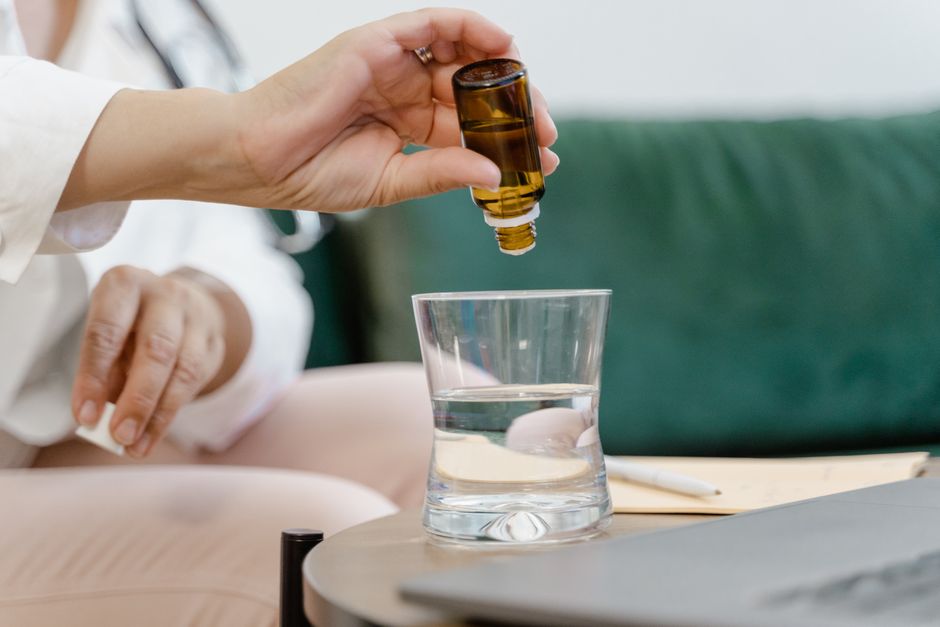
Essential oils are concentrated plant extracts that some people use to help manage feelings of anxiety and depression. Research shows that certain oils, particularly lavender, may offer modest benefits for anxiety symptoms, while the evidence for depression is much weaker and less consistent. Inhaling these oils through a diffuser or diluted on the skin appears to be the most common approach, but they should be seen as a complementary practice, not a replacement for professional mental health care.
What Does the Research Actually Say About Essential Oils?
The scientific evidence for essential oils is mixed, and it is important to be honest about that. Studies have found that lavender is the most studied oil for anxiety. Some clinical trials have shown that inhaling lavender can reduce anxiety in specific situations, such as before dental procedures or during stressful medical tests.
However, many of these studies are small. They often use different methods, which makes it hard to compare results. The evidence for using essential oils to treat depression is even thinner. Some animal studies suggest certain oils might affect brain chemistry, but that does not mean they work the same way in humans.
What is clear is that essential oils are not a cure for any mental health condition. No large, high-quality clinical trials have confirmed that any essential oil can treat depression or generalized anxiety disorder on its own. Some research suggests they may help with temporary stress or mild anxiety, but the effect is likely small.
What Essential Oils Are Good For Anxiety And Depression?
Lavender is the oil with the strongest evidence for anxiety relief. It has been studied more than any other essential oil for this purpose. Some research suggests that the scent of lavender can promote relaxation and reduce stress-related arousal in the body.
Other oils are commonly promoted for mood support, but the evidence is much weaker. These include:
- Bergamot — Some small studies suggest it may help reduce anxiety in certain settings, but the research is limited.
- Chamomile — Often used in teas for relaxation. As an essential oil, the evidence is mostly based on tradition rather than strong clinical trials.
- Frankincense — Frequently mentioned for mood, but there is no solid clinical evidence to support this use.
- Ylang-ylang — Some studies indicate it might lower stress responses, but the data is preliminary.
- Rose — A few small studies suggest it may help with relaxation, but the evidence is not strong.
The honest position is that lavender stands apart from the rest. For the other oils, the marketing far outpaces the science. If you enjoy the scent, using them is probably harmless when done safely. But do not expect them to treat depression or severe anxiety.
How Do Essential Oils Work for Mood?
When you inhale an essential oil, the scent molecules travel through your nose and interact with the olfactory system. This system connects directly to the limbic system, which is the part of the brain involved in emotions and memory. This is why certain smells can trigger strong emotional responses or vivid memories.
Some research suggests that certain scents, like lavender, may influence the nervous system. Studies have found that inhaling lavender can slow heart rate and lower blood pressure in some people. These physiological changes are associated with relaxation, which may explain why some people feel calmer after using it.
It is also worth noting that the act of pausing to use an essential oil can be relaxing in itself. Taking slow breaths while inhaling a pleasant scent may produce a calming effect that has nothing to do with the oil itself. This is not a reason to dismiss the practice, but it is a reason to be realistic about why it might help.




How to Use Essential Oils Safely
Essential oils are potent substances. They should never be swallowed. Ingesting essential oils can cause serious harm, including damage to the esophagus and liver. Some oils are toxic even in small amounts.
The two safest ways to use essential oils are inhalation and topical application. For inhalation, you can use a diffuser that disperses the oil into the air. You can also place a few drops on a tissue or cotton ball and breathe it in directly.
For topical use, you must dilute the oil with a carrier oil. Good carrier oils include jojoba, coconut, or sweet almond oil. A common guideline is to use about 3 to 5 drops of essential oil per tablespoon of carrier oil for adults. This reduces the risk of skin irritation.
Before applying any essential oil to your skin, do a patch test. Apply a small amount of the diluted oil to your inner forearm and wait 24 hours to see if any irritation develops. If you have sensitive skin or a history of allergies, be especially careful.
Who Should Avoid Essential Oils?
Some groups of people need to be especially cautious with essential oils. Pregnant women should talk to their healthcare provider before using essential oils. Some oils may stimulate uterine contractions or affect hormone levels. No clinical guidelines currently exist for the safe use of most essential oils during pregnancy.
People with asthma or respiratory conditions should also be careful. Strong scents can trigger asthma attacks or worsen breathing problems in some people. If you have asthma, use a diffuser in a well-ventilated room, or skip essential oils entirely.
Children and infants are more sensitive to essential oils. Many oils are not safe for young children, and some can cause breathing problems or skin reactions. Do not use essential oils on or around infants without guidance from a pediatrician.
People with epilepsy should avoid certain oils, including rosemary, sage, and eucalyptus. Some research suggests these oils may trigger seizures in susceptible people. If you have any medical condition, check with your doctor before using essential oils.
Essential Oils vs. Standard Treatments for Anxiety and Depression
Standard treatments for anxiety and depression include psychotherapy and medication. Cognitive behavioral therapy, or CBT, has strong evidence for both conditions. Antidepressant medications are also well studied and can be highly effective for many people.
Essential oils do not replace these treatments. No study has shown that any essential oil works as well as therapy or medication for clinical anxiety or depression. If you are considering stopping or reducing your medication in favor of essential oils, that is a dangerous decision. Always talk to your doctor first.
Essential oils may be used alongside standard treatments if you find them helpful. Some people use them to create a calming bedtime routine or to manage situational stress. That is reasonable. But if you have a diagnosed mental health condition, your primary treatment should be evidence-based care from a qualified professional.
Signs You Should Seek Professional Help
Anxiety and depression are real medical conditions. They are not just feelings of stress or sadness that you should push through. If you experience any of the following, it is time to talk to a doctor or mental health professional:
- Feeling sad, empty, or hopeless nearly every day for two weeks or more
- Losing interest in activities you used to enjoy
- Difficulty sleeping or sleeping too much
- Changes in appetite or weight that are not intentional
- Feeling restless, irritable, or on edge most of the time
- Having panic attacks, which may include racing heart, sweating, and shortness of breath
- Thoughts of death or suicide
If you are having thoughts of harming yourself, call or text 988 to reach the Suicide and Crisis Lifeline. This service is free, confidential, and available 24 hours a day. You do not have to be in crisis to call. If you are struggling, reaching out is a sign of strength, not weakness.
Frequently Asked Questions
Can essential oils cure anxiety or depression?
No essential oil has been proven to cure anxiety or depression. Some oils, especially lavender, may help with mild anxiety symptoms, but they are not a treatment for clinical mental health conditions.
What is the best essential oil for anxiety?
Lavender has the strongest research support for reducing anxiety symptoms. Other oils like bergamot and chamomile are often used, but the evidence for them is much weaker.
How long does it take for essential oils to work for anxiety?
Some people notice a calming effect within minutes of inhaling an oil like lavender. The effect is usually temporary and may last for 30 minutes to a few hours, depending on the person and the situation.
Is it safe to put essential oils in a bath?
You can add a few drops of essential oil to a bath, but you must mix them with a carrier oil first because oils do not dissolve in water. Undiluted oils can irritate the skin. Use about 3 to 5 drops mixed with a tablespoon of carrier oil.
