
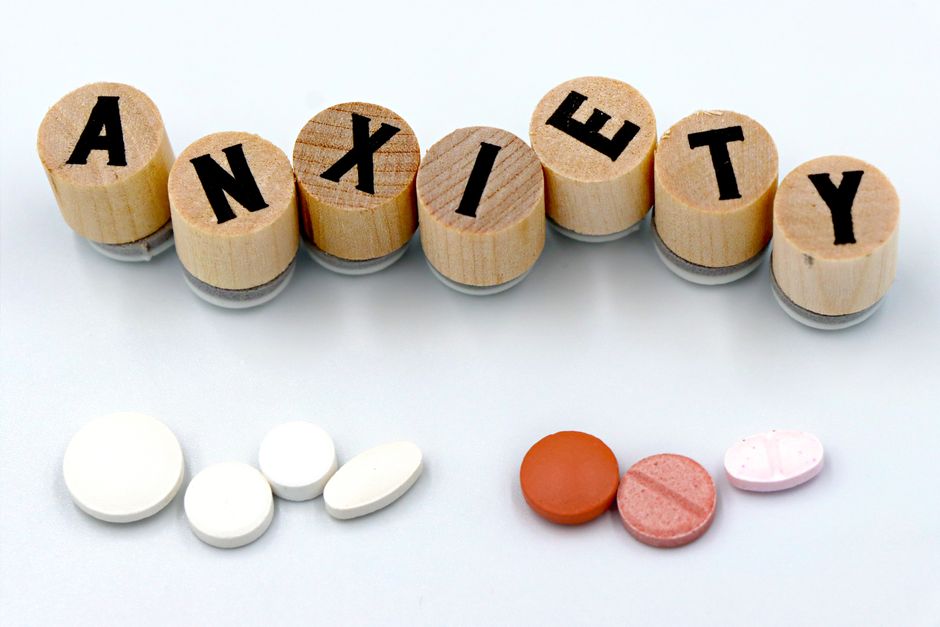
Anxiety disorders and depression are two of the most common mental health conditions in the United States. They are distinct diagnoses, but they often occur together and share overlapping symptoms. Anxiety involves intense, excessive worry or fear, while depression is a persistent feeling of sadness, emptiness, or loss of interest that interferes with daily life.
What Is the Difference Between Anxiety and Depression?
Anxiety and depression are separate conditions with different core features. Anxiety is rooted in fear and worry about the future. Depression is rooted in low mood and loss of interest in things that once brought pleasure.
The main difference is direction. Anxiety pushes your mind toward what might happen. Depression pulls your mind into what already feels lost or hopeless. Someone with anxiety may struggle to sleep because they are worrying. Someone with depression may struggle to sleep because they have no energy or motivation.
About half of people diagnosed with depression also meet the criteria for an anxiety disorder, according to research. The two conditions share biological and psychological pathways, which is why they so often appear together.
What Are the Main Types of Anxiety Disorders?
Anxiety disorders are not one single condition. They are a group of related disorders, each with its own pattern of symptoms.
- Generalized anxiety disorder (GAD): Persistent, excessive worry about everyday things like work, health, or finances, lasting at least six months.
- Panic disorder: Recurrent, unexpected panic attacks — sudden surges of intense fear that peak within minutes.
- Social anxiety disorder: Intense fear of being judged, embarrassed, or rejected in social situations.
- Specific phobias: Extreme fear of a specific object or situation, such as heights, flying, or spiders.
- Agoraphobia: Fear of being in places where escape might be difficult or help unavailable during a panic attack.
- Separation anxiety disorder: Excessive fear of being separated from attachment figures, more common in children but present in adults too.
Each type shares a common thread: fear that is out of proportion to the actual threat, and avoidance behaviors that reinforce the fear over time.
What Are the Symptoms of Depression?
Depression is more than feeling sad for a few days. To meet the diagnostic criteria for major depressive disorder, symptoms must be present most of the day, nearly every day, for at least two weeks.
Core symptoms include a depressed mood most of the day and a marked loss of interest or pleasure in activities. Additional symptoms can include significant weight changes, insomnia or oversleeping, fatigue, feelings of worthlessness or excessive guilt, difficulty concentrating, and recurrent thoughts of death or suicide.
Not everyone experiences depression the same way. Some people feel heavy and slowed down. Others feel restless and irritable. Some people lose their appetite; others eat more. The key is that these symptoms cause clinically significant distress or impairment in social, occupational, or other important areas of functioning.





Why Do Anxiety and Depression Often Occur Together?
Anxiety and depression share several underlying mechanisms. Both involve dysregulation in the brain’s stress response system, particularly the hypothalamic-pituitary-adrenal (HPA) axis. Both are associated with alterations in neurotransmitter systems, including serotonin, norepinephrine, and dopamine.
Genetics also play a role. Twin studies suggest that anxiety and depression share a substantial portion of their genetic risk factors. A person with a family history of either condition has an increased likelihood of developing both.
There is also a psychological pathway. Chronic anxiety is exhausting. Constantly worrying about threats wears down a person’s emotional reserves, and that exhaustion can evolve into depression. Conversely, depression can create anxiety — when you feel low and disconnected, the world can feel more threatening and unpredictable.
Having both conditions at the same time is called comorbidity. It is common, and it matters because the combination tends to be more severe, more chronic, and more resistant to treatment than either condition alone.
How Are Anxiety Disorders and Depression Treated?
Effective treatments exist for both conditions, and the same treatments often help with both. The two main approaches are psychotherapy and medication.
Cognitive behavioral therapy (CBT) is the most widely studied psychotherapy for anxiety and depression. CBT helps people identify and change unhelpful thought patterns and behaviors. For anxiety, it often includes exposure therapy — gradually facing feared situations in a structured way. For depression, it often includes behavioral activation — scheduling positive activities to counter withdrawal and inactivity.
Selective serotonin reuptake inhibitors (SSRIs) are the first-line medications for both anxiety and depression. These include medications like sertraline, fluoxetine, and escitalopram. They work by increasing serotonin levels in the brain, though the full therapeutic effect typically takes four to eight weeks.
Serotonin-norepinephrine reuptake inhibitors (SNRIs) are another class of antidepressants used for both conditions. Other options include bupropion for depression, and buspirone or benzodiazepines for anxiety — though benzodiazepines are generally used short-term due to dependence risk.
For moderate to severe depression, combining psychotherapy and medication is often more effective than either alone. Some research suggests that for severe depression, medication may be necessary before therapy can be effective, because the depression itself interferes with engagement.
Can Lifestyle Changes Help With Anxiety and Depression?
Lifestyle changes are not a substitute for professional treatment, but they can be a meaningful part of a comprehensive approach. They are best thought of as supporting — not replacing — evidence-based care.
Regular physical activity has consistent evidence for reducing symptoms of both anxiety and depression. Exercise increases endorphins, promotes neuroplasticity, and provides a sense of accomplishment. The effect is modest but real, and it grows with consistency.
Sleep hygiene matters deeply. Sleep disruption is both a symptom and a contributor to anxiety and depression. Prioritizing a consistent sleep schedule, limiting caffeine after midday, and reducing screen time before bed can help stabilize mood.
Diet is an area of emerging research. Some studies suggest that diets high in processed foods are associated with higher rates of depression, while diets rich in vegetables, fruits, whole grains, and lean protein are associated with lower rates. This is association, not proof of causation, but the direction is consistent across multiple studies.
Mindfulness and relaxation practices have moderate evidence for reducing anxiety symptoms. Mindfulness-based stress reduction (MBSR) and similar programs show measurable benefits, though they are not as well-studied as CBT for treating clinical depression.
When Should You Seek Professional Help?
If anxiety or depression symptoms last more than two weeks and interfere with your work, relationships, or daily functioning, it is reasonable to seek professional evaluation. Primary care physicians can screen for both conditions and can prescribe medications or refer you to a mental health specialist.
Seek immediate help if you have thoughts of self-harm or suicide. The 988 Suicide and Crisis Lifeline is available by calling or texting 988 in the United States. This is a free, confidential resource available 24/7.
Early treatment improves outcomes. The longer symptoms go untreated, the more entrenched they can become. That does not mean recovery is impossible — it simply means the evidence supports seeking help sooner rather than waiting to see if things improve on their own.
Frequently Asked Questions
Can you have both anxiety and depression at the same time?
Yes, it is very common. About half of people with depression also have an anxiety disorder, and the combination is often more severe than either condition alone.
How long does treatment for anxiety and depression take to work?
Antidepressant medications typically take four to eight weeks to show full effect. Cognitive behavioral therapy often shows noticeable improvement within 8 to 12 sessions, though individual results vary.
Is anxiety or depression more common?
Anxiety disorders are slightly more common. In any given year, about 19% of US adults experience an anxiety disorder, while about 8% experience a major depressive episode.
Can anxiety and depression go away without treatment?
Symptoms can fluctuate and some people do recover without formal treatment, but the evidence shows that untreated anxiety and depression tend to persist or recur. Professional treatment significantly improves the odds of recovery.
