
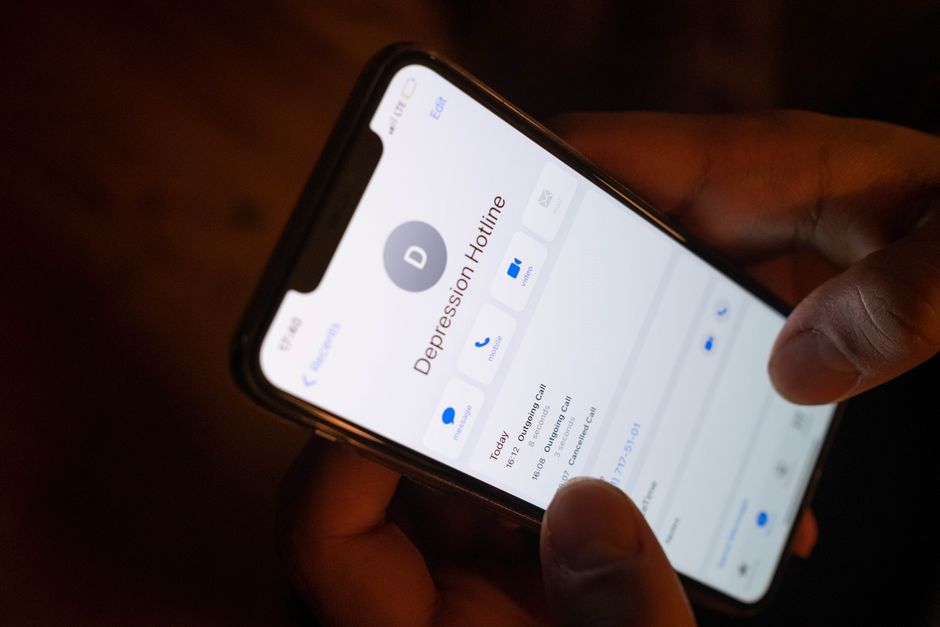
Technology is not a simple cause of depression or anxiety, but how you use it can directly affect your mood, sleep, and stress levels. The link is real, and it is driven by specific mechanisms like disrupted sleep, social comparison, and the addictive design of apps. While screens themselves are not toxic, certain patterns of use—especially passive scrolling and late-night engagement—are consistently linked to higher rates of depressive symptoms and anxiety.
What Does the Research Actually Say About Screen Time and Mental Health?
Studies have found a consistent but modest association between heavy technology use and poor mental health outcomes. This does not mean technology causes depression in everyone. It means that people who spend excessive time on screens report more symptoms of depression and anxiety.
The relationship is not straightforward. Some research suggests that the way you use technology matters more than how much you use it. Active use—like messaging a friend—tends to be neutral or positive. Passive use—like scrolling through curated feeds without interacting—shows a stronger link to negative mood.
One large study of adolescents found that those who spent more than three hours per day on social media had a higher risk of internalizing problems, which include anxiety and depression. But this type of research cannot prove cause and effect. It could be that people who are already depressed spend more time online as a way to cope.
How Does Technology Cause Depression And Anxiety Through Sleep Disruption?
Sleep disruption is one of the clearest pathways. The blue light emitted by screens can suppress melatonin, the hormone that regulates sleep. Using a phone in bed delays the onset of REM sleep and shortens total sleep time.
Poor sleep is a well-established risk factor for both depression and anxiety. Even one night of inadequate sleep can increase emotional reactivity the next day. Over time, chronic sleep deprivation changes the way the brain processes emotional information.
The problem is compounded by habit. Many people check their phones right before bed and immediately upon waking. This keeps the brain in a state of alertness when it should be winding down. The result is a cycle: technology disrupts sleep, sleep loss worsens mood, and low mood drives more technology use.
How Social Comparison on Social Media Fuels Anxiety
Social media platforms are built around comparison. You see curated highlights of other people’s lives—vacations, promotions, perfect family photos—and you compare them to your own unfiltered reality. This is called social comparison theory, and it is one of the most studied psychological mechanisms linking social media to distress.
When you compare yourself to others and feel you come up short, it can trigger feelings of inadequacy and low self-worth. Over time, this pattern is associated with increased symptoms of anxiety, especially social anxiety. You may start to feel that you are being watched and judged, even when you are not.
This effect is stronger for some people than others. People who already struggle with low self-esteem or perfectionism are more vulnerable. For them, social media becomes a mirror that reflects back an unattainable standard.





How Dopamine-Driven Design Keeps You Hooked
Apps and games are engineered to keep your attention. The variable reward schedule—the unpredictable timing of likes, comments, and notifications—activates the same dopamine pathways involved in gambling. You check your phone expecting a reward, and sometimes you get one. That unpredictability is what makes the behavior hard to stop.
This design is not an accident. It is intentional, and it has real consequences. When your brain becomes conditioned to seek frequent small rewards, it can become harder to engage in activities that require sustained attention and delayed gratification, like reading a book or working on a long-term project.
Over time, this can contribute to a shortened attention span and a feeling of restlessness. Some researchers describe this as a form of behavioral addiction, though it is not formally classified as one in the DSM-5. The evidence for problematic technology use is strong, but calling it an addiction is still debated.
Does Social Media Cause Depression or Does Depression Cause More Social Media Use?
This is the central question in the research, and the answer is that both directions appear to be true. It is a bidirectional relationship. Depression can drive you toward social media as a way to escape negative feelings. And heavy social media use can worsen depressive symptoms through comparison, isolation, and sleep loss.
Several longitudinal studies have tried to untangle this. Some found that social media use at one point in time predicts depressive symptoms later. Others found the reverse. The most honest interpretation is that the relationship loops back on itself.
This matters for treatment. If you are depressed and spending hours on social media, addressing your technology use may help, but it is unlikely to be the only thing you need to change. Depression is a complex condition with genetic, biological, and environmental contributors. Technology is one factor among many.
What About Video Games and Anxiety?
Video games are different from social media in important ways. Gaming can be a social activity, and it often involves problem-solving and skill development. Some research even suggests that moderate gaming can improve cognitive flexibility and mood.
The problems arise when gaming becomes excessive and interferes with daily responsibilities. Gaming disorder is now recognized by the World Health Organization as a pattern of gaming behavior characterized by impaired control and increasing priority given to gaming over other activities.
The link between gaming and anxiety is not as clear as the link between social media and anxiety. Some studies suggest that excessive gaming is associated with higher anxiety, but it is hard to know whether gaming causes anxiety or whether anxious people use gaming to cope. For most people, gaming in moderation does not appear to be harmful.
What Can You Actually Do About It?
You do not need to throw away your phone to protect your mental health. The evidence points to specific behaviors that matter more than total screen time.
- Keep screens out of the bedroom. Charge your phone in another room. This single change protects sleep and removes the temptation to check notifications at night.
- Turn off push notifications. Every buzz and badge is a designed interruption. Turning them off reduces the frequency of involuntary checks.
- Set time limits on social media apps. Most phones have built-in screen time tools. Use them not as a punishment but as a way to become aware of your habits.
- Replace passive scrolling with active connection. Send a direct message to a friend instead of scrolling their feed. Active engagement does not show the same negative associations.
- Take a real break. A 24-hour digital detox can reset your baseline. Many people report feeling calmer and more present after even one day away.
These strategies are common clinical recommendations, but the evidence base for each one is limited. No large controlled trials have confirmed that these specific actions prevent or treat depression. They are reasonable, low-risk habits that align with what we know about sleep, attention, and social connection.
When Should You Seek Professional Help?
If you notice that your mood is consistently low, you have lost interest in activities you used to enjoy, or your anxiety is interfering with work or relationships, it is time to talk to a professional. Technology use may be a contributing factor, but it is rarely the whole story.
Primary care doctors and mental health professionals can assess your symptoms and recommend treatment options. Cognitive behavioral therapy has strong evidence for both depression and anxiety. For many people, addressing sleep and technology habits is part of a broader treatment plan, not a replacement for it.
If you are having thoughts of self-harm or suicide, reach out for help immediately. Call or text 988 in the United States to reach the Suicide and Crisis Lifeline. This service is free, confidential, and available 24 hours a day.
Frequently Asked Questions
Can quitting social media improve my mental health?
Some studies suggest that taking a break from social media can reduce symptoms of anxiety and depression in the short term. The effect varies by person, and the long-term benefits are not well established.
How many hours of screen time is too much?
There is no single number that is safe or unsafe for everyone. The evidence suggests that how you use screens matters more than how long you use them.
Does blue light from phones really affect sleep?
Blue light can suppress melatonin production and delay sleep onset, especially when screens are used close to bedtime. The effect is real but modest compared to the overall impact of late-night mental stimulation.
Are video games as harmful as social media?
Video games are not linked to the same risks as social media for most people. Problems arise when gaming interferes with daily responsibilities, which is classified separately as gaming disorder.
