
Protein is a building block for nearly everything in your body — muscles, skin, hair, enzymes, and hormones. But before your body can use the protein you eat, it must be broken down into smaller pieces. That job belongs to enzymes. The main enzymes that digest protein are called proteases, and they include pepsin, trypsin, and chymotrypsin. Each one works in a specific part of your digestive tract, and together they turn the protein in your food into amino acids your body can absorb.
What Are Proteases and Where Do They Come From?
Proteases are enzymes that break peptide bonds, the links that hold amino acids together in a protein chain. Your body makes several different proteases, and each is released at a different stage of digestion.
Digestion starts in the stomach. Cells in your stomach lining release an inactive form of pepsin called pepsinogen. When pepsinogen meets stomach acid, it becomes active pepsin. Pepsin begins breaking long protein strands into shorter fragments called peptides.
After food leaves the stomach, it enters the small intestine. The pancreas releases trypsin and chymotrypsin into the intestine. These enzymes take over and break peptides into even smaller pieces. Finally, enzymes on the surface of the small intestine — peptidases — finish the job by breaking peptides into individual amino acids.
How Does Pepsin Start Protein Digestion?
Pepsin is the first enzyme that digests protein. It works only in the stomach because it needs a highly acidic environment. Stomach acid does two things at once: it activates pepsinogen into pepsin, and it unfolds the protein you ate so pepsin can reach the peptide bonds.
This unfolding matters. Protein molecules are folded into complex shapes. The acid denatures them, meaning it unwinds those shapes. Once the protein is unwound, pepsin can cut it into smaller fragments.
Pepsin is most active at a pH around 1.5 to 2. That is strongly acidic. As food moves into the small intestine, the environment becomes less acidic, and pepsin stops working. That is normal. The next set of enzymes takes over.
What Role Do Trypsin and Chymotrypsin Play?
Trypsin and chymotrypsin are produced by the pancreas and released into the small intestine. They continue the work pepsin started. While pepsin works best in acid, trypsin and chymotrypsin work best in the neutral to slightly alkaline environment of the small intestine.
Trypsin is also responsible for activating other digestive enzymes. It converts several inactive pancreatic enzymes into their active forms. This makes trypsin a central player in protein digestion — not just for its own cutting action but for switching on the rest of the system.
Chymotrypsin works alongside trypsin. It cuts peptide bonds at different points than pepsin or trypsin do. Because each enzyme targets different bonds, using several enzymes together is far more efficient than relying on one alone.




What Are Peptidases and Why Do They Matter?
Peptidases are the final group of enzymes that digest protein. They sit on the surface of the small intestine lining. Their job is to break the short peptide fragments into single amino acids.
This step is essential because only single amino acids — and a few very small peptides — can cross the intestinal wall into your bloodstream. If peptidases did not finish the job, protein would pass through undigested.
Once amino acids are in your blood, your body uses them to build new proteins. That includes repairing muscle tissue, making enzymes, and supporting immune function. The amino acids your body does not use immediately are either stored or converted for other purposes.
What Happens When Protein Digestion Fails?
When protein digestion is incomplete, undigested protein moves into the large intestine. There, bacteria ferment it. This can cause gas, bloating, and abdominal discomfort.
Several conditions can impair protein digestion. Chronic pancreatitis reduces the pancreas’s ability to produce digestive enzymes. Celiac disease damages the small intestine lining, which can reduce peptidase activity. Cystic fibrosis affects the pancreas and can block enzyme release.
In these cases, doctors may prescribe pancreatic enzyme replacement therapy. These are medications containing lipase, amylase, and protease. They are taken with meals to replace the enzymes the body is not making. This is a prescription treatment — not a supplement — and dosing is individualized.
Do Protease Supplements Actually Work?
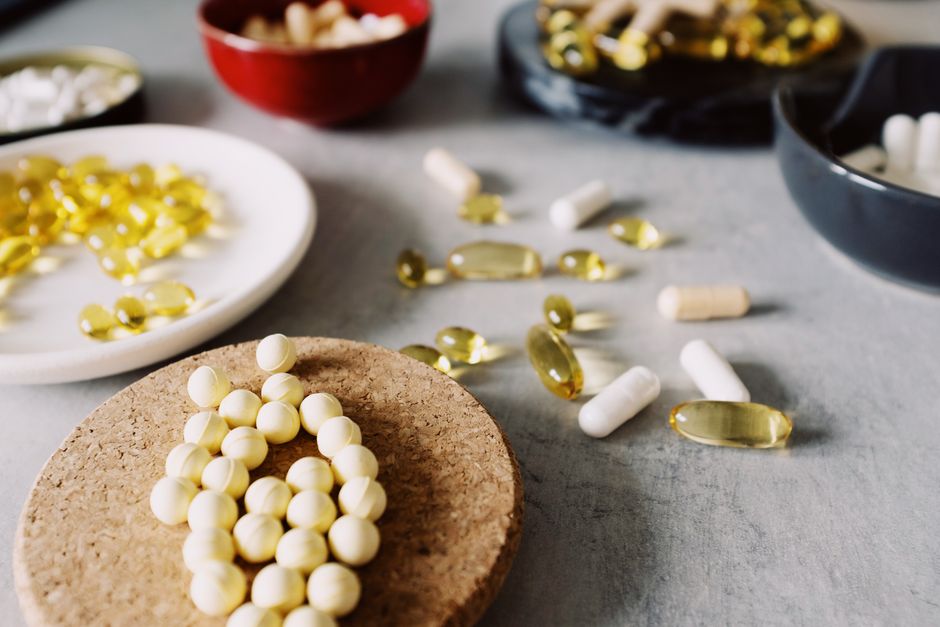
Protease supplements are sold over the counter and marketed for everything from better digestion to reduced inflammation. The evidence for most of these claims is limited.
For healthy people who digest protein normally, supplements are unlikely to provide any benefit. Your body already produces the enzymes it needs. Taking more does not improve absorption or muscle growth.
Some research suggests protease supplements may help people with mild digestive discomfort after large meals. But the studies are small, and results are inconsistent. No large clinical trials have confirmed that these supplements improve protein digestion in healthy adults.
The supplement industry often claims that enzyme supplements are “clinically proven.” That is not accurate. Some products have been studied, but the evidence does not support broad health claims. If you have a diagnosed enzyme deficiency, prescription therapy is the established treatment. Over-the-counter supplements are not a substitute.
How Much Protein Can Your Body Digest at Once?
A common question is whether the body can absorb more than 30 grams of protein in one meal. This idea circulates widely in fitness circles. The evidence does not support a strict limit.
Your digestive system can process far more than 30 grams at a time. Studies have shown that larger protein meals are digested and absorbed, just more slowly. The protein is not wasted. It simply takes longer to enter the bloodstream.
What matters more is total daily protein intake and how it is distributed. Most adults need between 0.8 and 1.6 grams of protein per kilogram of body weight per day, depending on activity level. Spreading protein across meals can help with satiety and muscle maintenance, but there is no evidence that a single meal above 30 grams is harmful or wasteful.
Can You Improve Protein Digestion Naturally?
For most people, protein digestion works well without any intervention. A few habits can support the process.
Chewing thoroughly is the first step. Chewing breaks food into smaller pieces, increasing the surface area for enzymes to work on. Swallowing large chunks forces the stomach to work harder.
Eating slowly also helps. Digestion is partly regulated by signals from the stomach and intestines. Eating too quickly can overwhelm the system and cause discomfort.
Stomach acid is essential for activating pepsin. Some people, especially older adults, produce less stomach acid. This can slow protein digestion. If you have persistent digestive symptoms, talk to a doctor rather than self-diagnosing low stomach acid.
There is no evidence that specific foods “boost” protease activity beyond normal levels. A balanced diet supports enzyme production because enzymes are made from amino acids. That is another reason adequate protein intake matters.
Frequently Asked Questions
What enzyme digests protein in the stomach?
Pepsin is the main enzyme that digests protein in the stomach. It is activated by stomach acid and works best in a highly acidic environment.
What enzyme digests protein in the small intestine?
Trypsin and chymotrypsin digest protein in the small intestine. They are released by the pancreas and break protein fragments into smaller peptides.
Can enzyme supplements help with protein digestion?
For healthy people, enzyme supplements are unlikely to help because the body already produces enough enzymes. They may benefit people with diagnosed enzyme deficiencies, but prescription therapy is the established treatment.
What happens if protein is not fully digested?
Undigested protein moves into the large intestine, where bacteria ferment it. This can cause gas, bloating, and abdominal discomfort.
