
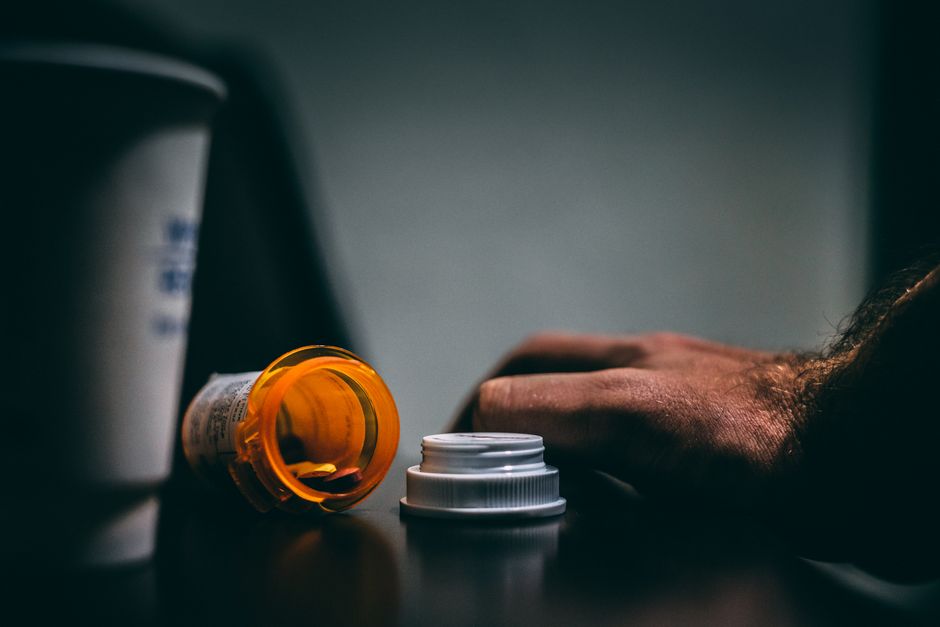
A standard drug screen looks for five main classes of substances: amphetamines, opioids, cocaine, marijuana (cannabis), and phencyclidine, often called PCP. This five-panel test is the most common starting point for pre-employment screening, sports testing, and many medical settings. Some screens add benzodiazepines, barbiturates, methadone, or alcohol, depending on who is ordering the test and why.
What gets tested is not random. It reflects a mix of what labs can detect reliably, what employers and courts commonly want to know, and what federal guidelines require for certain jobs.
What Drugs Does A Drug Screen Test For?
The five-panel screen is the baseline most people encounter. It covers the drug classes that show up most often in workplace and legal testing.
- Amphetamines — includes methamphetamine, and often prescription stimulants like Adderall and Ritalin, which can trigger a positive result.
- Opioids — typically natural and semi-synthetic opioids like morphine, codeine, and heroin. Some panels separate out synthetic opioids such as oxycodone or fentanyl.
- Cocaine — detected through its breakdown products, which stay in the body longer than the drug itself.
- Cannabis (marijuana) — detected through THC metabolites, which can linger far longer than most other drugs.
- Phencyclidine (PCP) — included in the standard federal panel even though it is relatively uncommon, because it was historically a concern and labs standardized around it.
A ten-panel or twelve-panel test usually starts with these five and adds others. Common additions include benzodiazepines (like Xanax and Valium), barbiturates, methadone, propoxyphene, and sometimes MDMA or synthetic opioids. Alcohol is usually not part of a standard urine drug panel because it clears the body too quickly to catch reliably; it needs a separate test.
How Does a Drug Screen Actually Work?
Most drug screens use an immunoassay. This is a fast, relatively inexpensive test that uses antibodies to detect the presence of a drug or its breakdown products in a sample. It gives a yes-or-no result based on a cutoff concentration.
The cutoff matters. A screen does not detect any trace of a drug — it detects amounts above a set threshold. That threshold is chosen to reduce false positives from incidental exposure while still catching real use. If a sample tests positive on an immunoassay, it is usually confirmed with a more precise method such as gas chromatography-mass spectrometry (GC-MS) or liquid chromatography-mass spectrometry (LC-MS). These confirmatory tests identify the specific substance and are far less prone to error.
This two-step process — screen, then confirm — is why a preliminary positive is not the same as a final positive. The initial test is a screening tool, not a diagnosis.
Urine is the most common sample type. It is cheap, non-invasive, and detects a wide window of use. But other sample types exist, and each has trade-offs.
How Long Do Drugs Stay Detectable?
Detection windows vary widely by drug, by person, and by how heavy or frequent the use was. The ranges below reflect general patterns, not fixed rules. Individual results can fall outside them.
| Substance | Approximate detection window (urine) |
|---|---|
| Amphetamines | 1–3 days |
| Cocaine | 1–4 days |
| Opioids (most) | 1–3 days |
| PCP | 1–3 days, longer with heavy use |
| Cannabis (occasional use) | Up to several days |
| Cannabis (chronic, heavy use) | Weeks or longer |
Cannabis is the outlier. THC is stored in body fat and released slowly, which is why it can be detected long after the effects wear off. A person who uses heavily and regularly may test positive for weeks. This is a detection issue, not evidence that the person is currently impaired. That distinction matters in workplaces and legal settings, and it is a common source of confusion.
Other factors shift these windows: body fat, hydration, metabolism, age, kidney and liver function, and the amount used. No at-home calculator can reliably predict an individual’s clearance time.




What About Hair, Saliva, and Blood Tests?
Different sample types answer different questions.
- Urine — the standard for most screening. Detects recent use over days to weeks depending on the drug.
- Hair — can detect use over a much longer window, often up to about 90 days, because drugs are deposited in the hair shaft as it grows. It is less useful for detecting very recent use.
- Saliva (oral fluid) — detects recent use, generally within a day or so. It is harder to adulterate than urine and is increasingly used in roadside and workplace testing.
- Blood — the most accurate for detecting active or very recent use, but it is invasive, costly, and requires a trained phlebotomist. It is used more in medical and legal contexts than routine screening.
The choice of sample depends on the goal. If the question is “did this person use recently,” saliva or blood may fit. If the question is “has this person used in the past few months,” hair may fit. Urine sits in the middle and remains the workhorse of drug testing.
Can a Drug Screen Be Wrong?
Yes. Both false positives and false negatives happen, though confirmatory testing greatly reduces the error rate for final results.
A false positive means the test flags a substance that is not actually there. Common causes include cross-reactivity, where a different substance or a medication structurally resembles the target drug and triggers the antibody. Poppy seeds, for example, can cause a positive opioid result. Some over-the-counter cold medicines and prescription drugs have been linked to false positives on amphetamine screens. The list of substances that can interfere is long, which is exactly why confirmation is required before any result is treated as final.
A false negative means the test misses a substance that is present. This can happen if the sample is too dilute, if the drug has already cleared the body, or if the amount is below the cutoff. Drinking a lot of water before a test can dilute urine enough to push a result below the threshold — which is one reason some testing programs check for dilution.
Adulteration — adding something to a sample to interfere with the test — is a real concern, and labs run validity checks to detect it. But the more common issue is simple human variability, not tampering.
Does a Positive Result Mean Someone Is Impaired?
No. This is one of the most misunderstood points about drug testing. A positive result shows that a drug or its metabolite is present above the cutoff. It does not show when the person used, how much they used, or whether they were impaired at any particular moment.
For most drugs, the detection window outlasts the period of impairment. Cannabis is the clearest example: a person can test positive for weeks after the last use, long after any intoxicating effect has passed. For alcohol, the reverse is often true — impairment can occur while a standard drug panel would not detect it at all, because alcohol is tested separately.
This gap between detection and impairment is central to ongoing debates about workplace testing, especially for cannabis. It is also why some testing programs use additional measures, such as observed behavior or performance testing, rather than relying on a single lab result to judge fitness for duty.
What Is Not on a Standard Screen?
Plenty. A standard five-panel test does not detect many substances people assume it would.
- Alcohol — needs a separate test, usually breath or a specific alcohol metabolite.
- Synthetic cannabinoids — “Spice” and similar compounds often require dedicated tests and are not caught by standard cannabis assays.
- Many prescription medications — benzodiazepines, certain opioids, and others are only caught if the panel is expanded to include them.
- Designer or newer drugs — a standard panel is built around known substances and does not automatically detect novel compounds.
- Performance-enhancing drugs — anabolic steroids and similar substances are tested through separate, specialized programs, not routine screens.
If you need to know whether a specific substance is covered, the answer depends entirely on which panel is being used. “A drug test” is not a single thing — it is a category, and the details matter.
Why the Panel Varies by Situation
The drugs on a screen are chosen to match the purpose. Federal workplace testing in the United States, governed by established guidelines, uses a defined panel that includes the five core classes plus expanded opioids and amphetamines. A hospital checking for a possible overdose may order a much broader or different set of tests based on what the patient was exposed to. A sports program follows its own list. A court-ordered test may be tailored to a specific case.
This is why two people can take “a drug test” on the same day and be screened for different things. The label is the same; the contents are not. If someone tells you they passed or failed a drug screen, the meaningful question is which panel was used.
Frequently Asked Questions
What are the 5 drugs on a standard drug screen?
The standard five-panel screen tests for amphetamines, opioids, cocaine, marijuana (cannabis), and phencyclidine (PCP). Many employers and testing programs use this panel as the default.
Does a standard drug test detect alcohol?
No, alcohol is not part of a standard urine drug panel because it clears the body too quickly to catch reliably. Alcohol requires a separate test, such as a breath test or a specific metabolite test.
How long does marijuana stay in your system for a drug test?
It varies widely. Occasional use may clear within several days, while chronic heavy use can be detected for weeks or longer because THC is stored in body fat.
Can prescription medications cause a positive drug test?
Yes. Some prescription stimulants, opioids, and other medications can trigger a positive result on standard screens. Confirmatory testing is used to identify the exact substance.
