
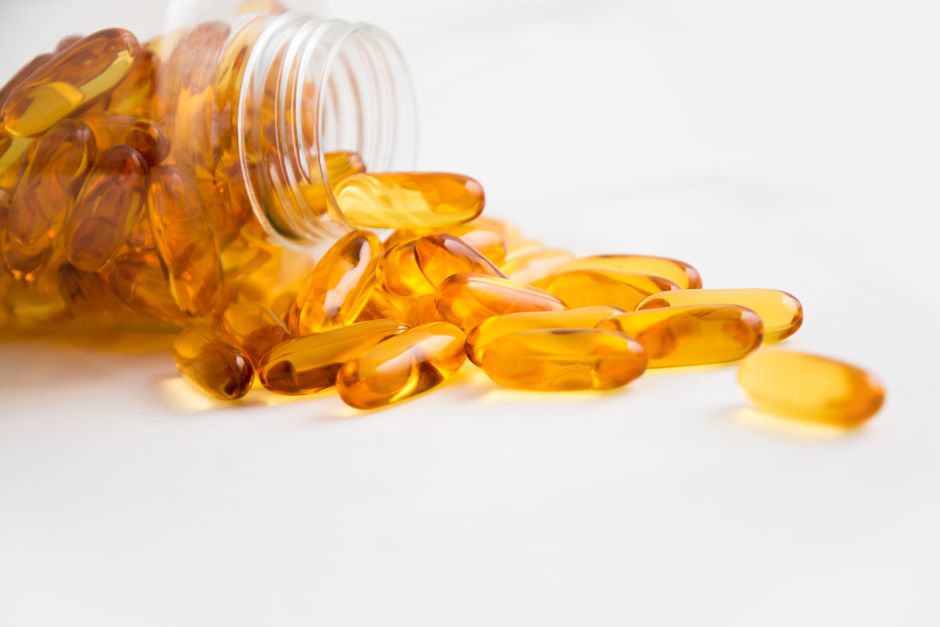
Vitamin B3, also called niacin, is an essential nutrient that helps your body convert food into energy, supports your nervous system, and keeps your skin and digestive tract healthy. It also helps your body make and repair DNA. When taken in high doses under medical supervision, it can lower certain types of cholesterol. However, high doses also come with side effects, most commonly a harmless but uncomfortable skin flush. Without enough B3, you can develop pellagra, a disease marked by diarrhea, dermatitis, and dementia.
What Exactly Does Vitamin B3 Do in Your Body?
Vitamin B3 is not one single compound. It is a group of three related forms: niacin (nicotinic acid), niacinamide (nicotinamide), and inositol hexanicotinate. Your body uses all of these to make two coenzymes called NAD and NADP. These molecules are involved in over 400 biochemical reactions.
The most basic job of NAD is to transfer energy from the food you eat into cellular fuel. Without enough B3, your cells cannot produce energy efficiently. That is why early signs of deficiency include fatigue and low energy.
NAD also plays a role in DNA repair. Cells need NAD to activate enzymes that fix broken DNA strands. This has made NAD a focus of aging research. Some animal studies suggest that boosting NAD levels may slow certain aspects of aging, but human evidence is still very early.
Your skin, the lining of your intestines, and your nervous system all rely on B3 to stay healthy. The link between B3 and skin health is well established. Niacinamide is a common ingredient in skincare products for this reason.
Can Vitamin B3 Lower Cholesterol? What the Evidence Shows
Yes, high-dose niacin can lower cholesterol. But the full picture is more complicated than many articles suggest. Niacin, specifically nicotinic acid, raises HDL (good) cholesterol and lowers LDL (bad) cholesterol and triglycerides. The effect on HDL can be significant, with increases of 15 to 35 percent in some studies.
However, two large clinical trials published in 2011 and 2014 changed how doctors think about niacin for heart health. The AIM-HIGH trial and the HPS2-THRIVE trial both found that adding niacin to statin therapy did not reduce the risk of heart attacks or strokes. In fact, the HPS2-THRIVE trial found more side effects in the niacin group.
These results mean that while niacin improves your cholesterol numbers on paper, it may not translate into better outcomes. The American Heart Association currently recommends statins as the first-line treatment for high cholesterol. Niacin is still used, but mostly for people who cannot take statins or who have very high triglycerides.
If you are considering niacin for cholesterol, do not start high doses on your own. Work with a doctor. The doses needed for cholesterol effects are much higher than the recommended daily allowance.
What Are the Side Effects of Vitamin B3?
The most well-known side effect of niacin is the “niacin flush.” This is a warm, red, tingly feeling on your face, chest, and arms. It happens because niacin causes blood vessels near your skin to widen. The flush is not dangerous, but it can be uncomfortable. It usually fades within 30 to 60 minutes.
Some people take aspirin 30 minutes before niacin to reduce the flush. Others switch to a “no-flush” form called inositol hexanicotinate. However, there is limited evidence that this form works as well for cholesterol. Niacinamide also does not cause flushing, but it does not lower cholesterol either.
Other side effects include stomach upset, headache, and dizziness. These are more common with high doses. Liver damage is a serious but rare side effect. It mainly happens with sustained-release niacin at very high doses. The liver risk is why doctors monitor liver enzymes in people taking niacin for cholesterol.
High doses of niacin can also raise blood sugar. People with diabetes or prediabetes should be cautious. A 2016 review in the journal Current Opinion in Lipidology noted that niacin can increase blood sugar by 5 to 10 percent in some patients.





What Does Vitamin B3 Do Benefits And Side Effects for Skin Health?
Niacinamide, one form of B3, has become a popular ingredient in skincare. Research published in the Journal of Cosmetic Dermatology found that topical niacinamide can improve skin barrier function, reduce redness, and decrease fine lines and wrinkles.
It also helps with acne. A 2015 study compared 4 percent niacinamide gel to 1 percent clindamycin gel for acne. Both worked about equally well, but niacinamide had fewer side effects. The mechanism is not fully understood, but niacinamide seems to reduce inflammation and oil production.
For oral B3 and skin, the evidence is different. High-dose niacin can cause dry skin and itching as side effects. This is not a benefit. The skin benefits come mainly from topical niacinamide, not from taking B3 pills.
One exception is pellagra. If you are severely deficient in B3, your skin will develop a red, scaly rash on areas exposed to sunlight. Taking B3 reverses this completely. But that is a correction of a deficiency, not a cosmetic benefit for someone who already gets enough B3.
How Much Vitamin B3 Do You Actually Need?
The Recommended Dietary Allowance (RDA) for vitamin B3 depends on age and sex. For adult men, it is 16 milligrams per day. For adult women, it is 14 milligrams per day. During pregnancy, it goes up to 18 milligrams. During breastfeeding, it is 17 milligrams.
Most people in the United States get enough B3 from their diet. Good food sources include chicken breast (about 14 mg per 3 ounces), tuna (about 11 mg per 3 ounces), turkey, beef, and salmon. Plant sources like peanuts, brown rice, and mushrooms contain smaller amounts.
Your body can also make B3 from the amino acid tryptophan. Protein-rich foods like eggs and milk provide tryptophan, which your liver converts into niacin. This is why severe B3 deficiency is rare in people who eat enough protein.
The Tolerable Upper Intake Level (UL) for niacin is 35 milligrams per day for adults. This applies to niacin from supplements and fortified foods. Going above this level without medical supervision increases the risk of side effects, especially the flush and liver problems.
Niacinamide has a higher UL, around 900 to 1000 milligrams per day, because it does not cause flushing. But high doses of niacinamide can still cause nausea and liver issues.
Common Misconceptions About Vitamin B3
One common myth is that more B3 is always better. This is not true. Your body can only use so much. Excess B3 is processed by your liver and excreted in urine. High doses do not give you “extra energy.” They just increase the workload on your liver.
Another misconception is that all forms of B3 are the same. They are not. Niacin (nicotinic acid) lowers cholesterol. Niacinamide does not. Niacinamide is better for skin. Inositol hexanicotinate causes less flushing but may not work for cholesterol. If you are taking B3 for a specific reason, you need the right form.
Some people believe that B3 supplements can prevent or treat Alzheimer’s disease. The idea comes from animal studies showing that NAD boosts brain cell health. However, a 2019 clinical trial in the Journal of the American Medical Association found that high-dose niacin did not slow cognitive decline in people with Alzheimer’s. The evidence does not support this use.
There is also a viral claim that B3 cures anxiety or depression. Some people report feeling calmer after taking B3. This is widely claimed, but strong evidence is limited. A few small studies suggest niacinamide may help with anxiety, but the results are not consistent. If you have anxiety or depression, talk to a doctor rather than self-treating with B3.
Frequently Asked Questions
Can you take too much vitamin B3?
Yes. Doses above 35 milligrams per day for niacin can cause flushing, liver damage, and blood sugar problems. Always consult a doctor before taking high doses.
Does vitamin B3 help you lose weight?
No. There is no clinical evidence that vitamin B3 causes weight loss. It helps your body produce energy, but taking extra B3 does not burn more calories.
What is the difference between niacin and niacinamide?
Niacin causes flushing and can lower cholesterol. Niacinamide does not cause flushing and is better for skin health, but it does not lower cholesterol.
Is vitamin B3 the same as vitamin B12?
No. They are different vitamins. Vitamin B3 is niacin, while vitamin B12 is cobalamin. Both are B vitamins but they do different things in your body.
