
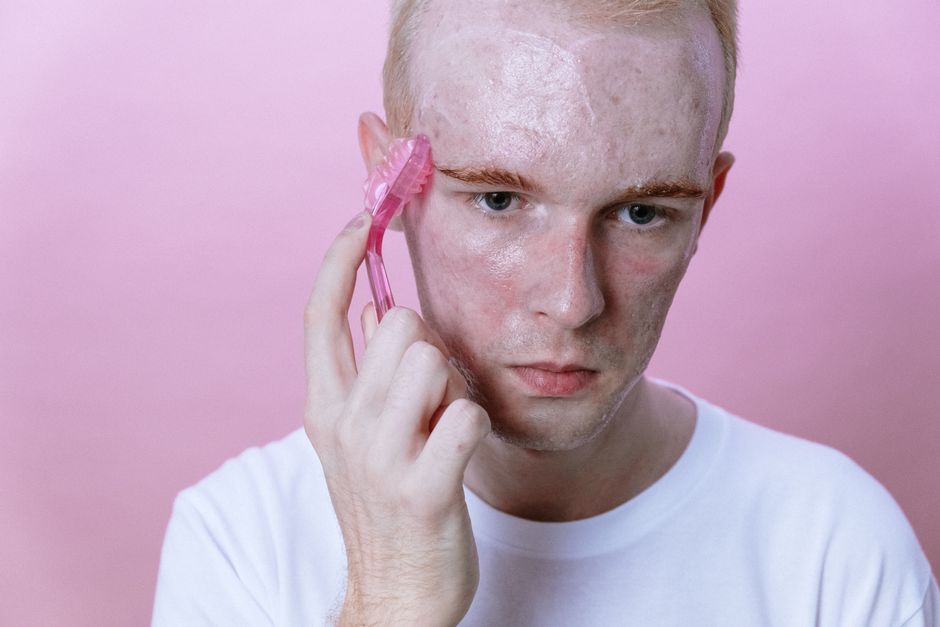
Vitamin A helps skin in two main ways. It supports normal skin cell turnover, the process that replaces old cells with new ones. And it helps regulate how much sebum your oil glands produce, which matters for acne. Those two jobs explain most of what vitamin A does for skin, from acne treatment to how skin ages. The details get more interesting than that, though. Some forms of vitamin A are proven skin treatments. Others are diet basics. And a lot of what you see in stores is neither.
What Does Vitamin A Do For Your Skin Acne Aging And More?
Vitamin A is a family of related compounds, not one single substance. That matters because different forms do different things, and your skin responds to them in different ways.
Retinoids are the umbrella term. They include retinol, retinal, retinoic acid, and prescription drugs like tretinoin and isotretinoin. Retinoic acid is the active form your skin cells actually use. Everything else has to be converted into it first.
In the skin, vitamin A supports several normal functions:
- It helps regulate keratinocytes, the cells that make up most of your outer skin layer.
- It supports the normal shedding of dead skin cells, so pores are less likely to clog.
- It influences sebaceous glands, which produce oil.
- It plays a role in collagen production and in how skin repairs itself after injury.
None of this is marketing language. These are established functions of vitamin A in skin biology, studied for decades.
How Does Vitamin A Help With Acne?
Acne has four main drivers. Excess oil production. Clogged pores. Overgrowth of a common skin bacterium called Cutibacterium acnes. And inflammation. Vitamin A compounds can act on several of these at once, which is why they have been central to acne treatment for decades.
Prescription retinoids like tretinoin work by speeding up cell turnover and helping prevent the dead skin cells that block pores. They also have anti-inflammatory effects. This is well established. Tretinoin has been used for acne since the early 1970s and remains a standard topical treatment.
Isotretinoin is a different story. It is an oral prescription retinoid used for severe nodular acne. It reduces sebum production substantially and is often effective when other treatments fail. It is also a drug with serious risks, including severe birth defects. In the US, it is managed under a strict safety program that requires monitoring and pregnancy prevention. That is not a marketing footnote. It is the reason isotretinoin is handled differently from any other acne drug.
Here is where people often get confused. Eating more vitamin A does not treat acne. The doses used in prescription retinoids are far beyond anything you could get from food, and they work by acting directly on skin cells, not by correcting a deficiency. In countries where vitamin A deficiency is rare, there is no established link between dietary vitamin A intake and acne severity.
Can Vitamin A Help With Aging Skin?
Yes, and this is one of the better-supported uses of vitamin A in skin care. Topical retinoids are among the most studied ingredients for photoaging, which is skin aging caused by sun exposure.
Research has found that topical tretinoin can improve fine wrinkles, uneven pigmentation, and skin texture over months of consistent use. This is not a quick fix. Visible changes typically take several months, and some people see irritation before they see improvement.
Retinol, the over-the-counter form, is weaker than tretinoin but still has evidence behind it. Your skin has to convert retinol into retinoic acid, and that conversion is inefficient. That is why retinol products are generally gentler but also slower and less potent than prescription options.
One clarification worth making: vitamin A does not stop skin from aging. It can improve the appearance of existing sun damage and support normal cell turnover. It does not reverse the underlying structural changes of aging, and it does not replace sun protection. Daily sunscreen use remains the single most effective way to prevent photoaging.




What Is the Difference Between Retinol, Retinal, and Tretinoin?
All three are retinoids, but they sit at different points on the same conversion chain. Your skin converts retinol to retinal, then retinal to retinoic acid, which is the form that actually changes cell behavior. Tretinoin is already retinoic acid.
| Form | Availability | Potency | Typical irritation |
|---|---|---|---|
| Retinol | Over the counter | Lower | Mild to moderate |
| Retinal (retinaldehyde) | Over the counter | Moderate | Moderate |
| Tretinoin | Prescription | Highest of the three | Higher, especially early on |
Potency and irritation tend to move together. A stronger retinoid usually works faster but is more likely to cause redness, peeling, and dryness, particularly in the first few weeks. That is a normal adjustment response, not a sign the product is wrong for you. It usually settles as your skin adapts.
Adapalene is worth mentioning separately. It is a synthetic retinoid available over the counter for acne in the US, and it tends to be better tolerated than tretinoin by many people.
Does Eating Vitamin A Help Your Skin?
Vitamin A is an essential nutrient, and your skin needs it to function normally. Severe deficiency causes real skin problems, including dry, rough skin and poor wound healing. In that sense, dietary vitamin A matters.
But there is a gap between preventing deficiency and improving skin beyond normal. In people who already get enough vitamin A, eating more has not been shown to clear acne, reduce wrinkles, or improve skin texture. Food sources include liver, eggs, dairy, and orange and dark green vegetables like carrots, sweet potatoes, and spinach. The plant sources provide beta-carotene, which your body converts to vitamin A, though that conversion is limited and varies between people.
Vitamin A is fat-soluble, which means it is stored in your body rather than flushed out. Very high intakes can be toxic. This is a real concern with supplements, not with normal food intake. Taking large doses of vitamin A in the hope of improving your skin is not supported by evidence and carries genuine risk.
What Are the Risks of Vitamin A for Skin?
Topical retinoids commonly cause dryness, peeling, redness, and a temporary increase in sensitivity during the first weeks of use. These effects are usually manageable by starting slowly and using a moisturizer. Some people find they cannot tolerate retinoids at all.
Retinoids also make skin more sensitive to the sun. Sunscreen use is not optional with these products.
Oral vitamin A carries more serious risks. High-dose vitamin A supplements can cause liver damage, bone problems, and other harm over time. Vitamin A is also a known teratogen, meaning it can cause birth defects. People who are pregnant or may become pregnant should talk to a clinician before using any oral retinoid or high-dose vitamin A supplement. No safe supplemental dose has been established for this group outside of clinician supervision.
Topical retinoids are generally not recommended during pregnancy either, though the evidence for harm from topical use is much weaker than for oral use. Guidance varies, and this is a conversation to have with a clinician rather than a decision to make from a label.
Do You Need a Prescription, or Do Drugstore Products Work?
Both can work, for different purposes. Over-the-counter retinol and adapalene have real evidence for mild acne and for early signs of photoaging. Prescription tretinoin is generally stronger and better supported for moderate to severe acne and for more established sun damage.
The most common mistake with over-the-counter retinoids is expecting too much too soon. These products take months to show visible results. People often stop after a few weeks of irritation, right before the payoff would come.
Another common mistake is layering several strong actives at once. A retinoid plus a strong acid plus a harsh cleanser is a recipe for a damaged skin barrier, which makes everything worse. Simpler is usually better.
Frequently Asked Questions
Does vitamin A really help acne?
Prescription retinoids like tretinoin and isotretinoin are established acne treatments with decades of evidence behind them. Eating more vitamin A does not treat acne, and dietary intake has not been shown to affect acne severity in people who are not deficient.
How long does retinol take to work on wrinkles?
Visible improvement in fine wrinkles and skin texture typically takes several months of consistent use. Some people notice irritation before they notice results, which usually settles as skin adapts.
Can I use retinol and vitamin C together?
Many people do, but using both at the same time can increase irritation, especially when starting out. Alternating them, such as vitamin C in the morning and retinol at night, is a common approach.
Is it safe to take vitamin A supplements for skin?
High-dose vitamin A supplements are not supported for skin improvement and can cause serious harm, including liver damage. People who are pregnant or may become pregnant should speak with a clinician before taking any vitamin A supplement.
