
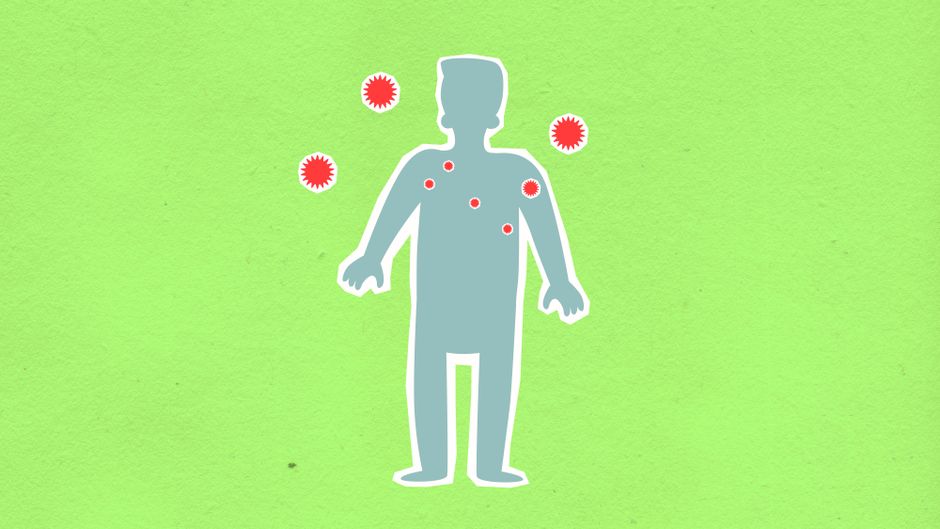
Viral load is the amount of virus present in a person’s body. For COVID-19, higher viral loads generally mean a person is shedding more virus and is more likely to pass it to others. But viral load is only one piece of the transmission puzzle. It does not tell you the whole story about who is contagious, when they are most contagious, or how likely you are to get sick after being near them.
What Does Viral Load Actually Measure?
Viral load is a measurement of how much SARS-CoV-2 genetic material is present in a sample, usually from a nasal or throat swab. Labs measure it using a test called RT-PCR, which detects viral RNA. The result is often reported as a cycle threshold value, or Ct value.
The Ct value works in reverse. A lower Ct value means the test needed fewer cycles to detect the virus, which indicates more virus was present. A higher Ct value means more cycles were needed, which points to less virus. So a Ct of 20 signals a higher viral load than a Ct of 35.
This number reflects the amount of viral RNA in the spot that was swabbed. It does not measure how much live, infectious virus is present. That distinction matters more than most people realize.
Does Higher Viral Load Mean You Are More Contagious?
Higher viral load is linked to a greater chance of spreading the virus, but the relationship is not perfectly direct. Research published in The Lancet Microbe found that people with COVID-19 are most infectious around the time symptoms start, and that live virus is rarely found beyond about nine days after symptoms begin in most people.
The key word there is “live.” PCR tests detect genetic material whether the virus is still capable of infecting someone or not. After the immune system clears an active infection, fragments of viral RNA can linger and still show up on a PCR test for days or even weeks. A high viral load reading on a PCR test late in an illness does not necessarily mean the person can still infect others.
This is one of the most misunderstood points about COVID testing. A positive PCR result tells you the virus’s genetic material is present. It does not tell you whether that virus is alive and able to spread.
When Are People With COVID Most Contagious?
People with COVID-19 are generally most contagious in the one to two days before symptoms appear and the first few days after. This window is when viral load tends to peak in the upper airways, and it is when many transmissions happen.
That timing creates a real problem for control. A person can feel completely fine and still be shedding enough virus to infect others. This is a major reason COVID spreads so efficiently compared with viruses that are mainly contagious after symptoms start.
Viral load patterns can differ based on vaccination status and prior infection. Some studies suggest that vaccinated people who get infected may clear the virus faster and have a shorter window of infectiousness, though the evidence on how much this reduces transmission is mixed. The virus variant also matters. Different variants have shown different patterns of how quickly viral load rises and how high it peaks.




How Does Viral Load Compare to Other Transmission Factors?
Viral load is one factor among several that determine whether the virus spreads. Others include how close you are to an infected person, how long you are near them, whether the space is ventilated, and whether either person is wearing a mask.
A person with a moderate viral load in a small, poorly ventilated room for an hour may pose more risk than a person with a high viral load outdoors at a distance for a few minutes. The amount of virus a person exhales matters, but so does how much of it reaches someone else’s airways.
This is why public health guidance has consistently focused on layered protection rather than any single measure. Ventilation, distance, masking, and vaccination all reduce risk through different mechanisms. Viral load is part of the picture, not the entire picture.
Can You Spread COVID With a Low Viral Load?
Yes. A low viral load does not mean zero risk. Any detectable virus can potentially be transmitted, especially in close contact or prolonged exposure.
That said, lower viral load is generally associated with lower transmission risk. The relationship is one of probability, not certainty. Someone with a low viral load is less likely to infect others than someone with a high viral load, but “less likely” is not the same as “cannot.”
Testing complicates this further. A person might test positive with a relatively high Ct value, meaning low viral load, and still be in the early stage of an infection that will soon ramp up. A single test captures one moment in time.
What Viral Load Does Not Tell You
Viral load cannot tell you whether you are immune, whether you will get severely ill, or exactly when you stopped being contagious. It also cannot tell you whether a positive test represents a new infection or leftover genetic material from a recent one.
Some people assume a high viral load automatically means severe illness. The evidence does not support that as a reliable rule. Viral load in the upper airways and the severity of illness are related in complex ways, and many people with high viral loads have mild symptoms while some with lower loads become very sick. The immune system’s response plays a large role in how severe an infection becomes.
No clinical guidelines currently exist that tell you to make decisions about isolation or precautions based on a specific viral load number. Ct values are not standardized across labs, which makes them hard to compare from one test to another. For most people, the practical takeaway is simpler: if you test positive, you can likely spread the virus to others, and the risk is highest early on.
Does Viral Load Explain Why Some People Spread COVID More Than Others?
Partly. Some people are what researchers call “super-spreaders,” meaning they infect many others while most infected people infect few or none. High viral load is one contributor to this pattern, but it is not the only one.
Behavior and environment explain a great deal. Someone with a moderate viral load who attends a crowded indoor gathering may infect more people than someone with a high viral load who stays home. The amount of virus a person breathes out, how forcefully they breathe it out, and where they are when they do it all shape the outcome.
Individual biology also plays a role. Some people naturally exhale more respiratory particles than others, independent of how much virus they carry. This is an active area of research, and the full picture is not yet clear.
What Should You Take Away From All This?
Viral load is a useful concept for understanding transmission, but it is not a simple on-off switch. Higher viral load generally means more virus is being shed, which generally means more risk of spreading it. But live virus, timing, environment, and behavior all shape what actually happens.
If you test positive for COVID, the most reliable guidance is to assume you can spread the virus, especially in the first several days. Testing negative on a rapid antigen test is a better signal that you are no longer likely to be contagious than a low viral load on a PCR test, because antigen tests detect viral proteins and tend to turn negative when live virus is gone.
The science here continues to evolve. Variants change, immunity changes, and testing technology changes. What has held up across the pandemic is that early infection is the highest-risk period for transmission, and that reducing close contact during that window reduces spread.
Frequently Asked Questions
What does a high viral load mean for COVID?
A high viral load means more viral genetic material is present in your body, which generally means you are shedding more virus and are more likely to pass it to others. It does not automatically mean you will get severely ill.
How long are you contagious with COVID?
Most people are most contagious in the one to two days before symptoms start and the first few days after. Research indicates live virus is rarely found beyond about nine days after symptoms begin in most people.
Does a low viral load mean you can’t spread COVID?
No. A low viral load reduces the likelihood of transmission but does not eliminate it. Any detectable virus can potentially spread, especially with close or prolonged contact.
Can viral load tell you if you are still contagious?
Not reliably. PCR tests can stay positive for days or weeks after you are no longer able to infect others because they detect viral fragments, not just live virus.
