
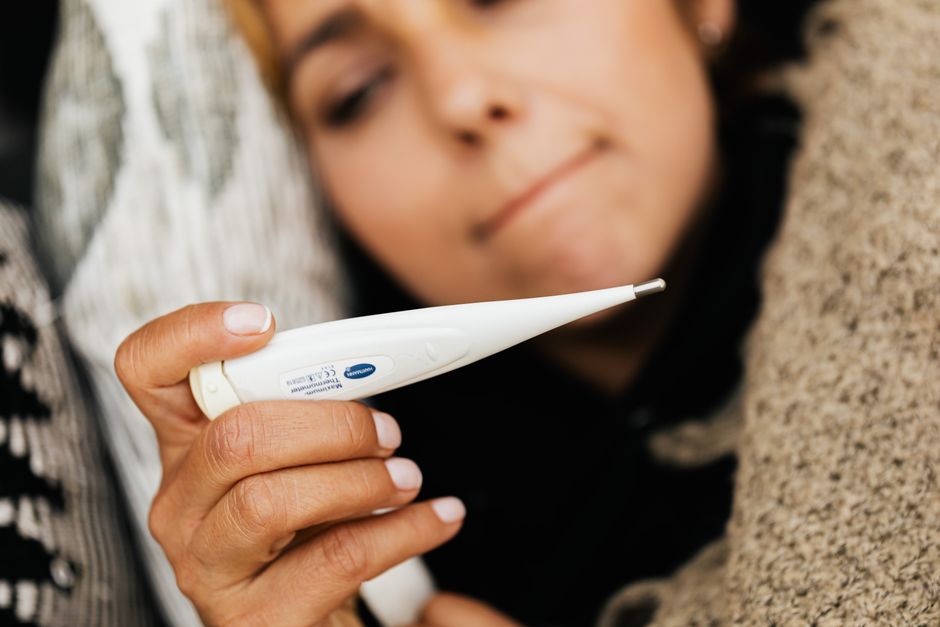
Sinusitis itself is not contagious. The infection that causes it often is. Viral sinusitis is contagious for roughly as long as the viral illness lasts, usually a few days to about a week, starting before symptoms appear. Bacterial sinusitis is generally not contagious from person to person. The bacteria involved usually grow because swelling blocked the sinuses, not because someone passed them along.
How Long Is Sinusitis Contagious Viral Vs Bacterial?
Viral sinusitis is the contagious form. Bacterial sinusitis is not, in any practical sense.
When a cold virus infects your nose and throat, it inflames the lining of your sinuses. That lining swells, mucus builds up, and you feel the pressure and pain we call sinusitis. The virus is the contagious part. You can pass it to someone else through coughs, sneezes, and contaminated hands. Whether they go on to develop sinus symptoms depends on many things, but the virus itself can spread.
Bacterial sinusitis works differently. It usually happens after a viral illness has already irritated and blocked the sinuses. Fluid and mucus sit trapped. Bacteria that normally live in the nose and throat get a chance to overgrow. Those bacteria are not typically spreading to the people around you. You are not “catching” bacterial sinusitis from a coworker, and a coworker is not catching it from you.
There is one important exception. Some bacteria that cause sinus infections, such as certain strains of Streptococcus pneumoniae or Haemophilus influenzae, can spread through respiratory droplets. But developing a sinus infection from that exposure is uncommon. The far more likely outcome is that the bacteria colonize the nose harmlessly or cause a different illness.
What Makes Viral Sinusitis Contagious and for How Long?
Most viral sinusitis is caused by the same viruses behind the common cold — rhinoviruses, coronaviruses, respiratory syncytial virus, and others. These viruses spread mainly through respiratory droplets and contaminated surfaces.
The contagious window is tied to the virus, not the sinus symptoms. For a typical cold virus, you are most contagious in the first two to three days of symptoms. You may be able to spread the virus a day or two before you feel sick, since viral shedding often begins before symptoms. After about a week, most people are no longer shedding enough virus to infect others easily.
Some viruses behave differently. Influenza and COVID-19 can have different contagious timelines than a standard cold. RSV tends to be more contagious in young children and can spread for longer. If you know which virus you have, that changes the answer. If you don’t, assume you are most contagious while your symptoms are at their worst and for a few days after they start improving.
Fever is a reasonable signal. If you still have a fever, you are likely still in a contagious phase. Once fever has been gone for a full day without medication, the risk of spreading most respiratory viruses drops significantly.
Why Bacterial Sinusitis Usually Isn’t Contagious
Bacterial sinusitis is more of an inside job. The bacteria that cause it are often already living in your nose and throat. They are kept in check by your immune system and by each other. When a virus damages the sinus lining and blocks drainage, those bacteria get an opportunity to multiply out of control.
This is why bacterial sinusitis typically shows up after a cold seems to be improving, or after a cold that lingers longer than expected. The bacteria did not arrive from someone else. They took advantage of a disrupted environment.
That said, the bacteria can be passed to others in the sense that respiratory bacteria do travel in droplets. What does not happen is that the person receiving them reliably develops sinusitis. They might carry the bacteria without symptoms, or they might develop a different infection. Person-to-person transmission of sinusitis as a specific condition is not how this works.
How Do You Tell Viral and Bacterial Sinusitis Apart?
Timing and symptom pattern are the main clues. Doctors often use a set of clinical criteria rather than a lab test.
Viral sinusitis usually improves within about ten days. Symptoms peak around day three to five and then gradually get better. Bacterial sinusitis tends to follow one of three patterns:
- Symptoms that last more than ten days without improving
- Symptoms that seem to improve and then get worse again, often called double worsening
- Severe symptoms with high fever and facial pain from the start
These patterns come from widely used clinical guidelines, including the criteria from the American Academy of Otolaryngology–Head and Neck Surgery. They are not perfect. A viral infection can occasionally last longer than ten days, and not every bacterial infection follows the textbook pattern. But these rules help doctors decide when antibiotics might be worth considering.
Color of mucus is not a reliable way to tell them apart. Green or yellow mucus can happen with viral infections too. Many people assume green means bacterial and reach for antibiotics. That assumption is often wrong.
When Are You Safe to Be Around Others?
If you have viral sinusitis, you are most contagious while symptoms are active. A reasonable approach is to limit close contact while you have a fever and for the first few days of symptoms.
Once your fever has been gone for 24 hours without fever-reducing medication, and your symptoms are clearly improving, you are unlikely to spread most common respiratory viruses. That does not mean you are guaranteed to be non-contagious. Some viruses shed for longer. But for most cold-related sinus infections, this is a practical guideline.
For bacterial sinusitis, the concern is much lower. You do not need to isolate. Standard hygiene — covering coughs, washing hands, not sharing utensils — is enough.
If you are around people at high risk for severe illness — infants, older adults, people with weakened immune systems — it is reasonable to be more cautious. That caution is about the underlying virus, not the sinus infection itself.
Does Treatment Change How Long You’re Contagious?
Antibiotics do not shorten the contagious period of viral sinusitis, because antibiotics do not treat viruses. This is one reason antibiotics are not recommended for most sinus infections.
For bacterial sinusitis, antibiotics may shorten how long you feel sick. They do not meaningfully change whether you can pass something to others, because bacterial sinusitis is not typically spreading person to person anyway.
Some clinicians recommend saline nasal rinses and other supportive care for symptom relief. These can help with congestion and discomfort. They do not affect contagiousness.
Over-the-counter decongestants and pain relievers can make you feel better but do not change how long you are contagious or whether you spread the infection.
What About Antibiotics and the Contagious Question?
A common worry is whether taking antibiotics makes you non-contagious faster. For viral sinusitis, the answer is no. For bacterial sinusitis, the question is mostly irrelevant because you were not significantly contagious to begin with.
The bigger issue with antibiotics is that they are often prescribed when they are not needed. Most acute sinus infections are viral. Using antibiotics unnecessarily contributes to antibiotic resistance and exposes you to side effects without benefit. If your doctor recommends waiting a few days to see how symptoms evolve, that is a reasonable approach supported by clinical guidelines.
If symptoms are severe, lasting beyond ten days without improvement, or getting worse after initial improvement, that is when antibiotics may be considered. The decision is best made with a clinician who can assess your specific situation.
Frequently Asked Questions
Can you catch sinusitis from someone else?
You can catch the virus that leads to viral sinusitis, but you cannot catch bacterial sinusitis in the usual sense. The infection itself is not transmitted person to person.
How long should I stay home with sinusitis?
Stay home while you have a fever and feel significantly unwell. Once fever has been gone for 24 hours without medication and symptoms are improving, you are unlikely to spread most common viruses.
Is sinusitis contagious after starting antibiotics?
Bacterial sinusitis was not significantly contagious before antibiotics, so starting them does not change much. Viral sinusitis is not treated by antibiotics and remains contagious based on the virus timeline.
Can sinusitis turn into something contagious?
No. Sinusitis does not transform into a contagious condition. If you develop a new fever or worsening symptoms, that may signal a new infection, which should be evaluated.
