
The flu is viral. Influenza is caused by influenza viruses, full stop. That answer matters because it shapes everything that follows — how the illness spreads, why antibiotics do not help, and why the symptoms can feel so different from a bacterial infection.
But here is where things get more complicated. A viral flu can lead to a bacterial infection. That second infection is called a secondary or co-infection, and it is often the reason a person who seemed to be recovering suddenly gets much worse. Understanding the difference between the two is not academic. It changes what treatment works, what does not, and when to seek care.
Is The Flu Bacterial Or Viral Symptoms And Causes
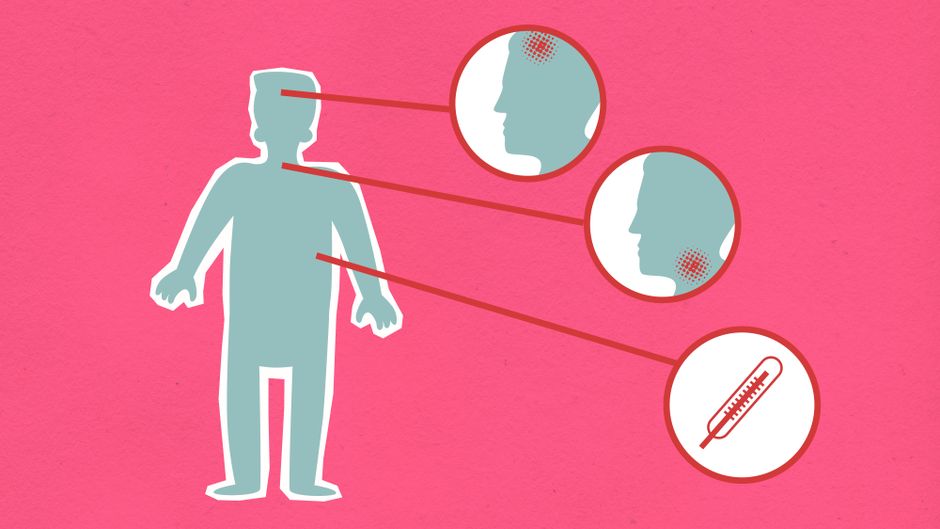
Influenza is a viral infection caused by influenza A or influenza B viruses. These viruses enter the body through the nose or throat, attach to cells lining the respiratory tract, and begin replicating. The immune system responds with inflammation, fever, and the familiar constellation of symptoms — body aches, chills, headache, fatigue, and a dry cough.
Bacteria work differently. They are living single-celled organisms that can reproduce on their own. Some bacteria cause respiratory illness directly, such as Streptococcus pneumoniae or Haemophilus influenzae. Others normally live in the nose and throat without causing harm until the immune system is weakened or the tissue is damaged.
The key distinction is this: a virus hijacks your cells to make copies of itself. A bacterium reproduces independently and can be killed with antibiotics. That is why antibiotics do nothing for influenza itself. They target bacteria, not viruses.
Why the Confusion Exists
Many people use “flu” to describe any illness with fever, aches, and a cough. In reality, several different viruses and bacteria can cause similar symptoms. A cold, COVID-19, RSV, and bacterial pneumonia can all look like the flu at first. That overlap is why testing matters — not just for curiosity, but because treatment differs.
How Do You Tell the Difference Between Viral and Bacterial Symptoms?
You often cannot tell from symptoms alone. That is the honest answer. Viral and bacterial respiratory infections overlap so heavily that even clinicians frequently rely on testing rather than observation.
That said, some patterns offer clues. Influenza tends to hit hard and fast. People often describe feeling fine in the morning and terrible by evening. Fever, severe muscle aches, and exhaustion are common. A bacterial infection that follows the flu usually appears after a period of improvement — you start to feel better, then fever returns, cough worsens, or breathing becomes difficult.
Primary bacterial pneumonia, meaning pneumonia that develops on its own without a preceding viral illness, can also strike suddenly. It may produce chest pain, productive cough with colored mucus, and high fever. But these signs are not reliable enough to distinguish viral from bacterial without testing.
- Viral flu: sudden onset, high fever, body aches, dry cough, fatigue, improvement over several days
- Bacterial secondary infection: return of fever after initial improvement, worsening cough, chest pain, shortness of breath
- Bacterial pneumonia (primary): rapid onset, productive cough, chest pain, high fever, difficulty breathing
No symptom list can replace a clinical evaluation when breathing becomes labored or fever will not resolve.
What Causes the Flu?
Influenza is caused by influenza A and influenza B viruses. Influenza A viruses are further divided into subtypes based on two surface proteins — hemagglutinin (H) and neuraminidase (N). That is why you see designations like H1N1 or H3N2. Influenza B viruses are not divided into subtypes but do have distinct lineages.
These viruses spread mainly through respiratory droplets when an infected person coughs, sneezes, or talks. Less commonly, a person can pick up the virus by touching a surface contaminated with the virus and then touching their mouth, nose, or eyes.
The virus enters the respiratory tract and binds to cells lining the airways. Once inside, it replicates rapidly. The immune system detects the invasion and launches a response — releasing cytokines and other signaling molecules that cause fever, inflammation, and the systemic symptoms people experience.
That immune response, not the virus itself, is responsible for many of the symptoms. Fever, aches, and fatigue are signs the body is fighting back. This is also why symptoms can feel disproportionately severe relative to the amount of virus present.




Can the Flu Turn Into a Bacterial Infection?
Yes. This is one of the most important things to understand about influenza. The flu damages the lining of the respiratory tract, making it easier for bacteria to invade. The immune system, already stretched thin fighting the virus, may not mount an effective defense against a second infection.
Secondary bacterial pneumonia is the most common complication. It typically develops after the initial flu symptoms begin to improve. The fever returns, the cough worsens or becomes productive, and breathing may become difficult. This pattern — improvement followed by worsening — is a red flag.
Common bacteria involved include Streptococcus pneumoniae, Staphylococcus aureus, and Haemophilus influenzae. These bacteria can cause pneumonia, ear infections, or sinus infections. In severe cases, they can lead to sepsis.
Not everyone who gets the flu will develop a bacterial infection. Most people recover without complications. But certain groups face higher risk — older adults, young children, pregnant women, and people with chronic conditions like asthma, diabetes, or heart disease.
Why Antibiotics Do Not Treat the Flu
Antibiotics kill bacteria. They have no effect on viruses. Taking antibiotics for influenza does not shorten the illness, reduce symptoms, or prevent complications. It also carries risks — disruption of the gut microbiome, allergic reactions, and the development of antibiotic-resistant bacteria.
Antibiotics are appropriate when a bacterial infection is confirmed or strongly suspected. If you develop bacterial pneumonia after the flu, antibiotics are necessary. But for the flu itself, they are not helpful.
Antiviral medications are different. Drugs like oseltamivir, zanamivir, and baloxavir target influenza viruses specifically. They work best when started within the first day or two of symptoms. They can shorten the illness by roughly a day and may reduce the risk of complications, particularly in high-risk groups. They are not a cure, and they do not work for everyone.
Whether antivirals are appropriate depends on the person, the timing, and the severity of illness. That is a decision for a clinician.
When Should You See a Doctor?
Most people with the flu recover at home without medical care. Rest, fluids, and fever-reducing medications are usually enough. But some signs warrant medical attention.
- Difficulty breathing or shortness of breath
- Chest pain or pressure
- Fever that returns after improving
- Cough that worsens or produces blood
- Dizziness, confusion, or inability to stay awake
- Severe muscle pain or weakness
- Symptoms that improve, then suddenly worsen
These signs may indicate a complication, including bacterial pneumonia. They are not proof of a bacterial infection, but they are reasons to be evaluated.
People in high-risk groups should contact a healthcare provider early, even if symptoms seem mild. Early antiviral treatment may be beneficial for them.
How Is the Flu Diagnosed?
Diagnosis is usually based on symptoms during flu season, but testing can confirm it. Rapid influenza diagnostic tests can detect influenza viral antigens in respiratory samples. These tests provide results in about 15 minutes but are not perfectly sensitive — a negative result does not rule out the flu.
More accurate tests include reverse transcription polymerase chain reaction (RT-PCR) and viral culture. These are typically done in hospital or reference laboratories. They can distinguish between influenza A and B and identify specific subtypes.
If a bacterial infection is suspected, additional tests may be ordered. A chest X-ray can show signs of pneumonia. Sputum culture can identify bacteria. Blood tests can reveal signs of infection or sepsis.
Distinguishing viral from bacterial infection matters because treatment differs. It is not always possible to tell based on symptoms alone, which is why testing exists.
Can You Prevent the Flu?
Vaccination is the most effective way to reduce the risk of influenza and its complications. The flu vaccine is reformulated each year based on predictions about which strains will circulate. Its effectiveness varies from season to season, but even partial protection can reduce severity and hospitalization risk.
Other measures help reduce spread:
- Wash hands frequently with soap and water
- Avoid touching your face with unwashed hands
- Stay home when sick
- Cover coughs and sneezes
- Avoid close contact with people who are sick
These steps reduce the chance of catching or spreading influenza. They also reduce the chance of picking up bacteria that could cause secondary infections.
Prevention is not perfect. The flu vaccine does not guarantee you will not get the flu. But it remains the best available tool for reducing risk.
What Is the Difference Between Influenza and “Stomach Flu”?
Influenza is a respiratory illness. “Stomach flu” is not influenza at all. The term is commonly used to describe gastroenteritis — inflammation of the stomach and intestines — which is usually caused by viruses like norovirus or rotavirus, or sometimes by bacteria like Salmonella or E. coli.
Influenza rarely causes vomiting or diarrhea in adults, though children may experience these symptoms. The hallmark symptoms of influenza are fever, body aches, cough, and fatigue.
This distinction matters because the term “stomach flu” creates confusion. It implies a connection to influenza that does not exist. The prevention and treatment approaches are different.
What About COVID-19 and RSV?
COVID-19 and respiratory syncytial virus (RSV) can cause symptoms that overlap with influenza. All three are viral respiratory infections. They can be difficult to distinguish without testing.
COVID-19 is caused by SARS-CoV-2, a coronavirus. RSV is caused by a paramyxovirus. Influenza is caused by influenza viruses. Each has different patterns of severity, different risk groups, and different treatment options.
Testing can identify which virus is responsible. That matters because antiviral treatments are virus-specific. Oseltamivir does not treat COVID-19. Remdesivir does not treat influenza. RSV has its own preventive options for certain populations.
Co-infections are possible. A person can be infected with more than one virus at the same time. This can increase the severity of illness.
Frequently Asked Questions
Is the flu bacterial or viral?
The flu is viral. It is caused by influenza A or influenza B viruses, not bacteria.
Can the flu turn into a bacterial infection?
Yes. Influenza can damage the respiratory tract and weaken the immune system, making it easier for bacteria to cause a secondary infection like pneumonia.
Do antibiotics help with the flu?
No. Antibiotics kill bacteria and have no effect on influenza viruses. They are only useful if a bacterial infection develops alongside or after the flu.
How do you know if you have a bacterial infection after the flu?
Signs include fever that returns after improving, worsening cough, chest pain, or difficulty breathing. These symptoms warrant medical evaluation.
