
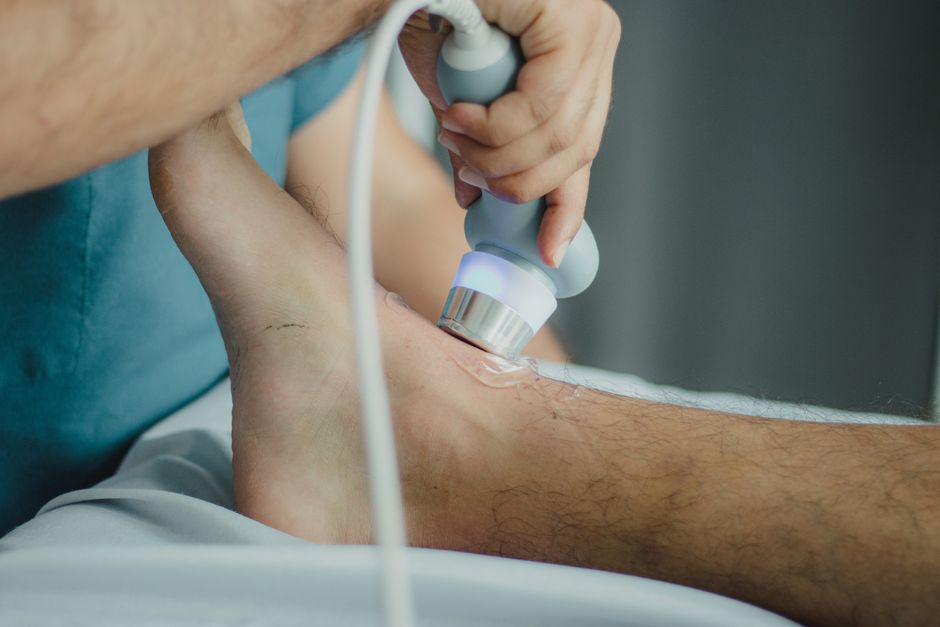
Ultrasound in physical therapy uses sound waves to generate deep heat inside your body’s tissues. This heat increases blood flow, relaxes tight muscles, and helps break down stubborn scar tissue. It is a common tool for treating joint stiffness, muscle spasms, and chronic pain conditions.
How Does Therapeutic Ultrasound Work?
Therapy ultrasound machines send high-frequency sound waves through a handheld wand called a transducer. The therapist applies a special gel to your skin and moves the wand in small circles over the area being treated. The sound waves travel through your skin and into deeper tissues like muscles, tendons, and ligaments.
As the waves pass through these tissues, they create vibration and friction. This friction produces heat. The heat reaches structures several centimeters below the skin surface — deeper than a heating pad can reach. The temperature rise is real but controlled. The therapist adjusts the intensity to keep it within a safe range.
What Are the Two Main Types of Ultrasound Used in Physical Therapy?
There are two distinct modes: thermal and non-thermal. They produce completely different effects in the body.
Thermal ultrasound is the classic heat-producing mode. The sound waves are delivered continuously. The goal is to raise tissue temperature by 2–4 degrees Fahrenheit for several minutes. This level of heat increases blood flow, eases muscle spasms, and makes collagen fibers in tendons and scars more flexible. That flexibility allows therapists to stretch tight tissues more effectively.
Non-thermal ultrasound uses pulsed waves. The machine sends sound waves in short bursts with long pauses between them. This minimizes heating. Instead, the mechanical vibration itself can stimulate cellular repair. Some research suggests it may speed up tissue healing and reduce inflammation at the cell level. The evidence for these effects is less consistent than for thermal ultrasound.
What Conditions Does Ultrasound Treat?
Physical therapists use ultrasound most often for problems involving deep joints, chronic tightness, and stiff scar tissue. Common conditions include:
- Frozen shoulder (adhesive capsulitis)
- Knee osteoarthritis
- Achilles tendinitis
- Plantar fasciitis
- Muscle spasms in the lower back or neck
- Post-surgical scar tissue
Ultrasound is rarely used alone. It is typically part of a broader plan that includes stretching, strength exercises, and manual therapy. The heat helps prepare the tissue for those other treatments.




What Does Ultrasound Do In Physical Therapy That Other Treatments Cannot?
This is the key question. Ultrasound is unique because it heats deep tissue without heating the skin much. A heating pad warms only the surface. Ultrasound reaches 3 to 5 centimeters deep. That depth is important for treating joints and thick muscles.
The non-thermal mode offers something else: the ability to apply gentle mechanical energy deep in the tissue without burning it. Some clinicians believe this promotes healing in chronic injuries where blood flow is poor. However, this effect is less well proven. The thermal effect is the one most consistently supported by clinical evidence.
Is Therapeutic Ultrasound Effective? What the Evidence Says
The evidence is mixed. For certain conditions, studies show clear benefit. For others, ultrasound appears no better than a sham treatment.
Research consistently shows thermal ultrasound helps reduce pain and improve range of motion in people with knee osteoarthritis and frozen shoulder. For tendinitis, the results vary. Some studies find benefit for calcific tendinitis of the shoulder, while others show little effect for non-calcific cases.
For low back pain, several large trials found no significant advantage of adding ultrasound to standard exercise therapy. Some clinicians still use it based on their own experience. But the strongest evidence supports it for joint stiffness and conditions where tissue heating directly improves flexibility.
No study has confirmed that non-thermal ultrasound accelerates healing in human patients at a reliably measurable rate. The biological mechanisms are plausible, but clinical results have been inconsistent.
What Happens During a Typical Ultrasound Session?
A session lasts about five to ten minutes. You lie down or sit comfortably. The therapist spreads a water-based gel on the area to be treated. This gel is essential — ultrasound does not travel through air well. Without the gel, the machine cannot deliver the sound waves into your body.
The therapist presses the wand gently against your skin and moves it in slow, circular motions. You should not feel pain. If the area has a lot of bone close to the surface, you might feel some discomfort from the waves reflecting off the bone. Tell your therapist if this happens. They will lower the intensity.
After the treatment, your therapist may perform stretches or exercises on the warmed tissue. This is when the heat is most useful — when the tissue is warmer and more pliable.
Are There Risks or Side Effects?
Serious risks are rare when used properly. The main risk is burns. If the wand stays still for too long, the heat can concentrate in one spot and damage the skin or underlying tissue. That is why the therapist keeps the wand moving at all times.
Ultrasound should never be used over the eyes, over an active cancer, over a pregnant uterus, over a joint replacement, or over areas with deep vein thrombosis or active infection. These are absolute contraindications. A knowledgeable therapist will check for these before starting treatment.
Some people feel a mild aching sensation during or after treatment. This usually resolves quickly.
Can You Buy a Home Ultrasound Device?
Yes, consumer ultrasound devices are sold online. However, they differ from professional machines. They typically operate at lower power levels. Some experts caution that without training, it is easy to misuse them — either by not applying enough gel, by keeping the wand still, or by treating an area that should not be treated.
No clinical guidelines endorse home ultrasound for any condition. If you are considering one, discuss it with your physical therapist first. They can tell you whether it would actually help your specific problem.
Frequently Asked Questions
Does ultrasound therapy hurt?
No, you should not feel pain during treatment. If you feel sharp discomfort, the intensity may be too high or the wand may be stationary.
How long does each ultrasound session last?
Most sessions last between 5 and 10 minutes. The exact time depends on the size of the area being treated.
Can I use ultrasound at home instead of going to therapy?
Home devices exist but are less powerful and carry a risk of misuse. No clinical guidelines currently recommend home ultrasound for any specific condition.
Is ultrasound safe during pregnancy?
Ultrasound should not be applied over the pregnant abdomen or lower back. There is no evidence of harm, but it is avoided as a precaution.
