
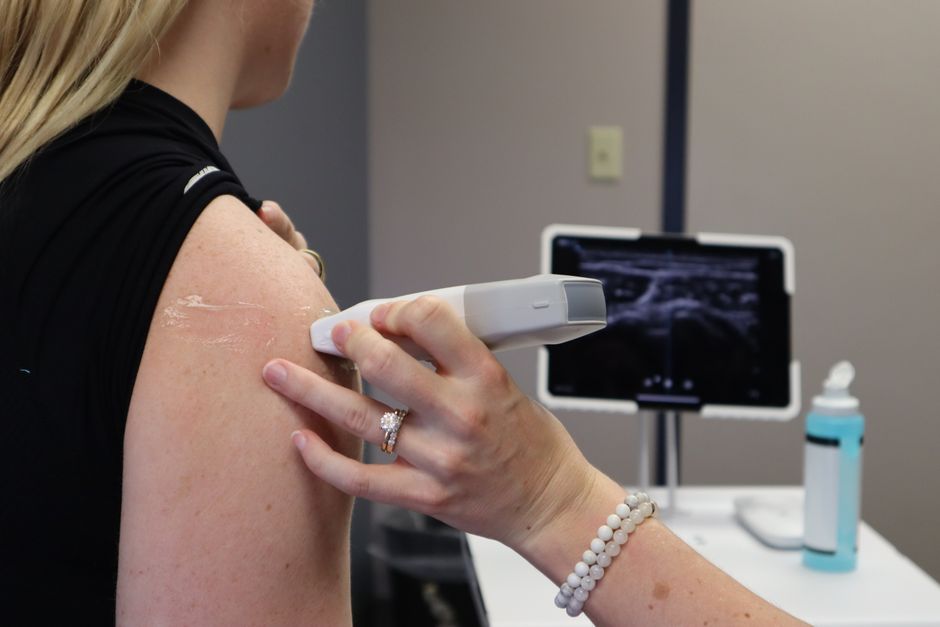
If you have had an ultrasound, you may remember a friendly professional guiding a wand over your body while looking at a screen. That person was most likely a sonographer. Sonographers are not doctors, but they are highly trained specialists who perform medical ultrasound exams. While the term “ultrasound nurse” is common in everyday conversation, the person scanning you is typically a diagnostic medical sonographer, not a nurse.
What Is the Difference Between an Ultrasound Nurse and a Sonographer?
The simplest answer is that most ultrasound exams are performed by sonographers. Sonographers are healthcare professionals who specialize in using ultrasound equipment to create images of the inside of the body. They complete a dedicated training program in diagnostic medical sonography, usually lasting two to four years, and many earn professional certification.
Some sonographers are also registered nurses. These individuals have completed both nursing school and sonography training. In some hospital departments, a nurse may cross-train to perform ultrasound exams, but this is less common. When a nurse does perform an ultrasound, they typically have additional, specific training in sonography.
The confusion is understandable. Both professions work in medical settings and care for patients. But their core jobs differ. A nurse provides broad patient care, such as giving medications, monitoring vital signs, and assisting with procedures. A sonographer focuses on operating the ultrasound machine and capturing accurate images for a doctor to interpret.
Who Actually Performs Your Ultrasound Exam?
The person performing your exam is almost always a diagnostic medical sonographer. They are sometimes called ultrasound technicians or ultrasound technologists. These titles all refer to the same role.
Sonographers work in many areas of medicine. Some focus on general imaging, such as the abdomen or thyroid. Others specialize in specific areas like the heart, blood vessels, or pregnancy care. The type of ultrasound you need determines which specialist you see.
During the exam, the sonographer applies a gel to your skin and moves a handheld device called a transducer over the area being examined. The transducer sends sound waves into your body. The returning echoes create real-time images on a screen. The sonographer captures the best images and sends them to a radiologist or another physician for a final interpretation.
What Training and Certification Do Sonographers Need?
Sonographers are not self-taught. They complete formal education programs accredited by organizations that oversee medical imaging education. These programs include classroom instruction in anatomy, physiology, and physics, along with hands-on clinical training in real medical settings.
Most employers prefer or require certification. The American Registry for Diagnostic Medical Sonography (ARDMS) is the main certifying body. To earn certification, candidates must graduate from an accredited program and pass a rigorous exam. Many sonographers hold additional specialty certifications in areas like obstetric, abdominal, or cardiac sonography.
Certification matters because it sets a standard for knowledge and skill. A certified sonographer has demonstrated competence in both image production and patient safety. When you are on the exam table, you want someone who knows how to position you correctly, adjust the equipment, and recognize when an image needs to be retaken.




Do Doctors or Nurses Ever Perform Ultrasounds?
Yes, but in specific situations. Physicians perform ultrasound exams when they need immediate answers at the bedside. Emergency doctors use ultrasound to quickly check for internal bleeding or to guide certain procedures. Obstetricians may use a small ultrasound device in their office to check a baby’s position or heartbeat.
Nurses may perform ultrasound exams to check bladder volume before or after catheter removal. Vascular nurses might use ultrasound to find a vein for an IV line. These are focused, limited exams for a single purpose. They are not the same as a full diagnostic ultrasound performed by a sonographer.
For a complete diagnostic exam, such as a full abdominal study or a detailed pregnancy scan, a sonographer performs the scan. A radiologist or other specialized physician then reviews the images and writes the official report. This two-step process ensures both image quality and accurate interpretation.
Which Type of Nurse Does Your Ultrasound in Specialized Areas?
In certain specialized settings, you may encounter a nurse who performs ultrasound. The most common example is in labor and delivery. Some labor and delivery nurses are trained to perform limited obstetric ultrasounds to check fetal position or amniotic fluid levels in urgent situations.
However, even in labor and delivery, the detailed anatomy scans that check fetal development are done by sonographers. These comprehensive exams require advanced training and precise technique. The nurse’s limited scan is not a substitute for the full diagnostic study.
Another area is vascular access. Nurses who insert central lines or PICC lines often use ultrasound to guide the needle into the correct vein. This improves safety and reduces complications. But this is a procedural use of ultrasound, not a diagnostic imaging exam. The nurse is using the machine as a visual guide, not producing images for a radiologist to interpret.
Why Does the Distinction Matter for Your Care?
Understanding who performs your ultrasound helps you know what to expect. Your sonographer is not diagnosing you. They are collecting images. The diagnosis comes from a physician who reviews those images, often a radiologist with specialized training in reading medical images.
This division of labor is a safety feature. Sonographers are experts at operating the equipment and capturing clear images. Physicians are experts at interpreting what those images mean. Each person focuses on what they do best.
If you have questions during your exam, ask the sonographer about the procedure itself. They can explain what they are doing and why. For questions about your results or what the images show, wait for the physician’s report. The sonographer may not share findings with you because interpretation is outside their scope of practice.
What Happens After the Sonographer Finishes?
Once your exam is complete, the sonographer reviews the images to ensure they are complete and clear. Then they send the images to a radiologist or the referring physician. This review process can take anywhere from a few hours to a few days, depending on the facility and the urgency of your case.
The physician who reads your ultrasound looks for specific findings based on the reason for your exam. They write a report that describes what they see and notes any abnormalities. Your own doctor receives this report and discusses the results with you.
Do not be surprised if the sonographer cannot tell you the results on the spot. This is standard practice in medical imaging. The person scanning you is focused on technique and image quality. The person diagnosing you needs time to study the images carefully.
Frequently Asked Questions
Is an ultrasound technician the same as an ultrasound nurse?
No, an ultrasound technician is a diagnostic medical sonographer with specialized training in imaging. Some sonographers are also nurses, but most are not.
Can a registered nurse perform an ultrasound?
Yes, but only with additional training and usually for limited, specific purposes like checking bladder volume. Full diagnostic exams are performed by sonographers.
Who reads the ultrasound images and gives the diagnosis?
A physician, usually a radiologist, reviews the images and writes the official report. The sonographer captures the images but does not provide the diagnosis.
Do labor and delivery nurses do ultrasounds?
Some labor and delivery nurses perform limited bedside ultrasounds for urgent checks like fetal position. Detailed anatomy scans are done by trained sonographers.
