
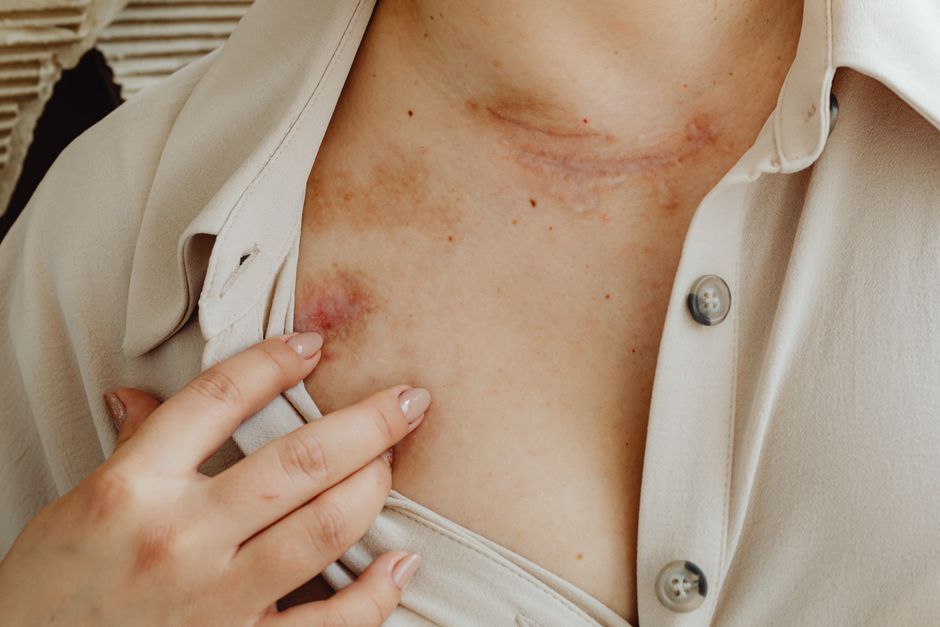
Scar gel is a topical treatment designed to flatten, soften, and fade scars by applying a thin layer of silicone-based film over the damaged skin. Most dermatologists consider silicone gel the first-line, evidence-backed option for managing both new and existing scars. It works by creating a protective barrier that hydrates the scar tissue, which signals the skin to produce less collagen and return to a more normal appearance over time.
How Does Scar Gel Actually Work on Skin?
Scar gel works through a process called occlusion. The gel forms a thin, invisible sheet over the scar that traps moisture in the skin. This hydration is the key mechanism.
When a scar loses moisture, it becomes dry, hard, and raised. The gel keeps the area hydrated, which softens the collagen fibers in the scar tissue. Over time, this process helps flatten raised scars and reduces redness and discoloration.
Clinical research supports this approach. Studies have shown that silicone-based products, including gels, are effective at improving scar appearance. The American Academy of Dermatology recognizes silicone gel and silicone sheets as effective treatments for scar prevention and management.
What Types of Scars Can Scar Gel Treat?
Scar gel is most effective on certain types of scars. It works best on new scars that are still forming, but it can also improve the appearance of older scars.
Hypertrophic scars respond well to silicone gel. These are raised, red scars that stay within the boundaries of the original wound. They are common after surgery, burns, and cuts.
Keloid scars are more challenging. These scars grow beyond the original wound edges. Silicone gel can help soften them, but keloids often require additional treatments like steroid injections or pressure therapy.
Atrophic scars, such as those left by acne, do not respond well to silicone gel. These are depressed or sunken scars. Silicone gel cannot fill in lost tissue. Acne scars typically require different treatments like laser therapy, microneedling, or chemical peels.
When Should You Start Using Scar Gel?
Timing matters. Scar gel works best when you start using it early, but not too early.
Wait until the wound has fully closed and there is no scab or open skin. Applying gel to an open wound can cause infection or irritation. Once the skin has healed enough to form a scab and the scab has fallen off, you can begin treatment.
Most clinicians recommend starting silicone gel within a few weeks of wound closure. The earlier you start, the better the results. The goal is to influence the scar while it is still actively forming, which typically takes several months.
Consistency is critical. You need to apply the gel daily, usually once or twice, for at least 8 to 12 weeks. Some scars require 6 months or more of consistent use to see meaningful improvement. Stopping early often results in the scar returning to its previous appearance.



How Long Does It Take for Scar Gel to Show Results?
Scar gel does not work overnight. It takes time for the skin to remodel and for visible changes to appear.
Most people begin to notice improvements after 8 to 12 weeks of daily use. The scar may appear less red, softer, and flatter. Full results can take 3 to 6 months, depending on the size and type of the scar.
It is important to set realistic expectations. Scar gel improves the appearance of scars, but it does not make them disappear completely. The goal is to make the scar less noticeable, not to erase it.
How Do You Apply Scar Gel Correctly?
Proper application directly affects how well the gel works. Here is the general method recommended by dermatologists:
- Clean the scar area with mild soap and water. Pat it dry completely.
- Squeeze a small amount of gel onto your fingertip. A thin layer is all you need.
- Spread the gel evenly over the entire scar, extending slightly beyond the edges.
- Allow the gel to dry completely. This usually takes 2 to 5 minutes. It should form a clear, invisible film.
- Apply once or twice daily as directed on the product label.
Do not apply other products, like lotions or ointments, under the gel unless your doctor tells you to. These can interfere with the gel’s ability to form a proper barrier.
If you are applying the gel to the face, be careful around the eyes and mouth. Avoid getting the gel in your eyes.
Are There Any Side Effects or Risks?
Scar gel is generally safe and well-tolerated. Most people use it without any problems.
Some people may experience mild skin irritation, redness, or itching at the application site. This is more common in people with sensitive skin. If irritation occurs, wash the gel off and stop using the product. Let your skin rest for a few days before trying again.
If you notice a rash, blistering, or severe itching, stop using the gel and consult a dermatologist. These symptoms may indicate an allergic reaction.
Scar gel is not recommended for use on open wounds, infected skin, or third-degree burns. Do not use it on skin that has not fully healed.
Do Over-the-Counter Scar Gels Work as Well as Prescription Ones?
Most scar gels sold in stores contain the same active ingredient: silicone. The key difference is the concentration and the delivery system.
Some over-the-counter products contain 100% silicone. Others contain a lower percentage mixed with other ingredients. The evidence for added ingredients like vitamin E or onion extract is limited. Some research suggests vitamin E may actually cause contact dermatitis in some people.
When choosing a scar gel, look for the word “silicone” in the active ingredients. Products with a higher silicone content generally perform better. Prescription scar gels are rarely necessary because effective options are available without a prescription.
What Else Can You Do to Improve Scar Healing?
Silicone gel is one part of a complete scar management plan. Other factors also influence how well a scar heals.
Sun protection is essential. Sun exposure can darken scar tissue and make it more noticeable. Apply a broad-spectrum sunscreen with SPF 30 or higher to the scar area every day, even when it is cloudy.
Massage can help break up scar tissue and improve flexibility. Gentle massage of the scar for a few minutes daily, once the wound is fully healed, may help soften the tissue.
Pressure therapy is sometimes used for burn scars. This involves wearing a pressure garment over the scarred area. This treatment requires a doctor’s supervision.
Steroid injections are a medical treatment for raised scars. A dermatologist injects a corticosteroid directly into the scar to reduce inflammation and flatten the tissue. This is often combined with silicone gel treatment.
Laser therapy can target redness and texture in scars. This is a more expensive option and requires multiple sessions with a specialist.
What Does Scar Gel Do To Your Skin That Other Products Cannot?
Silicone scar gel has a unique mechanism that other scar creams do not have. Many over-the-counter scar creams contain moisturizers, vitamins, or botanical extracts. These ingredients may hydrate the skin, but they do not form the same occlusive barrier that silicone does.
The silicone film is what creates the controlled hydration environment that changes how the scar heals. This is why silicone is the ingredient with the strongest clinical evidence behind it. Other products may feel nice on the skin, but they lack the same level of scientific support for scar improvement.
This distinction matters when you are deciding what to buy. A product labeled “scar cream” that does not contain silicone may not deliver the same results as a silicone-based gel.
Frequently Asked Questions
Can scar gel be used on old scars?
Yes, but results are slower and less dramatic than on new scars. Older scars are less active, so the gel has less influence on their formation, though it can still soften and flatten them over time.
Is scar gel safe to use on the face?
Yes, silicone scar gel is safe for facial scars. Apply a thin layer and avoid the eye area to prevent irritation.
How often should I apply scar gel?
Apply once or twice daily, exactly as the product label directs. Daily, consistent use for at least 8 to 12 weeks is necessary to see meaningful results.
Can I wear makeup over scar gel?
Yes, once the gel has completely dried and formed its film. Wait a few minutes after application before applying makeup on top.
