
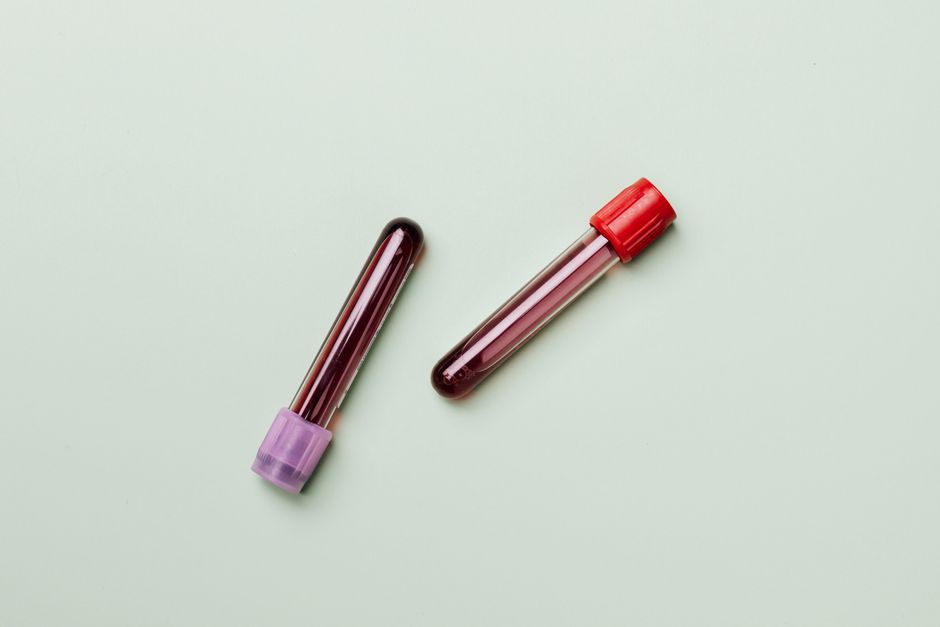
Phenolphthalein is a chemical that changes color depending on how acidic or basic a liquid is. It is not used to test for blood acids. Instead, it is a pH indicator that turns pink in basic solutions and stays colorless in acidic ones. This article explains what phenolphthalein actually does, why it is not a blood test, and how blood acidity is measured in real medical settings.
What Does Phenolphthalein Test For?
Phenolphthalein tests for the presence of bases, not acids. In chemistry, it is a pH indicator with a clear color change at a specific point. When the pH of a solution is below 8.2, phenolphthalein remains colorless. When the pH rises above 8.2, it turns bright pink or purple.
This makes phenolphthalein useful for acid-base titrations in a laboratory. A titration is a process where you add one solution to another to find out its concentration. Phenolphthalein tells you when the reaction is complete by changing color. It does not measure blood acids, blood gases, or any biological fluid directly.
Why Is Phenolphthalein Confused With Blood Testing?
The confusion likely comes from the word “acid” in the context of blood. People hear about blood acid levels and assume a chemical that reacts to acids must be involved. That assumption is incorrect.
Phenolphthalein has also appeared in medical contexts that are unrelated to blood. For example, it was once used as a laxative ingredient. It was also used in a screening test called the Kastle-Meyer test, which detects blood on surfaces. That test relies on phenolphthalein reacting with hemoglobin, the oxygen-carrying protein in red blood cells. The reaction produces a pink color when blood is present.
This forensic use may be the source of the myth. Phenolphthalein can help confirm that a stain contains blood. But it does not test blood for acids. It tests a stain to see if blood is there at all.
How Is Blood Acidity Actually Measured?
Blood acidity is measured with a test called an arterial blood gas test, often abbreviated as ABG. This test measures the pH of blood drawn from an artery, usually at the wrist. It also measures oxygen and carbon dioxide levels.
Normal arterial blood pH ranges from 7.35 to 7.45. This is slightly basic, not acidic. The body works hard to keep blood pH within this narrow range. Even small shifts outside this range can cause serious health problems.
The ABG test does not use phenolphthalein. It uses specialized electrodes that detect hydrogen ion concentration electronically. The results are reported as a pH number, not as a color change.



What Conditions Cause Abnormal Blood pH?
When blood pH falls below 7.35, the condition is called acidosis. When it rises above 7.45, it is called alkalosis. Both conditions can be dangerous and require medical attention.
There are two main categories of acidosis and alkalosis: respiratory and metabolic. Respiratory causes involve the lungs and carbon dioxide levels. Metabolic causes involve the kidneys, electrolytes, or metabolic processes in the body.
Examples of conditions that affect blood pH include:
- Diabetic ketoacidosis, which causes metabolic acidosis
- Chronic obstructive pulmonary disease, which can cause respiratory acidosis
- Severe vomiting, which can cause metabolic alkalosis
- Hyperventilation, which can cause respiratory alkalosis
Doctors diagnose these conditions using the ABG test along with other blood tests. They do not use phenolphthalein or any other color-changing indicator.
What Is the Kastle-Meyer Test Used For Today?
The Kastle-Meyer test is still used in forensic science as a presumptive test for blood. “Presumptive” means it suggests blood may be present but does not confirm it with certainty. A positive result means the sample should be sent for further testing.
Here is how the test works. A cotton swab is rubbed on the stain in question. A few drops of phenolphthalein solution are added, followed by a few drops of hydrogen peroxide. If hemoglobin is present, it speeds up a reaction that turns the swab pink within seconds.
This test is useful because it is fast and inexpensive. However, it is not specific to human blood. Some plant materials and certain chemicals can also produce a false positive. For this reason, a positive Kastle-Meyer result is followed by DNA analysis to confirm the blood is human.
Can Phenolphthalein Detect Acids in Other Contexts?
Phenolphthalein can detect acids only indirectly. In a titration, it tells you when an acid has been neutralized by a base. You add a base of known concentration to an acid of unknown concentration. When the solution turns pink, the acid is fully neutralized. From the amount of base used, you can calculate the acid concentration.
This is a standard technique in chemistry education and industrial quality control. It is used to measure acids in products like vinegar, wine, and fruit juice. It is also used to test the acidity of soil and water samples.
But again, this is a laboratory method. It requires controlled conditions and known reagents. It is not a method for testing human blood.
Are There Home Tests for Blood pH?
Some products claim to test body pH using urine or saliva samples with color-changing strips. These strips may use indicators like phenolphthalein or similar chemicals. However, these tests do not measure blood pH.
Urine pH and saliva pH are not the same as blood pH. The kidneys adjust urine pH to remove excess acids or bases from the body. Saliva pH also varies with food, drink, and time of day. Neither reflects the actual pH of your blood.
No reliable home test measures blood pH. Measuring blood pH requires an arterial blood sample and specialized equipment. If a doctor suspects a blood pH problem, they will order an ABG test in a clinical setting.
Marketing claims about “alkalizing your body” through diet are not supported by evidence. The body regulates blood pH tightly on its own. Food and drink have minimal impact on blood pH in healthy people. If blood pH were actually changing, that would signal a serious medical emergency, not a dietary imbalance.
What Happens If Blood pH Goes Out of Range?
Severe acidosis or alkalosis can affect every organ system in the body. Enzymes, which drive chemical reactions, work best at specific pH levels. When pH drifts, enzyme function declines.
The nervous system is especially sensitive to pH changes. Symptoms of acidosis may include confusion, fatigue, headache, and shortness of breath. Severe cases can lead to coma or death. Alkalosis may cause muscle twitching, hand tremor, nausea, and confusion.
Treatment depends on the underlying cause. For diabetic ketoacidosis, insulin and fluids are given. For respiratory acidosis, improving breathing is the priority. For metabolic alkalosis caused by vomiting, replacing fluids and electrolytes may be enough. Treatment always targets the cause, not just the pH number.
Why Accurate Blood Testing Matters
Blood tests are tools with specific purposes. A test that detects blood on a surface is different from a test that measures blood chemistry. Confusing the two can lead to serious misunderstandings about health.
If you are concerned about your blood pH, blood sugar, or any other health marker, talk to a doctor. They can order the correct tests and interpret the results accurately. Self-testing with unverified products can create false reassurance or unnecessary worry.
Phenolphthalein is a useful chemical with clear laboratory applications. Testing for blood acids is simply not one of them. Understanding what a test actually measures is the first step to using it correctly.
Frequently Asked Questions
Does phenolphthalein turn pink in acid?
No. Phenolphthalein stays colorless in acidic solutions. It turns pink only in basic solutions with a pH above 8.2.
Can phenolphthalein detect blood?
Yes, in the Kastle-Meyer test, phenolphthalein reacts with hemoglobin to produce a pink color. This test indicates blood may be present but does not confirm it.
What test measures blood acid levels?
An arterial blood gas test measures blood pH along with oxygen and carbon dioxide levels. It uses electronic electrodes, not chemical color indicators.
Is urine pH the same as blood pH?
No. Urine pH reflects what the kidneys are excreting and can vary widely. It does not accurately indicate blood pH.
