
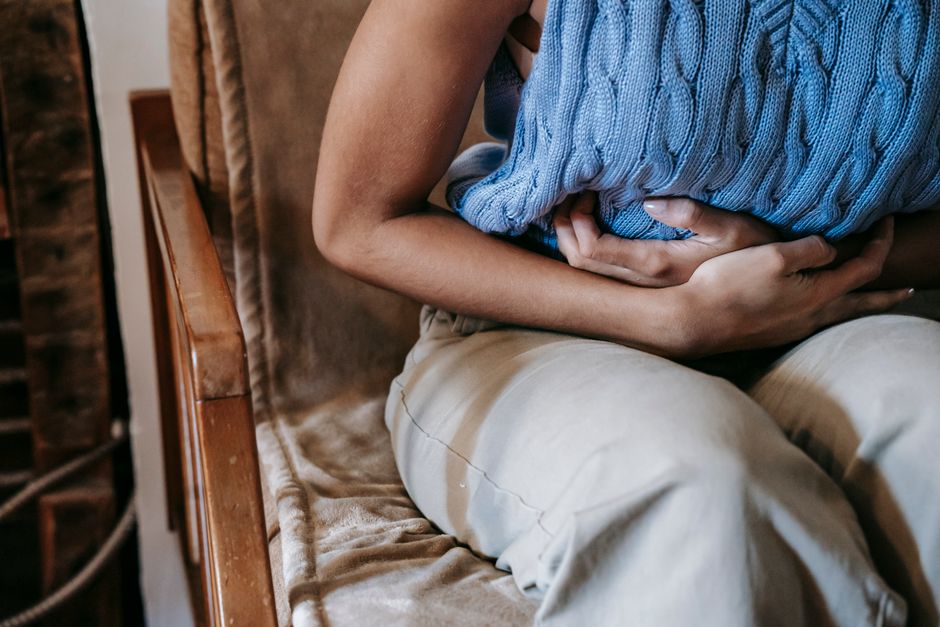
If you feel puffier, heavier, or like your waistband got tighter in the days before your period, you are not imagining it. Bloating before a period is very common and is considered a normal part of the menstrual cycle for most people. It is driven mainly by normal hormone shifts, not by something you did wrong with food or exercise.
The medical term for this cluster of symptoms is premenstrual syndrome, or PMS. Bloating is one of the most frequently reported PMS symptoms. For most people it is uncomfortable but not dangerous, and it usually fades within a few days after bleeding starts.
Why does bloating happen before your period?
Bloating before a period is largely a hormonal effect. In the second half of the cycle, after ovulation, levels of the hormone progesterone rise. Progesterone relaxes smooth muscle in the body, including the muscle in the walls of the intestines. When those muscles move more slowly, gas and stool can linger longer, which creates that full, tight feeling.
At the same time, levels of estrogen and progesterone shift in ways that affect how the body handles fluid. Many people retain a small amount of extra water in the days before bleeding begins. This is not the same as swelling from a medical fluid problem. It is a normal, temporary shift tied to the cycle.
There is a detail worth knowing here. The sensation of bloating and the physical reality of bloating do not always match. Some research using imaging has found that people can feel significantly bloated without a matching increase in actual abdominal gas or fluid. That means the uncomfortable feeling is real, but it is not always explained by a measurable buildup. The nervous system and gut signaling appear to play a role too.
Levels of hormone-like compounds called prostaglandins also rise just before and during a period. These help the uterus contract to shed its lining, and they can affect the gut as well, sometimes causing cramping, gas, or looser stools.
Is bloating before your period normal?
Yes. Bloating before a period is normal for most menstruating people and is listed among the common symptoms of PMS. It typically begins in the days before bleeding starts and eases once the period is underway.
What makes it “normal” is the pattern. It shows up in the same part of the cycle, it is tied to hormone shifts, and it resolves on its own. It does not usually signal a disease.
It becomes worth a medical conversation when the pattern changes or the symptom stops following the cycle. Signs that point away from ordinary PMS include:
- Bloating that is constant rather than cyclical, or that keeps getting worse over weeks
- Significant pain, nausea, or vomiting along with the bloating
- Rapid weight gain, or swelling in the legs and feet
- Bloating that continues well past the end of the period
- Changes in bowel habits that persist, such as ongoing diarrhea or constipation
These do not automatically mean something is wrong. They simply mean the symptom no longer fits the normal cyclical picture, and a clinician should take a look.
How long does period bloating usually last?
For most people, bloating builds in the days before bleeding starts and fades within a few days after it begins. The exact timing varies from person to person, and it can shift from one cycle to the next.
Some people notice it most in the two to three days right before their period. Others feel it earlier, during the second half of the cycle. There is no single correct timeline, and a wide range is normal.
If bloating reliably disappears by the end of your period, that cyclical pattern is itself reassuring. Bloating that does not follow the cycle at all is the piece worth paying attention to.





What helps with period bloating?
There is no single fix that works for everyone, and the evidence for many popular remedies is limited. A few approaches have reasonable support, and others are widely tried but not strongly proven.
General measures that many people find helpful include:
- Reducing salt in the days before your period, since sodium intake can affect water retention
- Regular movement, such as walking, which supports normal digestion
- Staying hydrated, which sounds counterintuitive but supports normal fluid balance
- Limiting alcohol and caffeine if you notice they make symptoms worse
- Eating regular meals with fiber from fruits, vegetables, and whole grains
Some clinicians also suggest calcium or magnesium supplements for PMS symptoms in general. The evidence for these is mixed, and dosing matters, so it is worth asking a clinician before starting them rather than guessing.
Nonsteroidal anti-inflammatory drugs such as ibuprofen are commonly used for period cramps, and they can help with related discomfort. They are not risk-free. They can irritate the stomach and are not appropriate for everyone, including some people with kidney problems or certain bleeding disorders. Check with a clinician or pharmacist if you are unsure whether they are safe for you.
Hormonal birth control is sometimes prescribed when PMS symptoms are severe, because it can stabilize the hormone shifts that drive them. This is a decision to make with a clinician, not something to start on your own.
When is bloating a sign of something else?
Persistent or worsening bloating that is not tied to your cycle can have other causes, and some of them deserve attention. This is not meant to alarm you. It is meant to help you tell the difference between a normal cyclical symptom and something that needs a closer look.
Conditions that can cause ongoing bloating include digestive issues such as irritable bowel syndrome, lactose intolerance, and celiac disease. In some cases, persistent bloating in people assigned female at birth can be a symptom worth evaluating for ovarian or other pelvic conditions, which is one reason clinicians take non-cyclical bloating seriously.
The key distinguishing feature is the relationship to your cycle. Bloating that comes and goes with your period, follows a predictable pattern, and resolves is behaving normally. Bloating that is new, constant, worsening, or paired with other symptoms is not following that pattern and should be evaluated.
Does diet cause period bloating?
Diet can make period bloating feel worse, but it is not usually the root cause. The hormonal shifts of the cycle are the main driver. Food and drink can add to the discomfort or ease it.
High-sodium meals can increase water retention, which may heighten that puffy feeling. Carbonated drinks can add gas. For people with sensitivities, certain foods may contribute. But cutting out entire food groups rarely solves cyclical bloating, because the cycle itself is doing most of the work.
The practical takeaway is modest. If you notice that salty or processed foods make your symptoms worse in the days before your period, easing off them may help you feel better. That is different from saying diet causes the bloating in the first place.
When should you talk to a doctor about bloating?
Talk to a clinician if bloating is severe enough to disrupt your daily life, if it no longer follows your cycle, or if it comes with symptoms that do not fit ordinary PMS. You know your own patterns better than anyone, and a change in a familiar pattern is a reasonable reason to check in.
Bringing a simple record can help. Noting when bloating starts, how long it lasts, and what else you notice can give a clinician useful information. That kind of detail often makes the difference between “this is normal” and “let’s look closer.”
For most people, period bloating is an uncomfortable but ordinary part of the cycle. It is common, it is tied to normal hormone shifts, and it passes. The important thing is knowing what fits that pattern and what does not.
Frequently Asked Questions
Is bloating before your period normal?
Yes, bloating before a period is common and considered a normal PMS symptom for most menstruating people. It is driven mainly by normal hormone shifts and usually eases once bleeding starts.
How long does period bloating last?
For most people it builds in the days before bleeding begins and fades within a few days after the period starts. The exact timing varies from person to person and cycle to cycle.
What causes bloating before a period?
Rising progesterone slows the muscles in the intestines, and hormone shifts can lead to mild water retention, both of which create a full or tight feeling. Prostaglandins around the period can also affect the gut.
When should bloating before a period worry me?
Bloating that is constant rather than cyclical, keeps getting worse, or comes with pain, rapid weight gain, or lasting bowel changes should be checked by a clinician. Normal cyclical bloating resolves on its own.
