
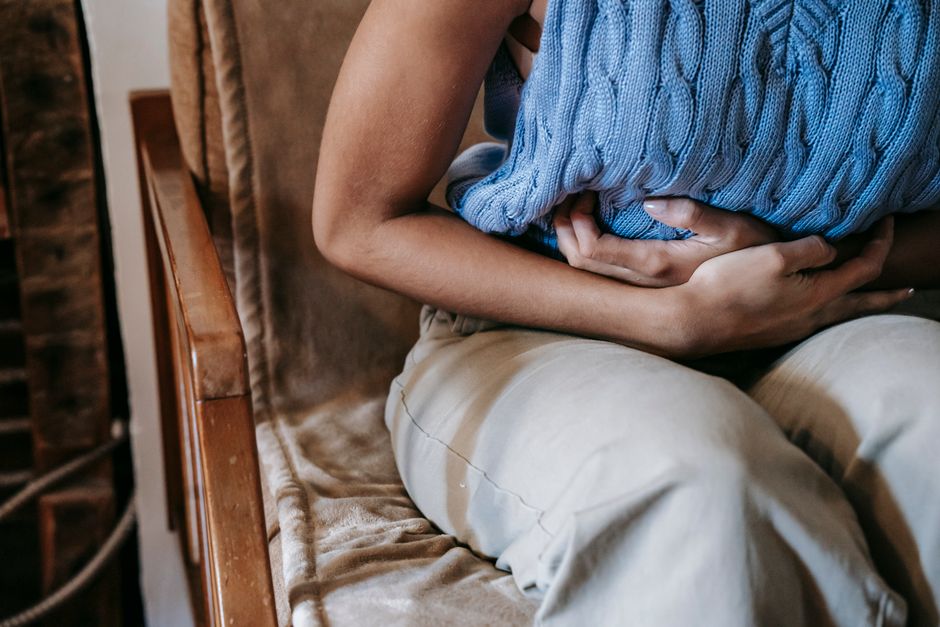
Bloating is one of the most common symptoms of premenstrual syndrome, or PMS, and it usually begins one to two weeks before your period starts. For many people, it shows up around the same point in each cycle and eases once bleeding begins. The cause is mostly hormonal — shifting levels of estrogen and progesterone affect how your body handles fluid and how your gut moves. It is uncomfortable, but it is also normal and predictable for most people.
When Does Bloating Start Before Period?
Bloating typically starts during the luteal phase — the second half of the menstrual cycle, after ovulation and before bleeding begins. That window is roughly 14 days in a textbook 28-day cycle, though cycle length varies widely from person to person.
In practice, many people notice bloating about 5 to 7 days before their period, and it often peaks in the day or two right before bleeding starts. Some notice it earlier, closer to ovulation. The timing is not identical for everyone because it depends on your own hormone patterns and cycle length.
The key point is that this is a recurring pattern, not a random event. If you track your cycle for a few months, you will likely see your bloating cluster in the same phase each time. That predictability is one of the things that separates normal premenstrual bloating from bloating caused by something else.
What Causes the Bloating Before a Period?
The main driver is hormonal. After ovulation, progesterone rises and estrogen fluctuates. These shifts change how your body regulates fluid and how your digestive tract moves.
Progesterone relaxes smooth muscle, including the muscle in your intestinal wall. When that muscle relaxes, digestion can slow, gas can build up, and you may feel full or distended. Estrogen also influences fluid balance and can contribute to water retention. Together, these changes produce the sensation of puffiness and pressure that people describe as period bloating.
Water retention is a real part of it. Many people gain a small amount of weight in the days before their period, largely from fluid. This is temporary and typically resolves within a few days after bleeding begins.
There is one clarification worth making. Bloating is a feeling of fullness or pressure in the abdomen. Distension is a visible increase in belly size. They often happen together before a period, but they are not the same thing, and some people have one without much of the other.
How Long Does Period Bloating Usually Last?
For most people, premenstrual bloating lasts from a few days up to about two weeks, depending on when in the cycle it begins. It usually improves within the first day or two of bleeding.
The relief after your period starts is not a coincidence. When progesterone falls and bleeding begins, the hormonal signals that promoted fluid retention and slowed digestion change. Many people notice their belly feels flatter and lighter within a day or two.
If bloating continues well past your period, or if it does not follow a cyclical pattern at all, that is a different situation. Persistent bloating that is not tied to your cycle deserves a conversation with a clinician, because it can have causes unrelated to hormones.





What Helps With Premenstrual Bloating?
There is no single fix that works for everyone, and the evidence for many remedies is limited. That said, a few approaches have reasonable support, and some are widely used in clinical practice even without large trials behind them.
- Reduce salt intake. High-sodium foods can worsen fluid retention. Cutting back in the days before your period is a common and reasonable step.
- Stay hydrated. Drinking enough water sounds counterintuitive when you feel puffy, but dehydration can prompt your body to hold onto fluid.
- Move your body. Light activity such as walking can help your gut move and may ease the feeling of fullness.
- Limit gas-producing foods. If certain foods make you gassy at baseline, they may bother you more in the premenstrual phase.
- Consider calcium. Some research suggests calcium intake may reduce premenstrual symptoms, including bloating. Talk to a clinician before adding supplements.
Be cautious with products marketed specifically for period bloating. Many make claims that no study has confirmed. If a supplement promises to “flush” water or “balance” hormones, treat that with skepticism until you see real evidence.
For people whose premenstrual symptoms are severe enough to disrupt daily life, clinicians sometimes recommend hormonal contraception or other prescription options. That is a decision to make with a healthcare provider, not something to self-treat.
When Is Bloating Something More Than PMS?
Cyclical bloating that comes and goes with your period is usually not a warning sign. Bloating that is persistent, worsening, or not tied to your cycle is worth investigating.
Several conditions can cause bloating that people mistake for PMS. These include irritable bowel syndrome, which often causes gas and distension, and gynecologic conditions such as endometriosis. Persistent bloating that occurs most days, lasts for weeks, or comes with other symptoms like pelvic pain, changes in bowel habits, or unexplained weight change should be evaluated by a clinician.
The distinction matters. Premenstrual bloating follows a pattern and resolves. Bloating from other causes tends to be more constant or unpredictable. If yours does not fit the cyclical pattern, do not assume it is just hormones.
Can You Prevent Period Bloating?
You cannot prevent the hormonal shifts that drive premenstrual bloating. What you can do is manage the factors that make it worse.
Tracking your cycle is genuinely useful here. When you know bloating tends to show up about a week before your period, you can adjust salt, fluids, and activity ahead of time rather than reacting after you already feel uncomfortable. Some people find that this alone makes the symptom feel more manageable.
It is also worth separating what you can control from what you cannot. Hormones will do what they do. Diet, hydration, and movement are the levers you actually have. None of them will eliminate bloating entirely, and anyone who tells you otherwise is overselling.
Does Everyone Get Bloated Before Their Period?
No. Premenstrual bloating is common, but not universal. Some people experience it every cycle, some occasionally, and some rarely or never.
The severity also varies widely. For some, it is a mild nuisance. For others, it is uncomfortable enough to affect how they dress, eat, or feel day to day. Both ends of that range fall within normal variation.
If your bloating is mild and predictable, it is likely just part of your cycle. If it is severe, persistent, or changing over time, that is your signal to get it checked rather than assume it is normal.
Frequently Asked Questions
How many days before your period does bloating start?
Bloating usually starts about 5 to 7 days before a period, though it can begin as early as one to two weeks before. It often peaks in the day or two right before bleeding starts.
Why do you bloat before your period?
Shifting estrogen and progesterone levels cause fluid retention and slow the movement of your digestive tract, which leads to fullness and pressure. These hormonal changes are the main reason premenstrual bloating happens.
Does period bloating go away on its own?
Yes, for most people it eases within the first day or two of bleeding as hormone levels change. If it persists well beyond your period, it should be evaluated by a clinician.
Is bloating before a period a sign of pregnancy?
Bloating can happen in early pregnancy, but it is also a normal premenstrual symptom, so bloating alone cannot tell you whether you are pregnant. A pregnancy test is the only reliable way to know.
