
Probiotics are live microorganisms that, when taken in adequate amounts, can provide health benefits to the person consuming them. Most people know them as the “good bacteria” found in yogurt, fermented foods, and dietary supplements. They work primarily in your digestive tract, where they interact with the trillions of microbes already living there. This community of microbes is called your gut microbiome, and it influences digestion, immune function, and many other body systems. Research shows that specific probiotic strains can help with certain digestive conditions, but the evidence for other health claims is much weaker.
What Is A Probiotic For Gut Health Immunity More?
A probiotic is a live microorganism that can improve health when consumed in the right amount. The most common types are bacteria from the Lactobacillus and Bifidobacterium families, though some yeasts like Saccharomyces boulardii also qualify. These organisms travel through your digestive system and can temporarily settle in your intestines, where they influence the balance of your gut microbiome.
The key word is “live.” For a product to be a true probiotic, the organisms must survive the journey through your stomach acid and reach your intestines alive. Many supplements and fermented foods contain these live organisms, but not all products labeled as probiotics meet this standard. The World Health Organization and the Food and Agriculture Organization define probiotics this way, and most researchers in the field use the same definition.
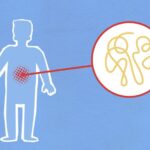
Your gut microbiome is remarkably complex. It contains trillions of bacteria, viruses, fungi, and other microbes that outnumber your own cells. These microbes help digest food, produce certain vitamins, train your immune system, and protect against harmful bacteria. When you take a probiotic, you are adding specific strains to this existing community in the hope of creating a beneficial change.
What Are The Proven Benefits Of Probiotics?
The strongest evidence for probiotics involves specific digestive conditions. Research consistently shows that certain strains can reduce antibiotic-associated diarrhea. Antibiotics kill harmful bacteria but also wipe out beneficial ones, which can allow Clostridioides difficile to overgrow and cause severe diarrhea. Taking a probiotic during antibiotic treatment can lower the risk of this complication.
Probiotics also show clear benefits for some people with irritable bowel syndrome (IBS). Studies have found that certain strains, particularly Bifidobacterium and some Lactobacillus species, can reduce bloating, gas, and abdominal pain in some IBS patients. The effect is modest and varies from person to person, but it is real for many people.
Another well-documented benefit is the treatment of acute infectious diarrhea, especially in children. Research has shown that specific strains like Lactobacillus rhamnosus GG and Saccharomyces boulardii can shorten the duration of diarrhea by about one day. This is why some pediatricians recommend these specific strains during episodes of gastroenteritis.
Evidence also supports probiotics for preventing and managing certain complications of ulcerative colitis, a form of inflammatory bowel disease. A specific product containing Escherichia coli Nissle 1917 has been studied for maintaining remission in ulcerative colitis, though it is not widely available in the United States.
Can Probiotics Actually Boost Your Immune System?
This is an area where the marketing far exceeds the evidence. The idea is biologically plausible. About 70 percent of your immune system cells live in your gut, and the microbes there constantly communicate with immune cells. Some studies suggest that certain probiotic strains can reduce the duration of common respiratory infections or reduce the number of sick days people take.
However, the evidence is not strong enough to make firm recommendations. Some research suggests that probiotics may slightly reduce the risk of upper respiratory tract infections, but the studies vary widely in quality and results. A 2023 review of multiple trials found that probiotics might reduce the incidence of respiratory infections, but the authors noted the evidence was low quality and the effect was small.
What is clear is that probiotics do not “boost” your immune system the way supplement companies suggest. A healthy immune system is about balance, not strength. Probiotics may support immune function indirectly by maintaining a healthy gut barrier and supporting the growth of beneficial microbes. But no probiotic has been proven to prevent COVID-19, the flu, or any other specific infection.
The honest position is this: probiotics may offer modest immune support, but they are not a substitute for vaccination, hand washing, or other proven preventive measures.




What Are The Best Food Sources Of Probiotics?
Fermented foods are the most natural source of probiotics. Yogurt is the most familiar, but it must contain live cultures to count. Look for “live and active cultures” on the label. Many commercial yogurts are pasteurized after fermentation, which kills the beneficial bacteria.
- Yogurt with live cultures
- Kefir, a fermented milk drink with multiple bacterial strains and yeasts
- Kimchi, a Korean fermented cabbage dish
- Sauerkraut that is unpasteurized
- Miso, a fermented soybean paste
- Tempeh, a fermented soybean cake
- Kombucha, a fermented tea
Not all fermented foods contain probiotics. Beer and wine are fermented but the organisms are filtered out. Most commercial sauerkraut is pasteurized, which kills the bacteria. Sourdough bread is baked, which kills the organisms. The label must indicate live cultures for the food to provide probiotics.
Prebiotics are different from probiotics. Prebiotics are types of fiber that feed the beneficial bacteria already in your gut. Foods like garlic, onions, bananas, oats, and asparagus are good sources. You do not need to take a prebiotic supplement to get these benefits. Eating a diet rich in plant foods naturally provides the fiber that supports a healthy microbiome.
Are Probiotic Supplements Worth Taking?
For healthy adults, the evidence that probiotic supplements provide meaningful benefits is limited. Most studies show that taking a general probiotic supplement does not significantly change your gut microbiome composition in the long term. The bacteria from supplements usually pass through your system within a few weeks after you stop taking them.
Probiotic supplements are most likely to help in specific situations. If you are taking antibiotics, a specific probiotic strain may reduce your risk of diarrhea. If you have IBS, certain strains may reduce your symptoms. If you are traveling to a region with high rates of traveler’s diarrhea, some evidence suggests certain strains can reduce your risk.
When choosing a supplement, look for the specific strain rather than just the species. Lactobacillus rhamnosus GG is a specific strain that has been studied extensively. Saccharomyces boulardii is a yeast strain with good evidence for preventing antibiotic-associated diarrhea. The product should list the strain, the dose in colony-forming units (CFUs), and an expiration date.
A common dose in clinical trials is 1 to 10 billion CFUs per day, though some products contain much higher amounts. More CFUs do not necessarily mean better results. The strain matters more than the total count.
Are There Any Risks Or Side Effects?
For healthy people, probiotics are generally safe. The most common side effects are mild gas and bloating during the first few days of use. These symptoms usually resolve on their own as your gut adjusts.
Serious infections from probiotics are extremely rare but have been reported. People with weakened immune systems, those who are critically ill, and premature infants are at higher risk. In these populations, probiotic bacteria can sometimes enter the bloodstream and cause infections. If you have a compromised immune system, talk to your doctor before taking any probiotic supplement.
People with short bowel syndrome or those with central venous catheters should also avoid probiotics unless their doctor specifically recommends them. The risk of bacterial translocation is real in these situations.
There is no established safe dose for pregnant women. Most research on probiotics during pregnancy has not shown harm, but large safety trials have not been conducted. If you are pregnant, discuss probiotic use with your obstetrician before starting any supplement.
How Long Does It Take For Probiotics To Work?
This depends on what you are using them for. For acute diarrhea, benefits can appear within days. For antibiotic-associated diarrhea, you would take the probiotic throughout the antibiotic course and see benefit during that time. For IBS symptoms, most studies show improvement after two to four weeks of daily use.
For general gut health, there is no standard timeline. Some research suggests that a consistent daily intake over several weeks can influence the gut microbiome, but the changes are usually temporary. Once you stop taking the probiotic, the effect fades within weeks.
Consistency matters more than dose. Taking a probiotic sporadically is unlikely to produce meaningful changes. If you are using a probiotic for a specific condition, take it daily as directed and give it at least four weeks before judging whether it works.
Frequently Asked Questions
What is the difference between a probiotic and a prebiotic?
Probiotics are live microorganisms that provide health benefits when consumed. Prebiotics are types of fiber that feed the beneficial bacteria already living in your gut.
Can I take probiotics with antibiotics?
Yes, taking a specific probiotic strain like Saccharomyces boulardii or Lactobacillus rhamnosus GG can reduce the risk of antibiotic-associated diarrhea. Take the probiotic at least two hours apart from the antibiotic dose.
Do I need a probiotic supplement if I eat yogurt?
Not necessarily. Yogurt with live cultures provides probiotics, but the strains and amounts vary widely between products. If you are using a probiotic for a specific condition, a supplement with a studied strain is more reliable.
Are probiotics safe for children?
Some strains like Lactobacillus rhamnosus GG have been studied in children for treating acute diarrhea and are generally considered safe for healthy kids. Always ask a pediatrician before giving any supplement to an infant or child with a medical condition.
