
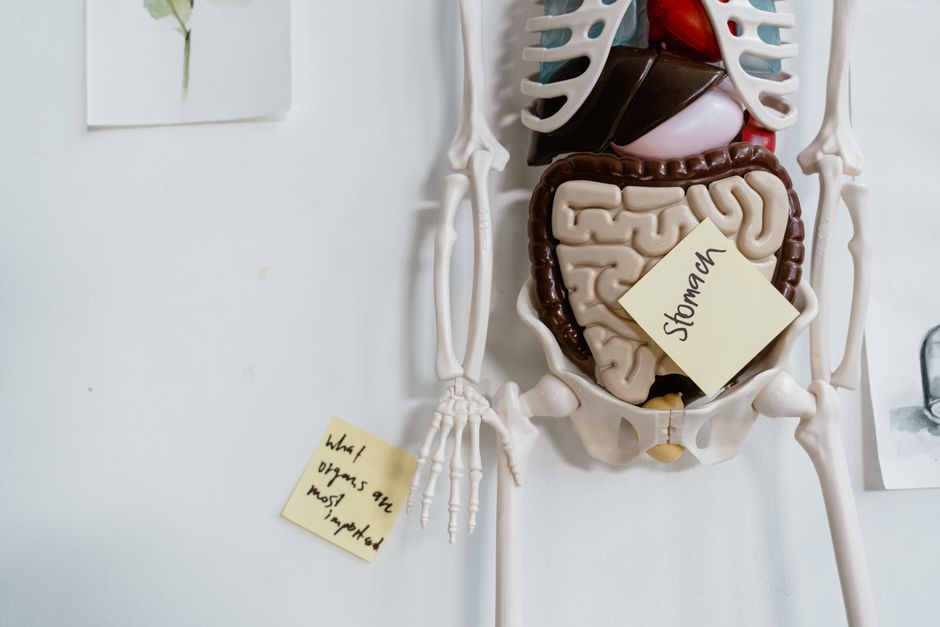
Bad gut health is not a single diagnosis. It is a collection of symptoms that suggest your digestive system is not working as well as it should. These signs range from obvious digestive issues like bloating and irregular bowel movements to less obvious signals like fatigue and skin problems. The gut, also called the gastrointestinal tract, is responsible for breaking down food, absorbing nutrients, and housing trillions of bacteria that influence digestion, immunity, and even mood. When this system is off balance, your body sends out warning signals.
What Are the Most Common Digestive Signs of Bad Gut Health?
The most direct signs of bad gut health show up in how your body processes food. Persistent bloating after normal meals, excessive gas, and abdominal discomfort are common complaints. These symptoms often suggest that food is not being broken down efficiently or that the balance of bacteria in the colon has shifted.
Irregular bowel habits are another major clue. This includes chronic constipation, frequent diarrhea, or alternating between the two. A healthy gut typically produces one to three bowel movements per day or one every two to three days, depending on the person. What matters most is consistency. If your pattern changes suddenly and stays changed for weeks, that is a signal worth attention.
Heartburn and acid reflux can also point to gut issues. The lower esophageal sphincter, a muscular ring between the stomach and esophagus, may not be closing properly. This allows stomach acid to flow upward. While occasional reflux is common, frequent episodes may indicate a deeper digestive imbalance.
How Does Bad Gut Health Affect Your Energy and Mood?
The gut and brain are directly connected through the vagus nerve. This nerve runs from the brainstem to the abdomen and carries signals in both directions. The gut also produces about 90 percent of the body’s serotonin, a chemical that helps regulate mood, sleep, and appetite. When gut function declines, these systems can be disrupted.
Persistent fatigue that does not improve with rest can be a sign of poor nutrient absorption. If the intestinal lining is inflamed, your body may struggle to absorb iron, B vitamins, and other nutrients essential for energy production. Some research also suggests that an imbalanced gut microbiome can affect sleep quality, which compounds daytime tiredness.
Brain fog, difficulty concentrating, and irritability are frequently reported by people with digestive complaints. The evidence linking gut health to mood is growing, but it is not fully settled. Some studies suggest that improving gut health through diet can help with mild mood symptoms, but it is not a replacement for mental health treatment.
Can Bad Gut Health Show Up on Your Skin?
Yes. Skin conditions like acne, eczema, and rosacea have been linked to gut health, though the connection is complex. The gut-skin axis is a recognized concept in dermatology. Inflammation in the gut can trigger systemic inflammation, which may worsen skin conditions.
Research has found that people with certain skin disorders often have different gut bacteria compared to people without those conditions. However, this does not mean fixing your gut will cure your skin. The relationship is bidirectional and influenced by genetics, hormones, and environment. If you have persistent skin issues, seeing a dermatologist is the right first step.
One more visible sign is unexplained changes in your skin’s appearance, such as dullness or increased sensitivity. These are not diagnostic on their own, but they can be part of a broader picture of digestive distress.





What Do Food Intolerances Have to Do With Gut Health?
Food intolerances are different from food allergies. An allergy involves the immune system and can be life-threatening. An intolerance means your body has trouble digesting a specific food component. Lactose, gluten, and certain carbohydrates called FODMAPs are common triggers.
Developing new food intolerances as an adult can be a sign that your gut lining has become more permeable, often called “leaky gut.” This is a debated concept in medicine. Some experts believe increased intestinal permeability allows undigested food particles to enter the bloodstream, triggering immune responses. Others argue the condition is overdiagnosed and poorly defined.
What is clear is that if you suddenly cannot tolerate foods you previously ate without issues, your digestive system has changed. This warrants a conversation with a doctor. Do not cut out entire food groups on your own without medical guidance, as this can lead to nutrient deficiencies.
What Are the Less Obvious Signs of Bad Gut Health?
Some signs of bad gut health are easy to miss because they do not seem digestive at all. Unintentional weight changes, either loss or gain, can indicate poor nutrient absorption or altered metabolism. If you are eating normally but losing weight, your gut may not be extracting enough calories and nutrients from food.
Frequent illnesses can also point to gut problems. About 70 percent of the immune system resides in the gut-associated lymphoid tissue. When gut health declines, immune function can suffer. If you catch every cold that goes around, your digestive health may be a contributing factor.
Chronic bad breath, despite good oral hygiene, can originate in the gut. Bacterial overgrowth in the small intestine can produce gases that are absorbed into the bloodstream and released through the lungs. This is called halitosis of gastrointestinal origin, and it is a real but uncommon cause of persistent bad breath.
How Do You Know If Your Gut Health Is Actually Bad?
There is no single test that definitively diagnoses “bad gut health.” The term is broad and not a medical diagnosis. Doctors evaluate gut health through specific symptoms, medical history, and targeted tests when needed.
If you experience any of the following, it is worth discussing with a healthcare provider:
- Blood in your stool
- Unexplained weight loss
- Severe abdominal pain that interferes with daily life
- Persistent diarrhea lasting more than a few days
- Constipation lasting more than three weeks
- Difficulty swallowing or pain when swallowing
These symptoms require proper evaluation. They can indicate conditions like inflammatory bowel disease, celiac disease, or gastrointestinal infections. Do not assume they are just “a sensitive stomach.”
For milder symptoms, keeping a food and symptom diary for two weeks can help identify patterns. Note what you eat, when symptoms occur, and their severity. This information is valuable for any doctor you consult.
What Actually Improves Gut Health?
Diet is the most studied approach to improving gut health. A diet rich in fiber supports beneficial gut bacteria. Fiber acts as a prebiotic, meaning it feeds the good bacteria in your colon. Whole grains, legumes, fruits, and vegetables are excellent sources.
Fermented foods contain live bacteria called probiotics. Yogurt with active cultures, kefir, sauerkraut, and kimchi are common examples. Some research suggests these foods can increase microbial diversity in the gut. However, probiotic supplements have mixed evidence behind them. Different strains have different effects, and not all products contain the strains studied in clinical trials.
Hydration matters more than most people realize. Water helps fiber do its job. Without adequate fluid, a high-fiber diet can worsen constipation. Aim for consistent water intake throughout the day rather than large amounts at once.
Sleep and stress management also affect gut health. The gut has its own nervous system, called the enteric nervous system. Stress signals from the brain can slow or speed up digestion. Poor sleep has been linked to less diverse gut bacteria in some studies. Addressing these lifestyle factors is not a cure-all, but it is a legitimate part of digestive health.
When Should You See a Doctor About Gut Symptoms?
See a doctor promptly if you have blood in your stool, black or tarry stools, severe pain, or unintentional weight loss. These can be signs of serious conditions that require immediate attention.
For milder but persistent symptoms lasting more than two weeks, schedule a routine appointment. Your doctor may order blood tests, stool tests, or imaging depending on your symptoms. They may also refer you to a gastroenterologist, a specialist in digestive disorders.
Be specific about your symptoms during the visit. Describe when they started, how often they occur, and what makes them better or worse. This information helps your doctor narrow down possible causes. Do not self-diagnose based on internet articles. Many digestive conditions share overlapping symptoms, and only proper testing can distinguish between them.
Frequently Asked Questions
Can bad gut health cause weight gain?
Yes, it can. An imbalanced gut microbiome may affect how your body stores fat and regulates appetite hormones.
How long does it take to improve gut health?
Dietary changes can start affecting digestion within days, but meaningful changes to gut bacteria can take several weeks or months.
Is bloating every day normal?
No. Occasional bloating after large meals is normal, but daily bloating is not and should be evaluated by a doctor.
Can stress alone cause bad gut health?
Stress can significantly disrupt digestion and alter gut bacteria, but it is usually one factor among several including diet and sleep.
