
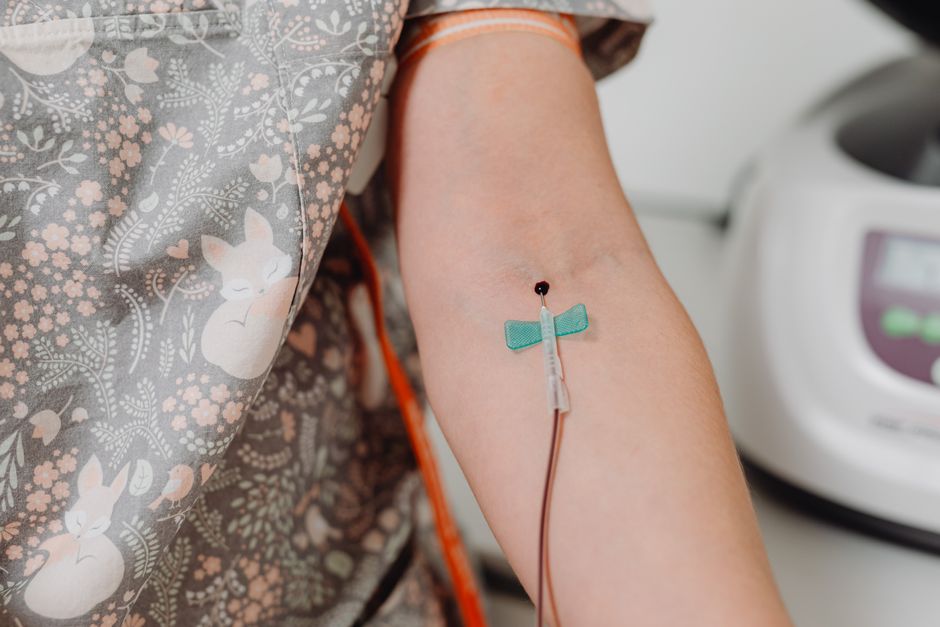
Mild leukopenia means your white blood cell count is slightly below the normal range on a blood test. White blood cells help your body fight infections. A mild drop is usually temporary and not dangerous, but it does need attention to find the cause.
What Is Considered Mild Leukopenia on a Blood Test?
A normal white blood cell count is typically between 4,500 and 11,000 cells per microliter of blood. Mild leukopenia means your count falls between 3,000 and 4,500. Your doctor looks at the exact number and how long it has been low.
Low counts below 3,000 are considered moderate or severe. Those cases carry a higher risk of infection. Mild leukopenia rarely causes symptoms on its own. Most people find out about it during a routine blood test for something else.
The complete blood count (CBC) is the standard test. It measures all types of white blood cells. Neutrophils are the most common type and the ones most often affected in leukopenia. A low neutrophil count specifically is called neutropenia.
What Causes Mild Leukopenia?
There are many possible causes. Some are harmless and temporary. Others point to an underlying condition that needs treatment. A single blood test with mild leukopenia is rarely a reason to panic.
Common temporary causes include viral infections like the flu or a cold. Your body uses up white blood cells fighting the virus. The count usually returns to normal within a few weeks. Certain medications can also lower counts temporarily. Antibiotics, antivirals, and some blood pressure drugs are known causes.
Chronic conditions can cause mild leukopenia too. Autoimmune diseases like lupus or rheumatoid arthritis sometimes affect bone marrow production. Vitamin deficiencies, especially B12 and folate, can lower white blood cell counts. Bone marrow problems are less common but possible.
The table below shows common causes grouped by how often they appear in clinical practice.
| Cause Category | Examples | How Common |
|---|---|---|
| Infections | Viral cold, flu, HIV, hepatitis | Very common |
| Medications | Antibiotics, antivirals, chemotherapy | Common |
| Nutritional Deficiencies | B12, folate, copper deficiency | Less common |
| Autoimmune Conditions | Lupus, rheumatoid arthritis | Uncommon but important |
| Bone Marrow Disorders | Leukemia, aplastic anemia | Rare |
Does Mild Leukopenia Need Treatment?
Most cases of mild leukopenia do not need treatment. The body usually corrects itself once the cause is addressed. For example, if a viral infection caused the drop, the count rises as you recover.
Treatment focuses on the underlying cause. If a medication is responsible, your doctor might adjust the dose or switch drugs. For vitamin deficiencies, supplements bring levels back to normal. Autoimmune conditions may need disease-modifying therapies.
In rare cases where the count stays low for a long time, doctors monitor more closely. They may repeat blood tests every few weeks. If the count drops further or you develop infections, treatment options include growth factor medications that stimulate white blood cell production.
Some people report success with dietary changes. This is widely claimed though strong evidence is limited. Eating a balanced diet with enough protein, B vitamins, and zinc supports immune function. No food has been proven to directly raise white blood cell counts.




What Are the Risks of Mild Leukopenia?
The main risk is a higher chance of getting infections. With fewer white blood cells, your immune system has less firepower. However, mild leukopenia usually does not cause serious infections in otherwise healthy people.
Research published in the American Journal of Medicine found that mild leukopenia is rarely linked to severe outcomes. Most people with counts above 3,000 do not develop unusual infections. The risk increases as the count drops lower.
People with weakened immune systems from other conditions face higher risks. Cancer patients on chemotherapy, organ transplant recipients, and those with HIV need closer monitoring. For them, even mild leukopenia can be concerning.
Symptoms to watch for include fever, sore throat, mouth sores, or frequent infections. If you have any of these with a low count, see your doctor. Otherwise, mild leukopenia often resolves on its own without problems.
How Is Mild Leukopenia Diagnosed and Monitored?
Diagnosis starts with a complete blood count. If the result shows a low white blood cell count, your doctor may repeat the test to confirm. A single low reading can be a lab error or a temporary dip.
If the count stays low, the next step is a differential blood test. This breaks down the types of white blood cells. It helps identify which cell type is low. Neutropenia is the most common finding in leukopenia.
Your doctor will ask about your medical history, medications, and recent illnesses. They may check for symptoms like fatigue, weight loss, or swollen lymph nodes. If needed, further tests include vitamin levels, autoimmune panels, or a bone marrow biopsy.
Monitoring depends on the cause and severity. For mild cases with no symptoms, follow-up blood tests every 3 to 6 months are typical. If the cause is known and treatable, the count is checked after treatment starts. The goal is to see the number return to normal.
What Does Research on Mild Leukopenia Show?
Studies have found that mild leukopenia is common and usually benign. A 2019 review in the Journal of General Internal Medicine looked at over 10,000 patients with low white blood cell counts. Most had no serious underlying disease.
The same review showed that only about 2 percent of patients with mild leukopenia developed a serious condition like leukemia. The vast majority had temporary causes or benign ethnic neutropenia. This is a normal variation seen in people of African, Middle Eastern, or Caribbean descent.
Benign ethnic neutropenia is not a disease. People with this condition have naturally lower counts but normal immune function. They do not get more infections. The CDC and the National Institutes of Health recognize this as a normal variant.
Some studies suggest that mild leukopenia may be linked to a lower risk of some cancers. The reason is not clear. It may be related to lower inflammation or differences in bone marrow activity. This is an area of ongoing research.
What to Avoid When You Have Mild Leukopenia
Do not assume the worst. Mild leukopenia is rarely dangerous. Jumping to conclusions about leukemia or other serious conditions causes unnecessary stress. Most cases are harmless and temporary.
Avoid self-treating with supplements without medical advice. High doses of some vitamins can be toxic. Zinc, for example, can suppress immune function in excessive amounts. Always talk to your doctor before starting any supplement.
Do not ignore symptoms of infection. Even with mild leukopenia, a fever over 100.4°F (38°C) needs prompt evaluation. Sore throat, cough, or skin infections should not be dismissed as minor.
Avoid close contact with people who have active infections. Wash hands regularly. Practice good hygiene. These simple steps reduce your infection risk regardless of your white blood cell count.
- Get enough sleep — 7 to 9 hours per night supports immune function
- Eat a balanced diet with fruits, vegetables, and lean protein
- Stay up to date on vaccines, especially flu and pneumonia shots
- Limit alcohol — heavy drinking can lower white blood cell counts
- Manage stress through exercise, meditation, or hobbies
What Does Mild Leukopenia Mean On A Blood Test — Key Takeaway
A mild leukopenia finding on a blood test means your white blood cell count is slightly low but not dangerously so. It is a common lab result that usually has a simple explanation. Viral infections, medications, and normal ethnic variation are the most frequent causes.
Your doctor will look at the whole picture. They consider your symptoms, medical history, and other lab values. A single mild leukopenia result rarely requires urgent action. Follow-up testing is the standard approach.
Do not let the term leukopenia scare you. It is a descriptive word, not a diagnosis. Most people with mild leukopenia live normal, healthy lives. The key is to find and address the underlying cause with your healthcare provider.
Frequently Asked Questions
Can mild leukopenia go away on its own?
Yes, it often does. Most cases resolve once the cause, like a viral infection or medication, is addressed.
Is mild leukopenia a sign of cancer?
Rarely. Research shows only about 2 percent of mild leukopenia cases are linked to serious conditions like leukemia.
What foods help raise white blood cell count?
No food has been proven to directly raise counts. A balanced diet with protein, B12, and zinc supports immune health.
Should I worry about mild leukopenia during pregnancy?
Mild drops are normal in pregnancy due to increased blood volume. Your doctor monitors it as part of routine prenatal care.
