
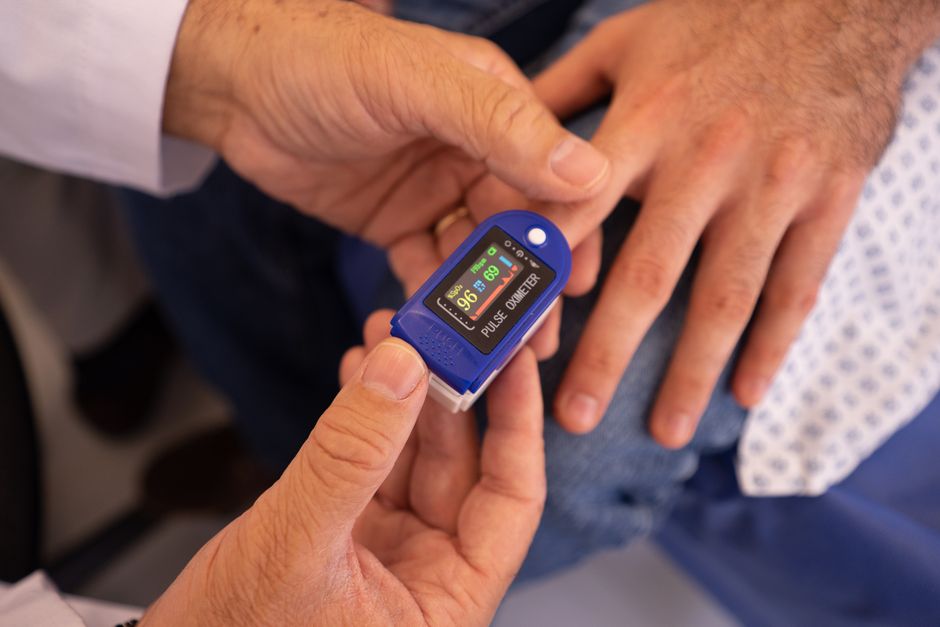
Low blood oxygen, known medically as hypoxemia, means the oxygen level in your arterial blood is lower than normal. When this happens, your organs and tissues do not get the oxygen they need to function properly. It is a serious sign that your lungs or heart may not be working as they should, and it requires prompt medical attention rather than home treatment.
What Is a Normal Blood Oxygen Level?
For a healthy person, normal blood oxygen levels typically range from 95% to 100% when measured with a pulse oximeter. This device clips onto your finger and estimates the percentage of oxygen in your blood. Levels between 91% and 94% are low and should be evaluated by a doctor. A reading of 90% or below is considered critically low and requires immediate emergency medical care.
Blood oxygen is also measured directly through an arterial blood gas test, which draws blood from an artery. A normal partial pressure of oxygen in arterial blood is between 75 and 100 mmHg. Numbers below 60 mmHg indicate severe hypoxemia.
What Are the Most Common Causes of Low Blood Oxygen?
Several conditions can cause blood oxygen levels to drop. The most common causes fall into categories based on how oxygen moves from the air into your blood.
Lung conditions are the leading cause of hypoxemia. Chronic obstructive pulmonary disease, asthma, pneumonia, pulmonary edema, and pulmonary fibrosis all impair the lungs’ ability to transfer oxygen into the bloodstream. When lung tissue is damaged or airways are blocked, less oxygen reaches the blood.
Heart conditions can also cause low blood oxygen. Congenital heart defects, heart failure, and conditions where blood bypasses the lungs can prevent oxygen from being picked up properly. When the heart cannot pump blood efficiently, oxygen delivery to tissues suffers.
Anemia reduces the blood’s oxygen-carrying capacity. Red blood cells carry oxygen through the body, and when their count is low, even normal lung function cannot deliver enough oxygen to tissues.
High altitude is a common environmental cause. At higher elevations, the air contains less oxygen, so your blood oxygen saturation naturally drops. People traveling to altitudes above 8,000 feet often experience mild hypoxemia until their bodies adapt.
Sleep apnea causes repeated pauses in breathing during sleep, leading to intermittent drops in blood oxygen. These drops can be significant and may go unnoticed for years.
What Does Low Blood Oxygen Feel Like?
Symptoms of low blood oxygen vary depending on how quickly the level drops and how severe the deficiency becomes. Mild hypoxemia may produce few or no symptoms at all, which is why routine monitoring matters for people with chronic conditions.
Common symptoms include:
- Shortness of breath, especially with activity
- Rapid breathing
- Rapid heartbeat
- Headache
- Confusion or difficulty concentrating
- Bluish tint to the lips, fingertips, or skin
- Dizziness or lightheadedness
- Fatigue and weakness
Severe hypoxemia can cause confusion, loss of consciousness, and eventually organ failure. The brain is particularly sensitive to low oxygen, and symptoms like confusion or disorientation signal that the situation is becoming dangerous.
A bluish discoloration of the skin, called cyanosis, is a late sign of dangerously low oxygen. By the time cyanosis appears, the condition is already severe and requires immediate emergency treatment.



How Is Low Blood Oxygen Diagnosed?
Doctors use several methods to diagnose hypoxemia and identify its underlying cause. The first and simplest test is pulse oximetry, which provides a quick estimate of oxygen saturation. This test is non-invasive and takes seconds to perform.
An arterial blood gas test provides the most accurate measurement. Blood is drawn from an artery, usually at the wrist, and analyzed for oxygen and carbon dioxide levels. This test also measures blood pH and helps doctors understand how well the lungs are exchanging gases.
Additional tests help identify the cause of low oxygen. A chest X-ray can show lung infections, fluid, or structural problems. Pulmonary function tests measure how well the lungs move air in and out. An electrocardiogram and echocardiogram evaluate heart function. Blood tests check for anemia and other conditions that affect oxygen transport.
In some cases, doctors perform a test called the six-minute walk test. This measures how far a person can walk in six minutes and how much their oxygen levels drop during activity. It is commonly used to evaluate people with chronic lung disease.
What Are the Treatment Options for Low Blood Oxygen?
Treatment depends entirely on the underlying cause. Oxygen therapy is the most direct treatment for hypoxemia itself. Supplemental oxygen is delivered through nasal prongs, a mask, or in severe cases, a ventilator. The goal is to raise blood oxygen levels to a safe range, typically above 90%.
For people with chronic conditions like COPD, long-term oxygen therapy may be necessary. This usually involves using supplemental oxygen for at least 15 hours per day. Some people need oxygen only during sleep or physical activity, while others require it around the clock.
Treating the underlying condition is equally important. Antibiotics treat pneumonia. Bronchodilators and steroids open airways in asthma and COPD. Diuretics remove fluid from the lungs in heart failure. Blood transfusions treat severe anemia. CPAP therapy treats sleep apnea by keeping the airway open during sleep.
In emergency situations, positive pressure ventilation may be required. This pushes air into the lungs under pressure, helping oxygen cross into the bloodstream when breathing is too shallow or weak.
No home remedy or supplement can replace medical treatment for hypoxemia. This is a condition that requires proper diagnosis and management by healthcare professionals.
When Should You Seek Emergency Care for Low Blood Oxygen?
Low blood oxygen can become life-threatening quickly. Emergency medical care is needed if you experience severe shortness of breath at rest, chest pain, confusion, difficulty speaking, or a bluish tint to your lips or fingertips.
If you have a pulse oximeter at home and your reading drops to 90% or below, seek emergency care immediately. Do not wait to see if it improves on its own.
People with chronic lung conditions should have an action plan from their doctor that specifies when to seek help. This plan often includes a lower oxygen threshold, such as 88%, for people with advanced COPD who normally run lower levels.
Can Low Blood Oxygen Be Prevented?
Prevention focuses on managing risk factors and underlying conditions. Not smoking is the single most important step for protecting lung health. Smoking damages lung tissue directly and is the leading cause of COPD.
Managing chronic conditions like asthma, diabetes, and heart disease reduces the risk of complications that lead to hypoxemia. Regular check-ups allow doctors to monitor lung function and adjust treatments before problems become severe.
Vaccinations against influenza and pneumococcal pneumonia help prevent respiratory infections that can cause dangerous drops in oxygen. These infections are especially risky for older adults and people with chronic conditions.
For travelers heading to high altitudes, gradual ascent allows the body to adapt to lower oxygen levels. Spending a few days at intermediate altitudes before going higher reduces the risk of altitude sickness and hypoxemia.
Frequently Asked Questions
What is a dangerous blood oxygen level?
A blood oxygen reading of 90% or below is dangerously low and requires immediate emergency medical care. Levels between 91% and 94% are also low and should be evaluated by a doctor promptly.
Can low blood oxygen cause permanent damage?
Yes, prolonged low blood oxygen can damage the brain, heart, and other organs. The brain is especially vulnerable, and severe or prolonged hypoxemia can cause lasting cognitive impairment or organ failure.
Does a pulse oximeter always show accurate blood oxygen levels?
Pulse oximeters are generally accurate within 2% to 3%, but they can give false readings in certain situations. Poor circulation, cold hands, nail polish, and dark skin pigmentation can all affect the accuracy of the reading.
Can anxiety cause low blood oxygen?
Anxiety can cause rapid breathing and hyperventilation, but it does not typically cause genuinely low blood oxygen levels. If you feel short of breath and your oxygen reading is normal, anxiety may be the cause, but a doctor should rule out physical causes first.
