
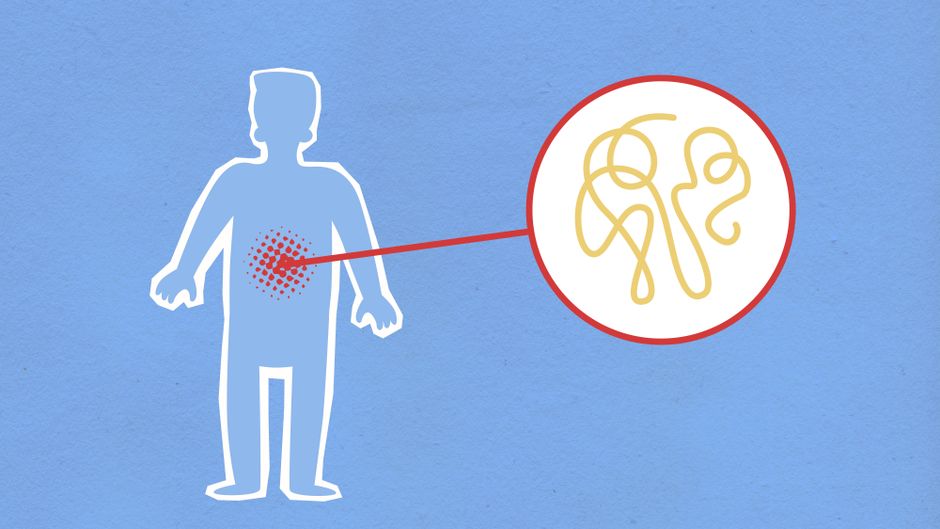
“Leaky gut” is a plain-language nickname for increased intestinal permeability — a real, measurable biological process in which the lining of the gut becomes more permissive to substances that normally stay inside the digestive tract. The intestinal wall is not a solid pipe; it is a single layer of cells sealed together by protein junctions that open and close on purpose. When those seals loosen or the cell layer is injured, larger molecules, bacterial fragments, and toxins can cross into the bloodstream. Whether that process is the cause of common chronic symptoms or a consequence of other conditions is where the science gets genuinely unsettled.
What Does Leaky Gut Mean Causes And Symptoms
The term describes a change in the gut barrier, not a diagnosed disease. No major medical body recognizes “leaky gut syndrome” as a standalone clinical diagnosis, and that gap matters when you are sorting real biology from marketing.
What is real is the barrier itself. The lining of your intestines is roughly one cell thick. Those cells, called enterocytes, are joined at their edges by structures known as tight junctions. Tight junctions are not static glue — they actively open and close to let water, electrolytes, and some nutrients through while keeping larger particles and microbes out.
When tight junctions loosen or enterocytes are damaged, permeability rises. Researchers can measure this in humans using tests such as the lactulose-to-mannitol urinary ratio, where two sugars of different sizes are swallowed and their recovery in urine is compared. A higher ratio suggests the barrier is letting larger molecules pass. This is an established research tool, not a routine clinical test.
The confusion arises at the next step. Increased permeability is documented in several conditions. Whether it drives those conditions, results from them, or simply travels alongside them is often not resolved. That is a different question from whether the barrier can become more permeable — it clearly can.
What Causes Increased Intestinal Permeability?
Several well-documented factors can raise permeability. Most are studied in specific clinical settings rather than in generally healthy people.
- Inflammation. Inflammatory signaling molecules can directly loosen tight junctions. This is one of the better-established mechanisms.
- Infections and gut illness. Bacterial, viral, and parasitic gastrointestinal infections are known to disrupt the barrier, sometimes temporarily.
- Certain medications. Nonsteroidal anti-inflammatory drugs (NSAIDs) are well documented to injure the gut lining with regular use. This is a recognized adverse effect, not a fringe claim.
- Alcohol. Heavy alcohol use is associated with increased permeability in clinical research.
- Radiation and chemotherapy. These treatments commonly damage the intestinal lining, which is why gut side effects are expected during treatment.
- Chronic diseases. Conditions including celiac disease, inflammatory bowel disease, and type 1 diabetes are associated with measurable increases in permeability.
Diet and stress are frequently named as causes in popular writing. The evidence here is weaker and more mixed. Some small studies suggest certain dietary patterns or psychological stress may influence barrier function, but the findings are not consistent enough to state as established fact. If you see a confident claim that a specific food “causes leaky gut” in everyone, that claim is ahead of the evidence.
What Are the Symptoms of Leaky Gut?
This is the honest part: increased intestinal permeability does not have a defined symptom list. There is no set of symptoms that clinicians use to identify it, because the condition itself is not diagnosed that way.
What people often describe under the “leaky gut” label includes bloating, gas, cramping, diarrhea or constipation, fatigue, brain fog, skin breakouts, and joint aches. Those symptoms are real. The problem is they are nonspecific — the same list appears in irritable bowel syndrome, food intolerances, celiac disease, thyroid disorders, anxiety, and many other conditions.
In conditions where permeability is well documented, symptoms tend to reflect the underlying disease rather than the permeability itself. In celiac disease, for example, the gut lining is damaged by an immune reaction to gluten, and permeability rises as part of that process. The symptoms come from the disease, not from “leakiness” as a separate entity.
A caution worth stating plainly: if you have persistent digestive symptoms, unintended weight loss, blood in your stool, anemia, or symptoms that wake you at night, those are reasons to see a clinician. They can point to conditions that need actual diagnosis and treatment.



Is Leaky Gut a Recognized Medical Diagnosis?
No. “Leaky gut syndrome” is not a recognized diagnosis in standard medical classification systems. Increased intestinal permeability is a recognized physiological finding studied in research and in specific diseases.
That distinction is not wordplay. A diagnosis implies defined criteria, a predictable course, and accepted treatments. Increased permeability has none of those as a standalone condition. It is a measurement, and measurements need context.
This is also why the commercial landscape around “leaky gut” deserves skepticism. Many supplements marketed for gut barrier support have not been tested in large human trials for that purpose. Some contain ingredients with plausible mechanisms, but biological plausibility is not the same as demonstrated benefit. No study has confirmed that most of these products repair the barrier or relieve symptoms in otherwise healthy people.
How Is Intestinal Permeability Actually Measured?
It is measured in research settings, not typically in routine clinical care. The most common approach uses sugar probes.
A person drinks a solution containing two sugars of different molecular sizes — often lactulose and mannitol. Mannitol is small and crosses the gut lining easily. Lactulose is larger and normally does not. Both are then measured in urine collected over several hours. If more lactulose than expected appears, the barrier is allowing larger molecules through.
Other methods include blood markers such as zonulin and intestinal fatty acid-binding protein (I-FABP). These are used in research, and their reliability as individual clinical tests is debated. Zonulin in particular has been heavily marketed, but its use as a routine test for “leaky gut” is not supported by strong clinical evidence. Some commercial labs offer these tests directly to consumers. The results are difficult to interpret without a clinician who understands the limitations.
Does Leaky Gut Cause Disease, or Does Disease Cause It?
This is the central unresolved question, and honest sources should say so.
In celiac disease, the sequence is fairly clear: an immune reaction to gluten damages the intestinal lining, and permeability increases as a result. In inflammatory bowel disease, permeability is elevated, and some research suggests it may rise before a flare — which has led to interest in whether it plays a contributing role. The evidence there is suggestive, not settled.
For conditions like type 1 diabetes, multiple sclerosis, and some allergies, researchers have proposed that a more permeable gut could allow triggers to reach the immune system in ways that contribute to disease. This is an active area of study. It is a hypothesis with supporting threads, not a proven causal chain.
The direction of causation matters enormously for treatment. If permeability is a consequence, fixing it will not cure the disease. If it is a contributor, the picture changes. Right now, for most conditions, we do not know which it is.
What Actually Helps the Gut Barrier?
The interventions with the strongest support are unglamorous and mostly treat the underlying problem.
- Treat the diagnosed condition. In celiac disease, a strict gluten-free diet allows the intestinal lining to heal, and permeability typically improves as the disease is controlled.
- Limit NSAIDs if you use them regularly. This is a conversation to have with your clinician, not a decision to make alone, especially if they were prescribed for a reason.
- Limit heavy alcohol use. The association with barrier disruption is well documented.
- Eat a varied diet with adequate fiber. Gut bacteria ferment fiber into short-chain fatty acids, and those compounds are involved in supporting the barrier. This mechanism is well described, though the direct clinical payoff for “leaky gut” symptoms is less certain.
Probiotics are frequently recommended. Some strains have shown effects on barrier markers in small studies, but results vary by strain and population, and no single probiotic is established as a general barrier repair treatment. If you are considering one, that is a reasonable topic for a clinician visit.
What does not have strong support: elimination diets marketed as “gut healing,” most barrier-support supplements, and the idea that a few weeks of a specific protocol will permanently seal a leaky gut. Some people do feel better after dietary changes, but that often reflects a food intolerance or another issue rather than barrier repair.
Frequently Asked Questions
Is leaky gut a real medical condition?
Increased intestinal permeability is a real, measurable finding, but “leaky gut syndrome” is not a recognized diagnosis. It is studied as a feature of certain diseases rather than as a standalone condition.
What are the main symptoms of leaky gut?
There is no defined symptom list, because it is not diagnosed by symptoms. People often describe bloating, gas, fatigue, and brain fog, but those symptoms are nonspecific and appear in many other conditions.
How do you test for leaky gut?
Researchers measure it with sugar probe tests or blood markers, but these are not standard clinical tests. Commercial tests exist, though their results are difficult to interpret without clinical context.
Can you fix leaky gut with diet or supplements?
No diet or supplement has been shown in large human trials to repair the gut barrier in otherwise healthy people. Treating an underlying condition, such as celiac disease, is what reliably improves permeability when a disease is the cause.
